Michigan’s Triple Sleep Threat: What Happens When Your Biology Disagrees With the Clock
When clocks spring forward this Sunday, those living on the western edge of the Eastern Time Zone face a compounding health challenge that sleep researchers are calling uniquely severe.
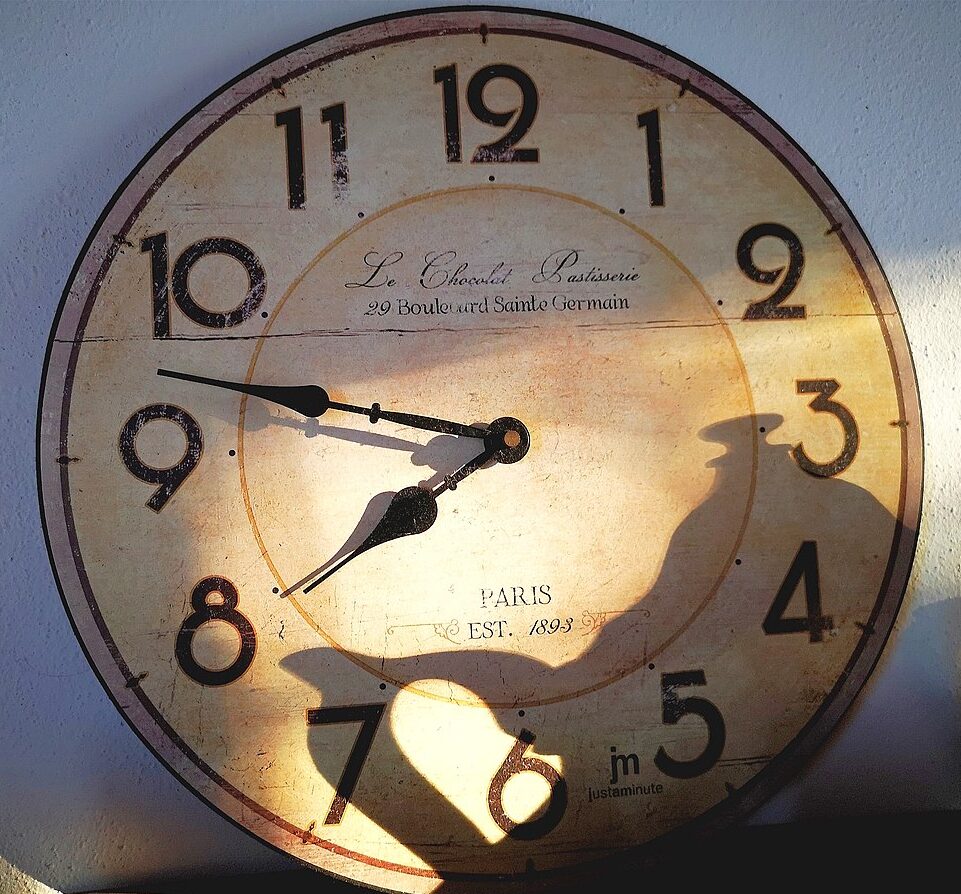
On Sunday, March 8, 2026, at 2:00 a.m., clocks across most of the United States will advance by one hour — directly to 3:00 a.m. The change is routine in name, but for the roughly 85 million Americans already experiencing chronic sleep deprivation, losing another hour carries real consequences. For Michiganders, those consequences are structurally deeper than for most Americans — rooted not just in a clock change, but in geography itself.
Michigan sits on the western edge of the Eastern Time Zone. That position means sunrise and sunset arrive measurably later than in eastern cities — a mismatch that exists all year, and one that the environmental and physiological load on the body is already carrying before DST adds another hour of displacement. Sleep specialists describe this as a “triple threat” — three compounding biological disruptions hitting at once.
Detroit vs. Boston: 47 Minutes of Missing Morning
When DST begins, the gap between biological wake signals becomes measurable — and consequential.
After the spring forward shift, Detroit’s sunrise is 47 minutes later than Boston’s — despite both cities being in the same time zone. That delay means Detroit’s body clocks are being asked to wake up before morning light signals are even available. Research on time-zone boundary health effects confirms this chronic light mismatch reduces average sleep duration on the western side.
The body’s internal clock — the circadian rhythm — does not reset with a clock hand. It responds to sunlight. When morning light arrives late but alarm clocks do not move, the brain receives mixed signals. Dr. Abdulghani Sankari of the Detroit Medical Center explains it plainly: the biological clock is powerful and “does not instantly shift” when society demands it to.
Prolonged morning darkness delays the body’s natural “wake signals,” while extended evening brightness suppresses melatonin production — the chemical messenger that prepares the body for sleep. The result, compounded over months, goes well beyond tiredness.
Three Forces Working Against Your Sleep
Click each card to understand how these three layers stack on top of each other for western-edge residents.
Living west of a time zone center permanently pushes sunrise and sunset later relative to social schedules.
When your biological clock is chronically out of sync with work, school, and social demands, the body never fully recovers.
An abrupt one-hour advancement that the brain cannot reconcile instantly — layered directly on top of the first two problems.
People on the western edge of a time zone receive morning sunlight 30–60 minutes later than counterparts to their east in the same zone — but face identical work and school start times. According to NIH-published circadian research, chronic misalignment between internal biological timing and social schedules is associated with persistently shorter sleep durations across western-edge populations.
Michigan is one of the clearest examples: Detroit’s position puts it significantly west within the Eastern Time Zone, while facing Boston’s sunrise schedule year-round.
✕ CLOSESocial jet lag is the chronic discrepancy between your biological clock and your social clock. It’s not about one bad night — it’s about the accumulated deficit from weeks and months of misaligned schedules. Scientists at the Johns Hopkins Bloomberg School of Public Health have linked social jet lag to elevated rates of cardiovascular disease, metabolic disorders, and mental health issues.
Researchers describe the western Michigan experience as having “eastern timezone social clocks with central timezone biological clocks” — a daily mismatch that never fully resolves.
✕ CLOSEDST adds an acute, abrupt one-hour disruption to an already strained system. Dr. Sankari notes that the brain’s biological clock is “very powerful” and does not shift instantly with the social clock. For someone already carrying a circadian debt from living on the western edge, this additional hour compounds the existing misalignment rather than simply adding to it linearly.
Dr. Nirupam Singh of Kaiser Permanente describes DST as making an existing public health crisis “worse” — and for adolescents, whose sleep phases are already naturally delayed, Dr. Sankari calls this situation a “triple threat.”
✕ CLOSEMeasured Health Consequences
Data from peer-reviewed studies on time-zone position and DST transitions. Hover over each bar to see the source.
Sources: Journal of Clinical Sleep Medicine (crash data); CDC (sleep deprivation estimates); NIH / PubMed Central (cancer risk); Stanford Medicine (stroke modeling); Johns Hopkins Bloomberg School of Public Health (public opinion).
The long-term health picture is particularly striking for communities already carrying environmental and physiological burdens. A study in Cancer Epidemiology, Biomarkers & Prevention found that for every five degrees of longitude moved westward within a time zone, certain cancer risks — including breast, prostate, and colorectal — increased by 3% to 4%. The proposed link is chronic suppression of melatonin due to late-evening light exposure, a factor directly worsened by western time-zone positioning.
Beyond cancer, data from county-level comparisons across time-zone borders shows higher rates of obesity, diabetes, and cardiovascular disease on the later-sunset side of time zone lines — the side where Michigan sits. Dr. Singh of Kaiser Permanente summarises the broader picture: “Sleep deprivation is a public health crisis, and this one day kind of makes it worse.”
Children and adolescents face a further layer of difficulty. Teenagers are biologically wired to fall asleep and wake later — a natural phase shift that school start times already work against. With DST, their internal clocks face displacement in both directions simultaneously. See also: research on biological aging and circadian factors.
From the Experts and the Community
These statements come from direct interviews, institutional positions, and specialist commentary.
When we spring forward, we abruptly advance the clock one hour. But the internal clock — the biological clock in our brain — is very powerful and does not instantly shift.
Sleep deprivation is a public health crisis, and this one day kind of makes it worse. Sleepy driving is drunk driving.
Childcare is really difficult to switch back and forth for the kids’ schedules. Picking one and sticking with it would be really great.
It’s been an ongoing topic. Nothing ever gets done, just like politics.
Your Spring Forward Survival Guide
Tap each step to mark it as done. These are physician-recommended strategies starting now — before Sunday.
Move your bedtime and wake time 10–15 minutes earlier each night starting today, so the shift on Sunday is less abrupt for your body clock.
✅After the shift, get outside in early morning sunlight as soon as possible. Light is the strongest signal the circadian system responds to — more powerful than sleep aids.
✅Remove screens from the bedroom. Consider scheduling Wi-Fi to turn off 60–90 minutes before bedtime for the whole household. Artificial blue light delays melatonin release.
✅Dr. Singh recommends 0.5mg to 1mg taken around 6–7 p.m. — a very low dose, earlier than most people expect, to help shift the clock forward gradually rather than abruptly.
✅Keep meals and wake times steady through the weekend. The circadian rhythm responds to feeding patterns as well as light — consistency across both accelerates re-alignment.
✅Caffeine consumed in the afternoon and evening extends the delay of melatonin onset, worsening the adjustment period. Try to keep caffeine to morning hours through the transition.
✅Daylight Saving Time: A Brief History
From a wartime energy measure to a contested public health debate.
Where Things Stand in 2026
Both medical institutions and lawmakers are weighing in — but they’re not always aligned on the solution.
Michigan Senate Bill 0126 (2025–2026)
Would eliminate Daylight Saving Time in Michigan in favor of year-round Standard Time. If passed, it may be placed before Michigan voters in a referendum on November 3, 2026.
NIST: Official DST Reference →U.S. Sunshine Protection Act (2022)
Passed the Senate unanimously in 2022 to make DST permanent. It has not passed the House of Representatives and remains stalled. Medical experts generally oppose permanent DST — they prefer permanent Standard Time instead.
View Federal Legislation →AASM & AMA Position: Permanent Standard Time
The American Academy of Sleep Medicine and the American Medical Association both advocate for permanent Standard Time — not permanent DST — arguing it better aligns with natural circadian biology.
Less Than 40% of Countries Now Use DST
Fewer than 40% of the world’s countries currently observe Daylight Saving Time, down from roughly 60% in earlier decades. Japan, India, China, and most of Africa do not observe DST. See the full picture at timeanddate.com.
DST was introduced partly as an energy conservation measure, but U.S. Department of Energy research has found that energy savings are minimal and inconsistent — and in some cases, increased air-conditioning use during extended evening hours offsets any gains. The original justification has weakened significantly in the decades since widespread electrification changed how Americans use energy.
Meanwhile, research on natural planetary rhythms and biological cycles in nature continues to reinforce a consistent finding: living systems — including human beings — organize themselves around solar cycles, not social conventions. Disrupting that alignment consistently has costs that accumulate over time.
For those in Michigan concerned about local environmental and public health intersections, the relationship between environmental stress and human health plays a broader role in the picture that sleep disruption sits within. Sleep deprivation and chronic circadian misalignment reduce the body’s resilience to other stressors — including air quality challenges that Michigan communities also face.