Spring Forward: Daylight Saving Time Arrives March 8, 2026
Your complete guide to the clock change, health impacts, and the ongoing debate over permanent time
What’s Happening This Sunday?
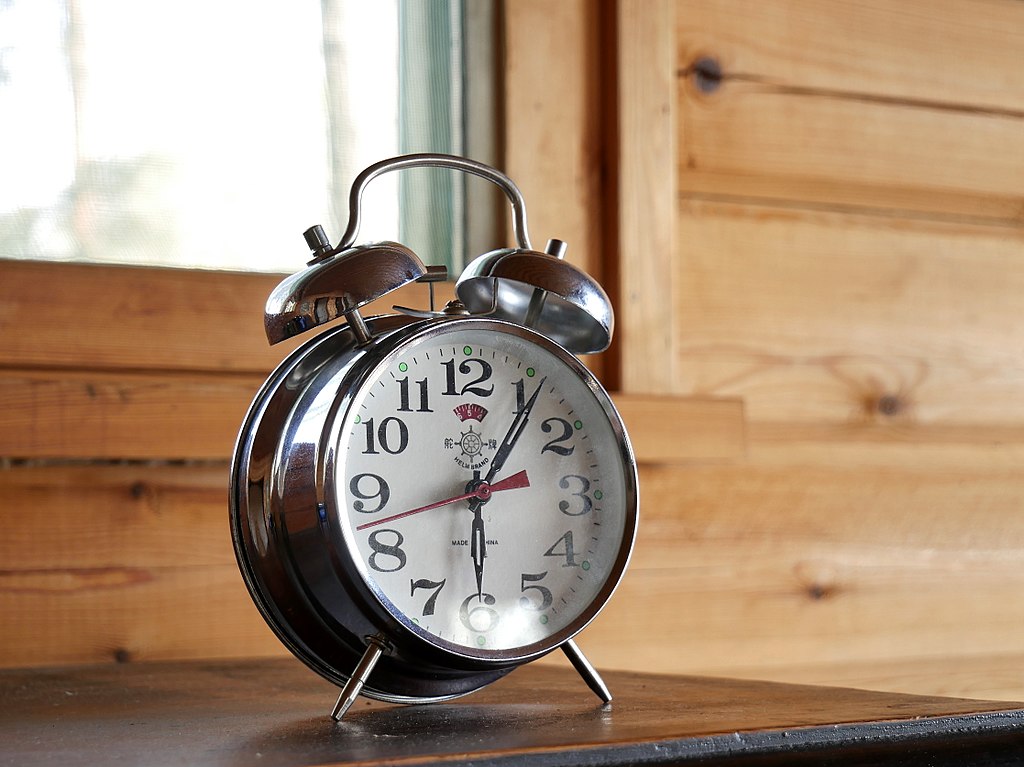
On Sunday, March 8, 2026, at 2:00 a.m., most Americans will need to set their clocks forward by one hour. This change—called Daylight Saving Time (DST)—shifts daylight from the morning to the evening hours. Sunrise and sunset will both occur about one hour later that day compared to March 7.
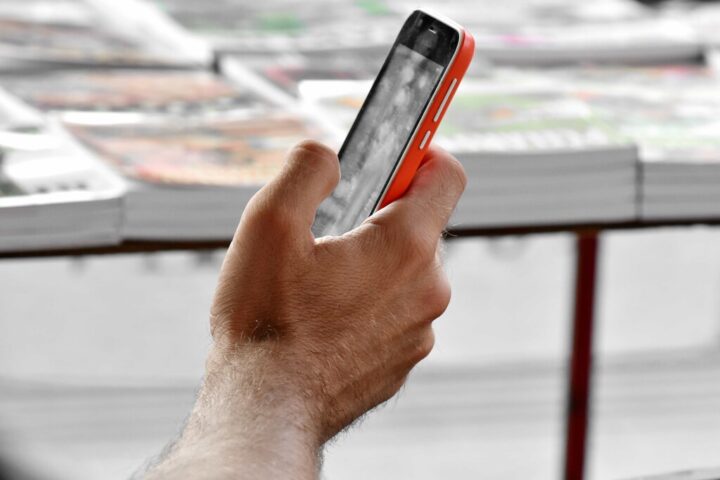
The process is straightforward for devices like phones and computers, which update automatically. But for clocks in your home, cars, and offices, you’ll need to adjust them manually. The shift creates a 23-hour day, and for many people, it means losing an hour of sleep on Sunday night.
This annual ritual affects sleep schedules, work routines, and daily activities. Understanding the specifics of how and when the change occurs can help you prepare. For more on how environmental and natural rhythms affect our health, see Nature’s Hidden Rhythm: Trees’ Pulsating Heartbeat Challenges Traditional Beliefs.
2026 Daylight Saving Timeline
Key dates and events that matter for your calendar
Sunday, March 8 — Clocks Spring Forward
At 2:00 a.m., clocks advance to 3:00 a.m. This marks the official start of Daylight Saving Time. Sunrise and sunset shift one hour later.
March 8 — Morning Darkness Returns
Sunrise in most U.S. locations will be around 7:00–7:30 a.m. instead of 6:00–6:30 a.m. Early morning routines may feel darker.
March 8 — Evening Light Extends
Sunset will occur around 6:30–7:00 p.m. instead of 5:30–6:00 p.m., providing more daylight for evening activities.
November 1, 2026 — Fall Back (DST Ends)
Clocks will fall back one hour at 2:00 a.m., returning to Standard Time. This is when you gain an hour of sleep.
Sleep Loss and Health Impact
The spring forward transition results in a loss of one hour of sleep on the night of March 7–8. While one hour may seem minor, research shows that this disruption has measurable effects on health and safety in the days following the change.
Sleep experts at the American Academy of Sleep Medicine have found that the spring transition correlates with increased rates of traffic accidents, heart attacks, and strokes. The disruption to your body’s internal clock—your circadian rhythm—can take several days to adjust to the new schedule.
For those interested in improving sleep quality and wellness, explore The Ultimate Guide to Sleep Tourism: From Soundproof Rooms to Smart Beds, which covers strategies for better rest and recovery.
Sleep and Health Effects After Spring DST
Research shows measurable increases in certain health risks in the days following clock advancement
Data sources: J. Fritz et al. PubMed (2020) — Large registry analysis of motor-vehicle crash risk. NIH/PMC peer-reviewed studies on circadian disruption health effects.
Why Morning Light Matters
The Science of Circadian Rhythms
Your body’s circadian rhythm is an internal clock regulated primarily by exposure to light. When daylight shifts later in the morning due to DST, your body receives less morning light, which can disrupt this natural cycle.
Sleep researchers emphasize that morning light is the most critical signal for setting your circadian rhythm. When sunrise occurs later, your body’s clock adjusts slower, and your sleep-wake cycle becomes misaligned with your actual schedule. This misalignment—called social jet lag—can persist for weeks.
For more context on how natural and biological rhythms affect our bodies, read Nature’s Hidden Rhythm: Trees’ Pulsating Heartbeat Challenges Traditional Beliefs, which explores the hidden rhythms found throughout nature.
Vulnerable Populations
Students and shift workers face particular challenges. Earlier school start times combined with later sunrise hours mean children experience darkness during morning commutes. This affects alertness, academic performance, and safety. For information on how air quality also impacts school-age children, see American Public Schools Face Higher Air Pollution.
State Legislation Tracker: The Push for Permanent Time
19 U.S. states have passed legislation calling for permanent Daylight Saving Time or Standard Time
Since 2018, multiple states have adopted laws proposing permanent time changes. Some prefer permanent DST (more evening light), while others advocate for permanent Standard Time (more morning light). Federal approval is required for any permanent shift. Check the National Conference of State Legislatures for the latest status.
The Great DST Debate: Which Time Is Better?
Despite public polls showing that roughly 1 in 10 Americans favor the current twice-yearly clock change, the debate over which time system to adopt has stalled. The issue divides along health, industry, and lifestyle lines.
The Case for Permanent Daylight Saving Time
Supporters argue that year-round DST provides more evening daylight for recreation, retail commerce, and outdoor activities. However, this would mean winter sunrises as late as 8:30–9:00 a.m. in some northern regions—a significant period of morning darkness that sleep experts view as problematic.
The Case for Permanent Standard Time
Sleep and chronobiology experts overwhelmingly support permanent Standard Time. Earlier sunrises align better with natural circadian rhythms, improving sleep quality, school performance, and traffic safety. However, this means earlier sunsets in summer—around 8:00 p.m. in many areas—which concerns industries like golf and outdoor recreation.
Political Obstacles
The U.S. Senate passed the Sunshine Protection Act of 2022, which would allow permanent DST, but the House has not brought a companion bill to a vote. Industries such as broadcasting (scheduling concerns) and golf (evening play hours) have influenced policymakers. Additionally, many state bills include provisions that would only take effect if neighboring states also make the change—a coordination problem that has stalled action.
For the latest on federal legislative efforts, consult Congress.gov’s Sunshine Protection Act tracking.
Energy and Economic Impacts
One argument often cited in favor of DST is energy savings. The U.S. Department of Energy studied this extensively. According to their 2008 report to Congress, the extension of DST in 2005 resulted in only modest electricity savings—approximately 0.03% of annual consumption, or about 1.3 trillion watt-hours saved.
Modern data shows that the original rationale for DST (energy conservation) has weakened. Today’s electric grid, heating and cooling systems, and lighting technology are very different from those of the 1970s when DST was expanded. The health costs associated with the clock change may outweigh any marginal energy benefits.
Frequently Asked Questions
The official term is “Daylight Saving Time” (singular). It’s a common mistake to say “Daylight Savings Time,” but the correct usage omits the ‘s.’ The system was adopted to “save” daylight, not “savings.”
No. Hawaii and most of Arizona do not observe DST. Some U.S. territories (like Puerto Rico and the U.S. Virgin Islands) also stay on Standard Time year-round. A few other states have considered opting out but have not yet done so.
In spring, clocks “spring forward” one hour, which subtracts an hour from the night. In fall, clocks “fall back” one hour, adding an hour to the night. The language is intuitive: “spring forward” = lose sleep, “fall back” = gain sleep.
Studies show minimal energy savings. The U.S. Department of Energy reported only ~0.03% annual electricity savings from the extension of DST. Modern HVAC systems, LED lighting, and electric vehicles have changed energy consumption patterns significantly since DST’s inception.
Experts recommend getting more morning light exposure and maintaining a consistent sleep schedule in the days following the change. Avoid sleeping in late on Sunday, as this delays circadian rhythm adjustment. If you’re an employer, allowing a flexible Monday schedule can help employees recover.
What’s Covered Here
This article outlined the 2026 Daylight Saving Time transition on March 8, including the specific timing of the clock change, documented health impacts from disrupted sleep, and the scientific basis for morning light’s role in circadian rhythm regulation. The article covered state-level legislative efforts toward permanent time systems, the ongoing policy debate between DST and Standard Time advocates, the minimal energy benefits of the current system, and resources for tracking federal legislative progress. For readers interested in broader health impacts from environmental and climate factors, KarmActive also covers Climate Change: How Hotter Weather Can Impact Mental Health and related wellness topics.