NASA has cleared its Nancy Grace Roman Space Telescope for launch after teams completed a flight readiness review on Wednesday. The telescope is scheduled to lift off on August 30 at 7:26
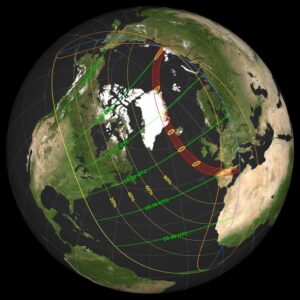
Asteroid Apophis passes within 31,000km of Earth on April 13, 2029—closer than geostationary satellites. Visible to naked eye from Europe, Africa, Asia. Multiple spacecraft
In a significant stride for space exploration, ESA’s Euclid mission has released its first full-color cosmic images. This marks a pivotal moment in our quest to understand the Universe’s dark secrets. Euclid,
NASA’s upcoming Nancy Grace Roman Space Telescope is set to revolutionize our understanding of the cosmos like never before. This cutting-edge observatory, designed to work alongside other NASA telescopes such as the
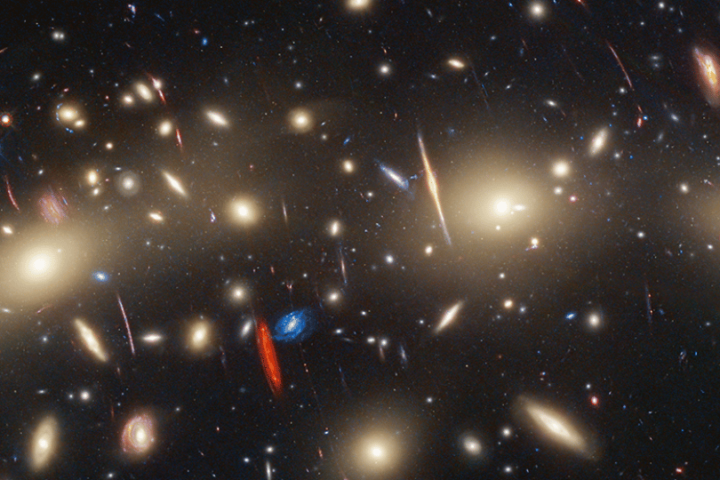
In a groundbreaking collaboration, NASA’s James Webb Space Telescope and the Hubble Space Telescope have teamed up to study the galaxy cluster MACS0416, situated approximately 4.3 billion light-years from Earth. This partnership
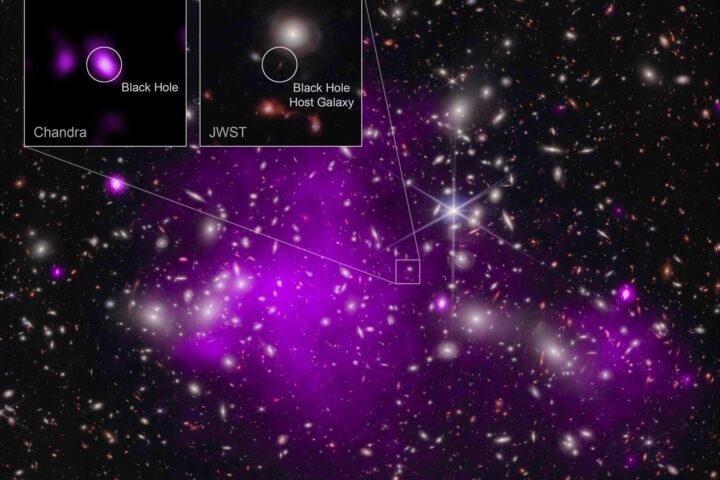
Astronomers have hit a cosmic jackpot, spotting the most distant black hole ever seen in X-rays. This isn’t just any black hole—it’s a growing giant in its infancy, with a mass that
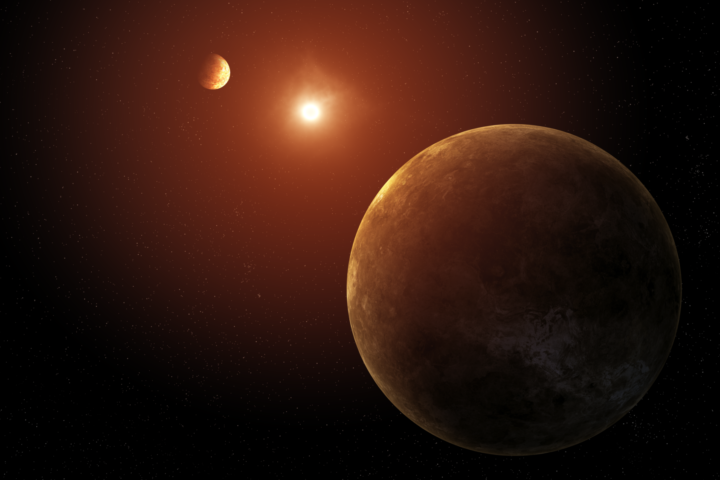
Alright, space enthusiasts, let’s zoom in on the latest cosmic scoop from the Kepler Space Telescope’s treasure chest. We’ve got a sizzling hot update: a system with not one, not two, but
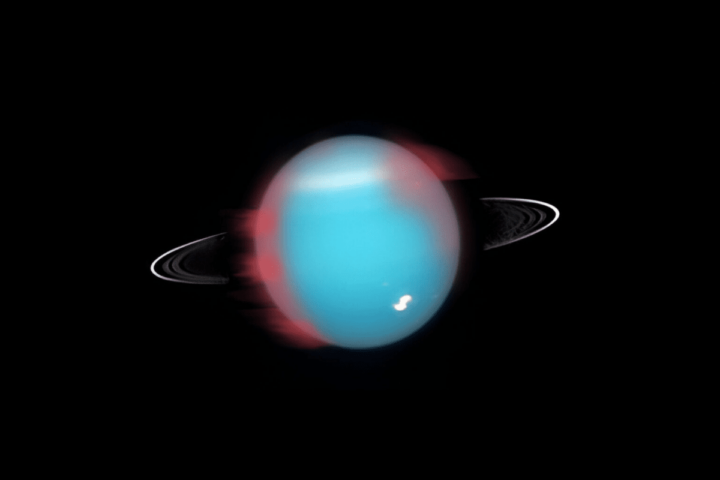
On 26 October 2023, the stargazers at the University of Leicester had a “Eureka!” moment – they spotted an infrared aurora on Uranus. This isn’t just any discovery; it could be the
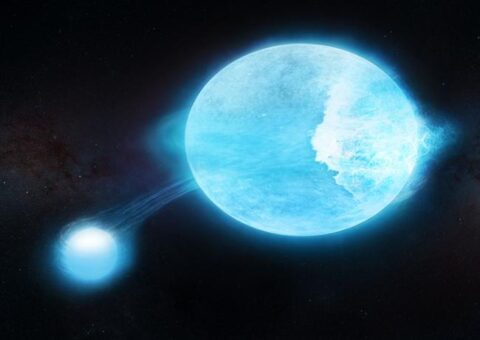
The celestial spectacle of MACHO 80.7443.1718, a binary star system located 169,000 light-years away in the Large Magellanic Cloud, unveils a dramatic cosmic play where colossal waves, three times the height of
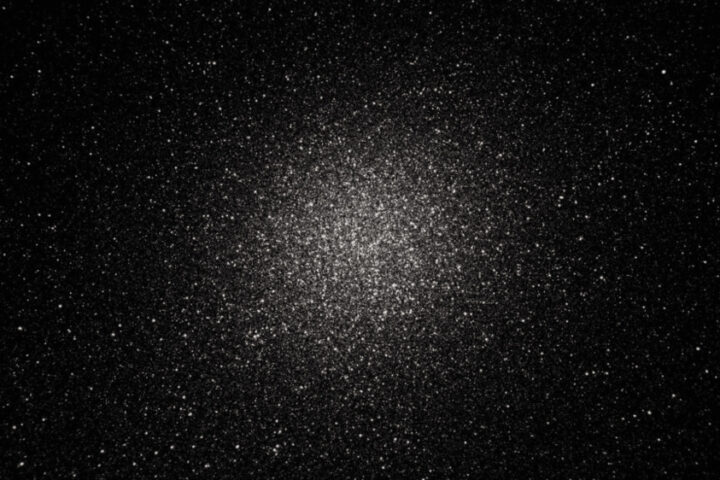
In a spectacular revelation on October 10, 2023, Gaia, ESA’s vigilant eye in the sky, brought forth a cosmic spectacle, spotlighting over half a million new stars in Omega Centauri, the largest
A recent encounter with a flash of brilliant blue light has sparked a flurry of astronomical chatter. The cause? A Luminous Fast Blue Optical Transient (LFBOT), known to the space community as
Mercury’s persistent contraction, now documented in Nature Geoscience. The diminutive celestial body began its contraction approximately 3 billion years ago, with models and observations concurring that Mercury’s radius may have diminished by



 Govind Tekale
 Karmactive Team
 Rahul Somvanshi