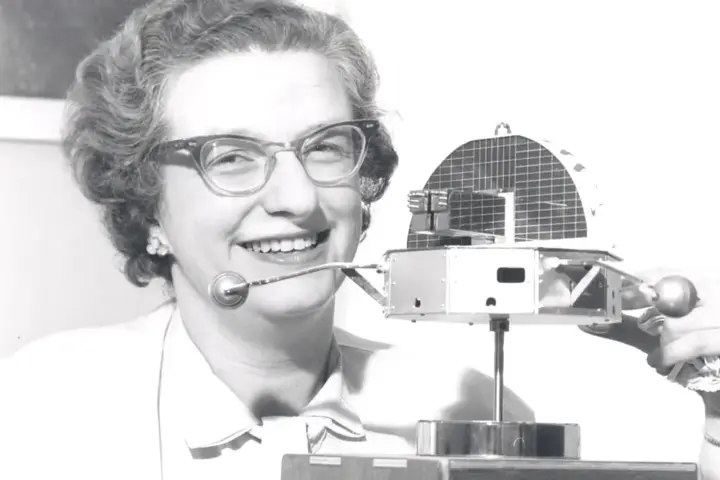
NASA has cleared its Nancy Grace Roman Space Telescope for launch after teams completed a flight readiness review on Wednesday. The telescope is scheduled to lift off on August 30 at 7:26
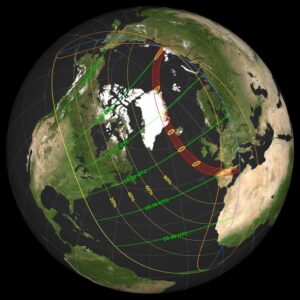
Asteroid Apophis passes within 31,000km of Earth on April 13, 2029—closer than geostationary satellites. Visible to naked eye from Europe, Africa, Asia. Multiple spacecraft
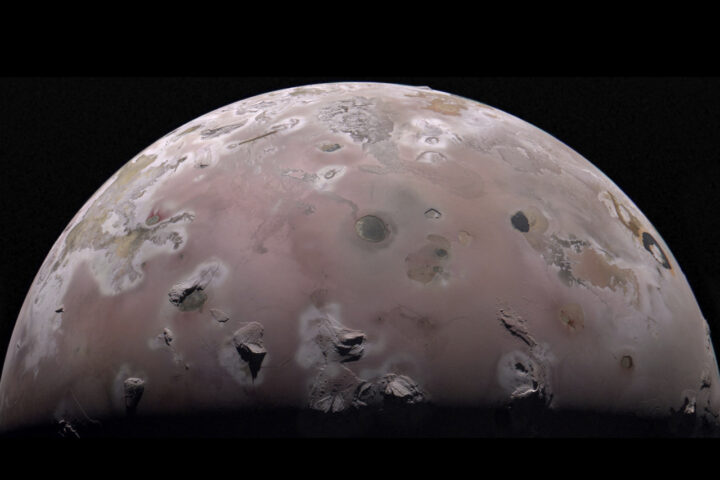
NASA’s Juno spacecraft data, combined with historical observations, indicates the absence of a shallow global magma ocean beneath Io’s surface. The findings, published in Nature on December 12, 2024, reshape scientific understanding
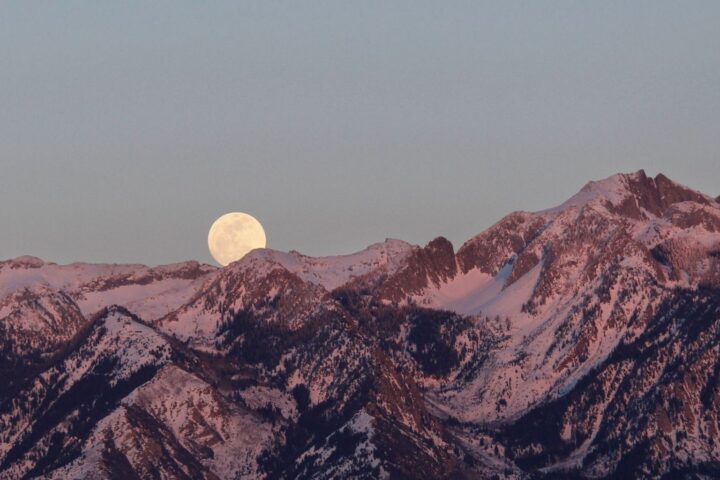
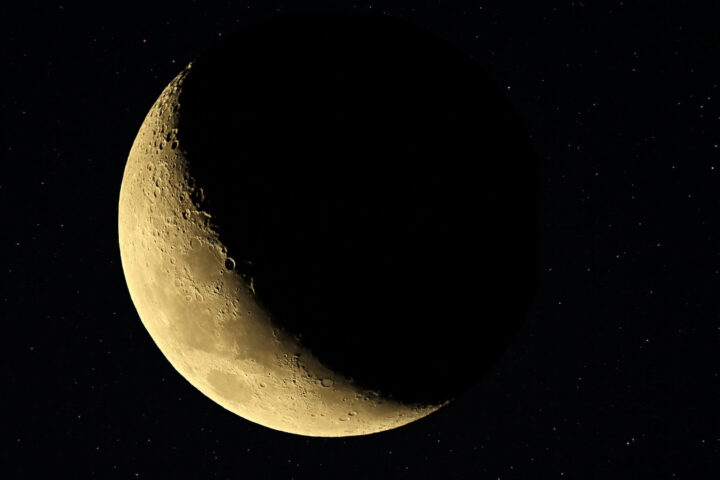
The December full moon, known traditionally as the Cold Moon, will emerge on December 15, 2024, at 4:02 a.m. EST. This celestial event coincides with a rare “major lunar standstill,” occurring once
Scientists have identified the main asteroid belt, between Mars and Jupiter, as the primary source of meteorites that reach Earth. Now, an international study reveals that three families of young asteroids, Karin,
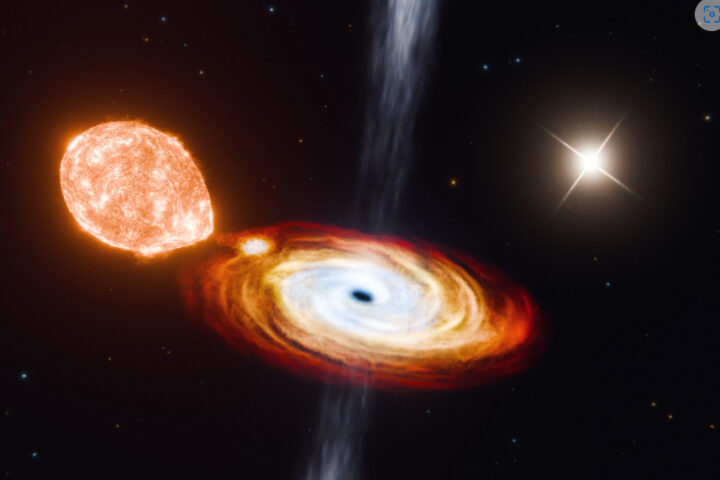
In an unprecedented cosmic discovery, astronomers have identified the first-known “black hole triple” system, consisting of a central black hole orbited by two stars at vastly different distances. The groundbreaking finding, published
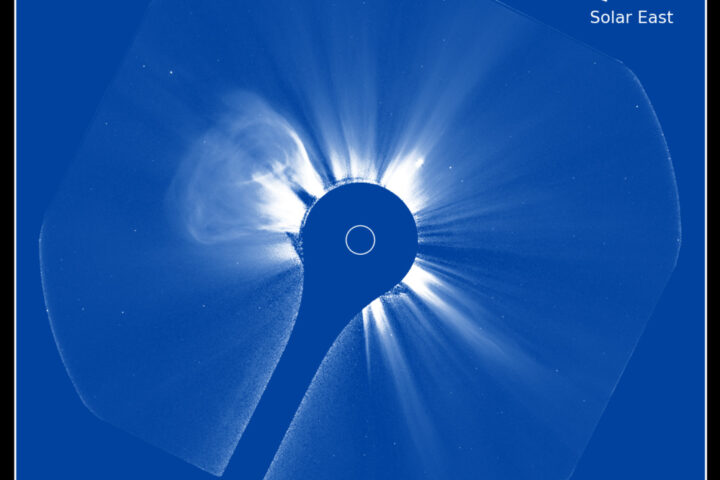
NOAA’s release of imagery from the Compact Coronagraph-1 (CCOR-1) on the GOES-19 satellite marks an unprecedented advancement in space weather monitoring. Developed to detect and monitor coronal mass ejections (CMEs), CCOR-1 is
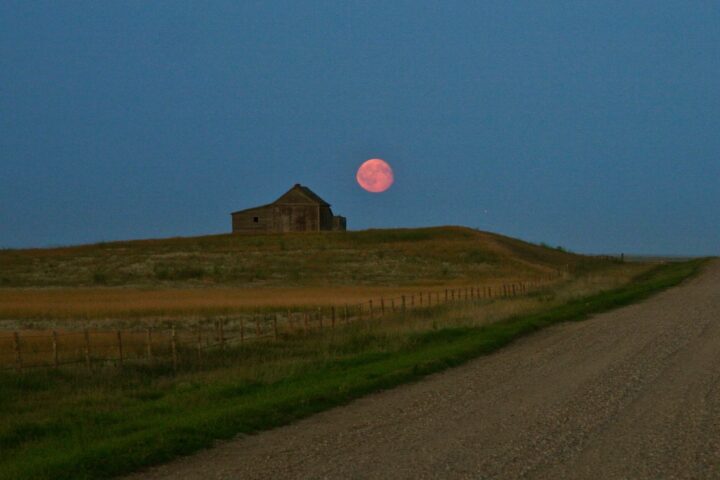
Table of Content What is a Harvest Supermoon? The Harvest Supermoon is a full moon that occurs when the Earth’s natural satellite is at its closest point to the planet during its
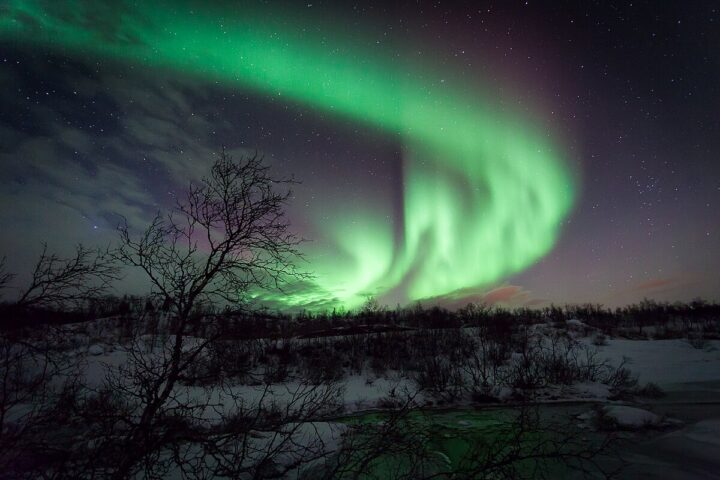
Recent increases in solar activity have led to a surge in northern lights sightings, captivating skywatchers across the northern latitudes. The Sun’s current active phase is driving more frequent and intense auroral
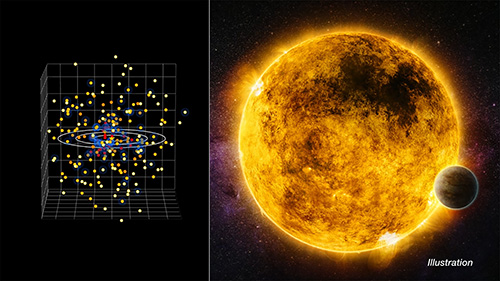
The Chandra X-ray Observatory of NASA and ESA’s XMM-Newton have observed stars that are close enough to be prime targets in the search for direct imaging of planets using future telescopes. Researchers
Eternity is described as long as the Sun and the Moon are in the sky. On Sunday, we thought about the Sun. On Monday, which is moon-day, let us find out facts
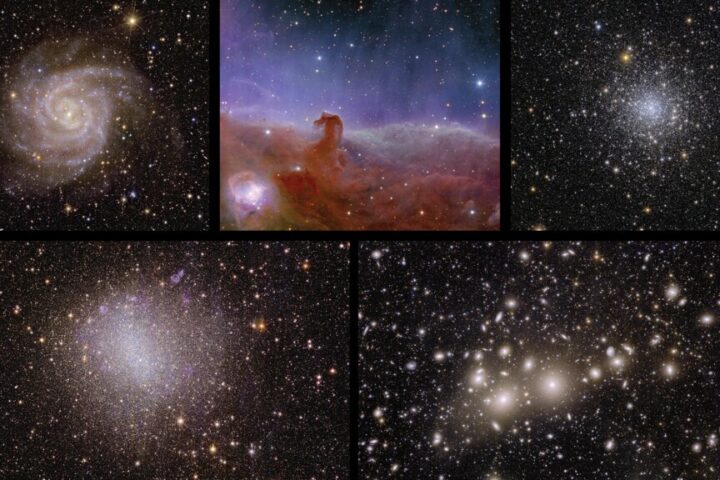
One month after its launch, the European space telescope Euclid, soon to be positioned 1.5 million kilometers from Earth, opened its eye to capture its first images. These test images, whose publication


 Karmactive Team
 Karmactive Staff
 Rahul Somvanshi
 Govind Tekale
 Tejal Somvanshi