Karmactive Team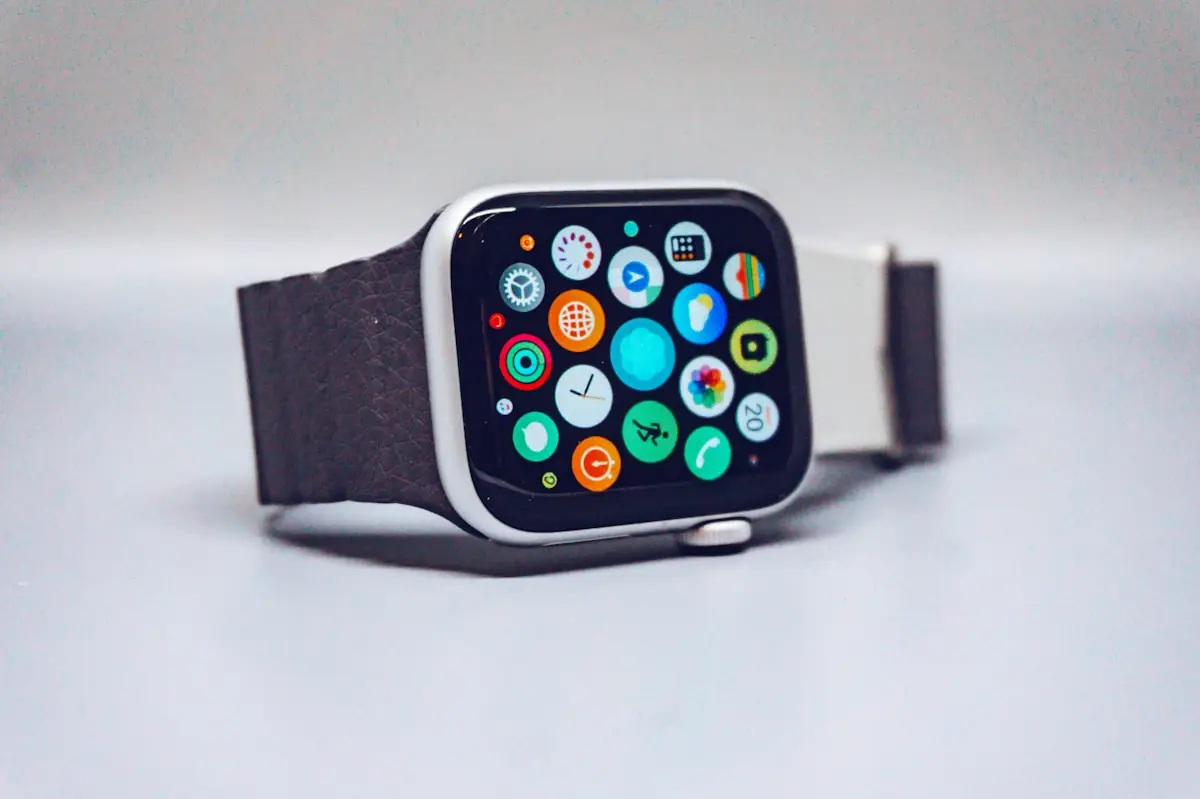
Wearable Technology has claimed the #1 spot in ACSM’s Worldwide Fitness Trends survey for 2026 — the tenth time it has held the top rank since 2016. But the bigger story in this year’s report, the 20th annual edition published in the November/December 2025 issue of ACSM’s Health & Fitness Journal (released October 22, 2025), is the jump of Exercise for Mental Health from #8 to #6, and the persistent gap between strength training’s popularity and actual participation.
The survey, based on responses from 2,000 clinicians, researchers, and exercise professionals, was led by Cayla R. McAvoy, PhD, ACSM-certified exercise physiologist. “We’ve seen dramatic changes in fitness trends over the last two decades,” McAvoy said, “and this milestone gives us a long-term perspective of how the field has evolved and impacted health and fitness” (https://acsm.org/top-fitness-trends-2026#:~:text=We%27ve%20seen%20dramatic%20changes%20in%20fitness%20trends%20over%20the%20last%20two%20decades).
## Wearables: From Step Counts to Medical-Grade Sensors
Wearable Technology’s grip on the #1 position has been remarkably stable — it has ranked #1 in all but two years since 2016 (falling to #3 in 2018 and #2 in 2021). What’s changed is what wearables can do. Advanced biosensors now capture fall or crash detection, heart rhythm, blood pressure, blood glucose, and skin temperature — metrics that go far beyond the step counts and heart rate monitors that defined the category a decade ago.
“Nearly half of U.S. adults now own a fitness tracker or smartwatch, so the question is no longer whether people will use wearables. What matters now is teaching people how to use them in ways that best support their health and behavior change,” McAvoy said. Roughly 36% to 44% of adults own wearable technology, and the global market is projected to reach $186 billion by 2030 (https://acsm.org/top-fitness-trends-2026#:~:text=Nearly%20half%20of%20U.S.%20adults%20now%20own%20a%20fitness%20tracker%20or%20smartwatch).
Sarah M. Camhi, PhD, FACSM, ACSM-EP, EIM, offered a necessary caveat: “Wearable technology is a powerful tool to track fitness and health. While some data is useful and accurate, some metrics may be experimental or unreliable. Data is often useful for tracking patterns or changes over time, and certified exercise professionals can provide support on how to interpret the information.”
Wearable Technology held a top-three rank in nearly all professions and age groups surveyed, reflecting its cross-demographic reach.
## Mental Health: The Year’s Biggest Shift
Exercise for Mental Health jumped two spots — from #8 in both 2024 and 2025 to #6 in 2026. It placed in the top three for Owners, Program Managers, and Athletic Trainers, reflecting broad recognition of mental health as a fitness priority across diverse professions (https://acsm.org/top-fitness-trends-2026#:~:text=Each%20year%20in%20the%20U.S.%2C%20more%20than%20one%20in%20five%20adults%20report%20experiencing%20a%20mental%20health%20condition).
The numbers behind the ranking are striking: one national survey found that 78% of exercisers cite mental or emotional well-being as their top reason for working out, ahead of physical fitness or appearance goals. Each year in the U.S., more than one in five adults report experiencing a mental health condition, reinforcing the importance of movement-based strategies that support emotional well-being.
“Exercise is now being embraced as much for the mind as for the body, serving as a go-to strategy for stress relief, mood, and resilience. National surveys show that mental well-being is the top reason people choose to exercise, ranking ahead of fitness or appearance,” McAvoy said (https://acsm.org/top-fitness-trends-2026#:~:text=Exercise%20is%20now%20being%20embraced%20as%20much%20for%20the%20mind%20as%20for%20the%20body).
A’Naja M. Newsome, PhD, ACSM-CEP, EIM, added: “Regular exercise is one of the most effective strategies we have to improve mental health, build emotional resilience, and enhance overall well-being. Its impact could rival some traditional clinical interventions and is certainly a strong supportive intervention. This holds true not only for the general populations, but also for vulnerable groups such as pregnant women, youth, and older adults” (https://acsm.org/top-fitness-trends-2026#:~:text=Regular%20exercise%20is%20one%20of%20the%20most%20effective%20strategies%20we%20have%20to%20improve%20mental%20health).
The trend’s practical application includes resistance training, which reduces depressive symptoms, and low-intensity, mindfulness-based formats such as yoga for stress reduction and emotional well-being.
This surge didn’t happen in isolation. The 20-year trend timeline shows a clear arc: childhood obesity focus in the early 2000s, online training during the COVID pandemic, addressing mental health, the rise of fitness technology, medically integrated programs, and now active aging. Exercise for mental health’s jump to #6 represents the maturation of a conversation that’s been building for years.
## Strength Training: Popular But Under-Participated
Traditional Strength Training ranked #7 — but the participation numbers tell a different story than the ranking suggests. Fewer than 30% of U.S. adults meet the recommended guidelines for muscle-strengthening activity, despite strength training’s well-documented benefits for bone density, metabolic health, and mobility across the lifespan (https://acsm.org/top-fitness-trends-2026#:~:text=Despite%20its%20benefits%2C%20fewer%20than%2030%25%20of%20U.S.%20adults%20meet%20the%20recommended%20guidelines%20for%20muscle-strengthening%20activity).
“Strength training has been thoroughly researched and has gained significant popularity as one of the most effective fitness strategies due to its proven effectiveness, safety, and appeal to individuals of all ages and fitness levels,” said Alexios Batrakoulis, PhD, FACSM, ACSM-EP, ACSM-CPT (https://acsm.org/top-fitness-trends-2026#:~:text=Strength%20training%20has%20been%20thoroughly%20researched%20and%20has%20gained%20significant%20popularity).
The gap between popularity and participation is the story here. Strength training is surging in cultural visibility — it’s a ranked trend, it’s widely researched, and it’s broadly appealing — but fewer than three in ten adults are doing enough of it. The ACSM report suggests exercise professionals can address this by offering progressive, inclusive, accessible programs and emphasizing long-term health benefits and functional outcomes rather than aesthetics or performance. Strength training can be integrated into group classes, low-cost programs, or hybrid formats that reduce intimidation and promote consistency.
## The Rest of the Top 10
Fitness Programs for Older Adults ranked #2, reflecting the demographic reality that 73 million baby boomers will all be over age 65 by 2030. According to the 2023 IHRSA U.S. Health & Fitness Consumer Report, adults 65 and older now visit gyms and studios more often than any other age group. Programs labeled “low intensity,” “functional,” or “active aging” consistently attract more participants than those called “senior fitness” — a semantic shift that reflects destigmatization.
Exercise for Weight Management ranked #3 — its highest position to date. The trend was renamed from “Exercise for Weight Loss” to reflect a broader range of goals including weight loss, maintenance, and gain. Obesity affects 42.4% of U.S. adults, while approximately 49% of those with obesity report actively trying to manage their weight. The trend now includes increases in the use of obesity management medications such as GLP-1 RA. “The efficacy of exercise in combating the obesity epidemic is well-documented. Exercise should be considered a fundamental component of the treatment and management strategy,” Batrakoulis said (https://acsm.org/top-fitness-trends-2026#:~:text=The%20efficacy%20of%20exercise%20in%20combating%20the%20obesity%20epidemic%20is%20well-documented).
Mobile Exercise Apps ranked #4, down from #2 in 2025. In 2024, more than 345 million people used fitness apps, generating more than 850 million downloads. App users tend to be younger, female, college-educated, and living in urban areas, with lower adoption observed among older adults and individuals with limited digital literacy.
Balance, Flow, and Core Strength ranked #5. Participation in yoga, Pilates, and mobility-focused classes rose by 27% between 2022 and 2024, driven largely by suburban boutique studios. The trend has cross-generational appeal, ranking highly among Personal Trainers and among respondents under age 25 and over 55. “Pilates, yoga, and core training are resonating across generations. Their popularity reflects a broader industry shift toward longevity, holistic health, and mind-body integration,” McAvoy said.
Data-Driven Technology ranked #8, down one spot from 2025. More than 70% of wearable users have reported applying their output data to inform exercise or recovery strategies. A 2023 study found that athletes who used heart rate variability-guided training improved performance and reduced injury rates compared to those using fixed programming.
Adult Recreation and Sports Clubs made their first appearance in the top 20 in 2026, influenced by the popularity of pickleball and a desire for social connection while exercising. “Pickleball, running clubs and adult leagues are bringing people back to exercise in fun, social ways. These activities are about connection as much as they are about fitness,” McAvoy said (https://acsm.org/top-fitness-trends-2026#:~:text=Pickleball%2C%20running%20clubs%20and%20adult%20leagues%20are%20bringing%20people%20back%20to%20exercise%20in%20fun%2C%20social%20ways).
Functional Fitness Training rounded out the top 10 at #10, up from #12 in 2025. The “fitness is function” movement includes strength, power, mobility, and endurance movements designed to improve physical performance in real-world activities, appropriate for youth, adults, older adults, and athletic populations alike.
## The 20-Year Perspective
The 20th anniversary edition introduced practical applications for each of the 20 trends on the list, addressing practice, programming, or policy. The report also notes that fitness terminology has evolved: “Exercise for Weight Loss” was renamed “Exercise for Weight Management” to reflect a broader range of goals.
“Over the years, we’ve seen fitness trends tied to childhood obesity, online training during the COVID pandemic, addressing mental health, the rise of fitness technology, medically integrated programs and active aging,” McAvoy said.
The 2026 survey suggests fitness is becoming medically integrated in ways that go beyond the gym. Exercise for mental health (#6) positions movement as a clinical-adjacent tool for emotional well-being. Exercise for weight management (#3) now intersects with pharmaceutical approaches like GLP-1 medications. Data-driven technology (#8) is being used for injury prevention and recovery optimization. Wearable technology (#1) is capturing medical-grade biomarkers.
The 2026 ACSM Worldwide Fitness Trends survey was published in the November/December 2025 issue of ACSM’s Health & Fitness Journal. The full list of top 20 trends and the peer-reviewed article are available from the ACSM. For those looking to put these trends into practice, our guide to [strength training routines](https://www.karmactive.com/crossfit-open-26-1-wall-ball-pyramid-workout-2026/) offers a starting point for building the muscle-strengthening habits that fewer than 30% of U.S. adults currently maintain.
Sources: ACSM.org (top-fitness-trends-2026/), ACSM’s Health & Fitness Journal (November/December 2025 issue), survey of 2,000 clinicians, researchers, and exercise professionals, led by Cayla R. McAvoy, PhD, ACSM-EP, EIM.