Sunita Somvanshi
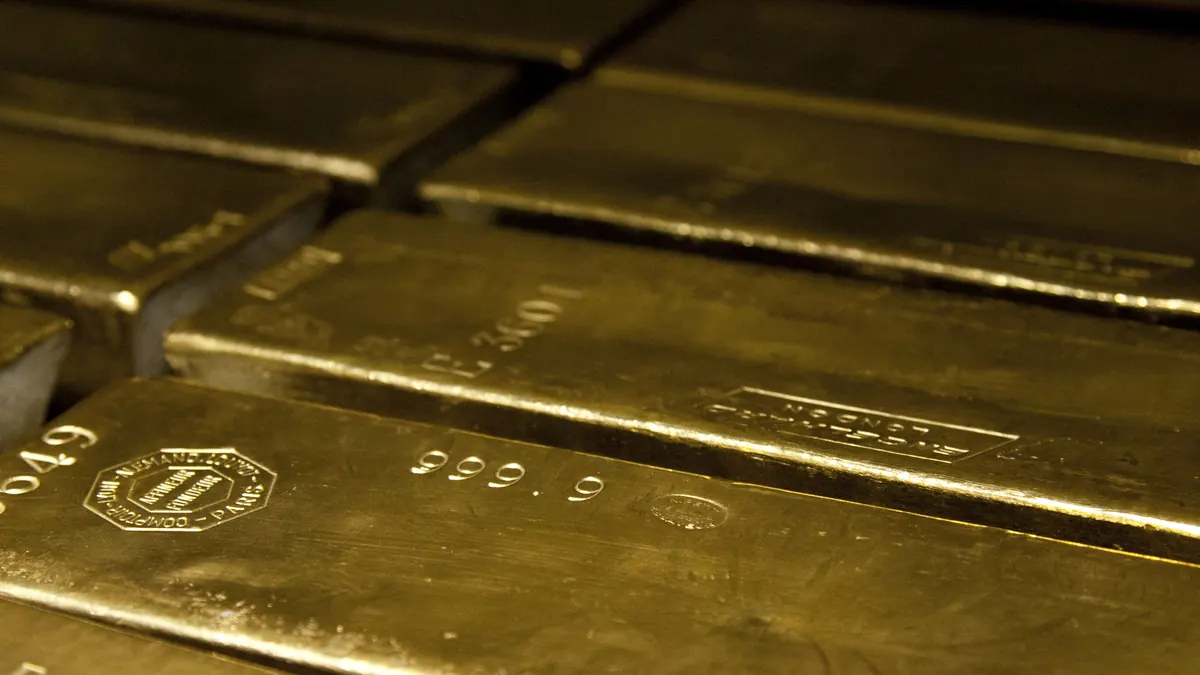
On Friday, November 20, spot gold fell 1% to $3,585.92 an ounce by 1113 GMT, after touching $3,513.54 earlier in the session, its lowest level since September 4, 2025. Reuters reported the move as the metal headed for its steepest weekly decline in eight months. Spot silver was reported at $42.58 an ounce, down 0.4%.
Gold’s decline came amid a firm U.S. dollar and market expectations of tighter Federal Reserve policy. Reuters reported that the dollar and Treasury yields were supporting the pressure on bullion. The U.S. Treasury’s daily par-yield series recorded the 10-year rate at 5.04% on November 19, after 5.07% on November 18. The official data confirms that the 10-year rate was above 5% on both dates.
The November 20 Reuters report said gold had fallen about 8% during the week, its steepest weekly decline in eight months. On November 19, December U.S. gold futures fell 0.4% to $3,726.50 an ounce. That futures quote is a separate measure from the spot price and the earlier intraday low.
These are spot-market prices per troy ounce, not retail quotes. Gold’s $3,513.54 figure was an intraday low, while $3,585.92 was its price at 1113 GMT. Readers comparing prices should match both the market and the time shown. The difference matters for anyone checking a local quote: the global spot price and the final retail bill are not the same number, and Karmactive has set out how Indian retail gold rates and MCX moves differ from the spot market.
Why precious metals came under pressure
The Federal Reserve’s October meeting minutes, reported by the Associated Press on November 18, said nearly all officials expected a quarter-point rate increase in December. Higher bond yields can make interest-paying assets more attractive relative to gold, which does not pay interest. A stronger dollar can also make dollar-priced bullion more expensive for buyers using other currencies.
Silver faced additional pressure. Kitco’s November 19 market report described heavier selling in silver amid weakness in industrial commodities and concerns about global growth. Silver has industrial uses as well as investment demand, so expectations for manufacturing activity can affect it alongside currency and interest-rate moves.
Why did gold fall to a 14-month low while silver also declined? Reuters reported that a firm dollar and expectations of tighter U.S. monetary policy weighed on gold. Treasury yields were above 5% during the period. Silver also fell, with market reporting citing weakness in industrial commodities and concerns about global growth.
Reuters said markets were pricing in about a 99% chance of a quarter-point U.S. rate increase in December. That was a market probability at the time of its report, not a Federal Reserve decision. The rate-hike odds have moved before, and Karmactive has tracked how Fed rate-hike odds shifted through the autumn.
The selloff did not happen in isolation. A broader move away from growth-sensitive assets was under way at the same time, and Karmactive’s earlier coverage of the stock market decline as inflation persists describes the same pressure on risk assets. Gold had already posted a losing week once this autumn, and the earlier weekly loss tied to oil-driven inflation concerns shows how commodity and rate moves travel together. The last time gold broke below the $4,000 level, the trigger was a similar combination of oil-led inflation and Fed hike bets, as Karmactive reported when gold fell below $4,000 and GLD set a 52-week low.