JPMorgan, Visa and Mastercard Report Cyber Incidents Involving Third-Party Providers

November 20, 2026
2 mins read
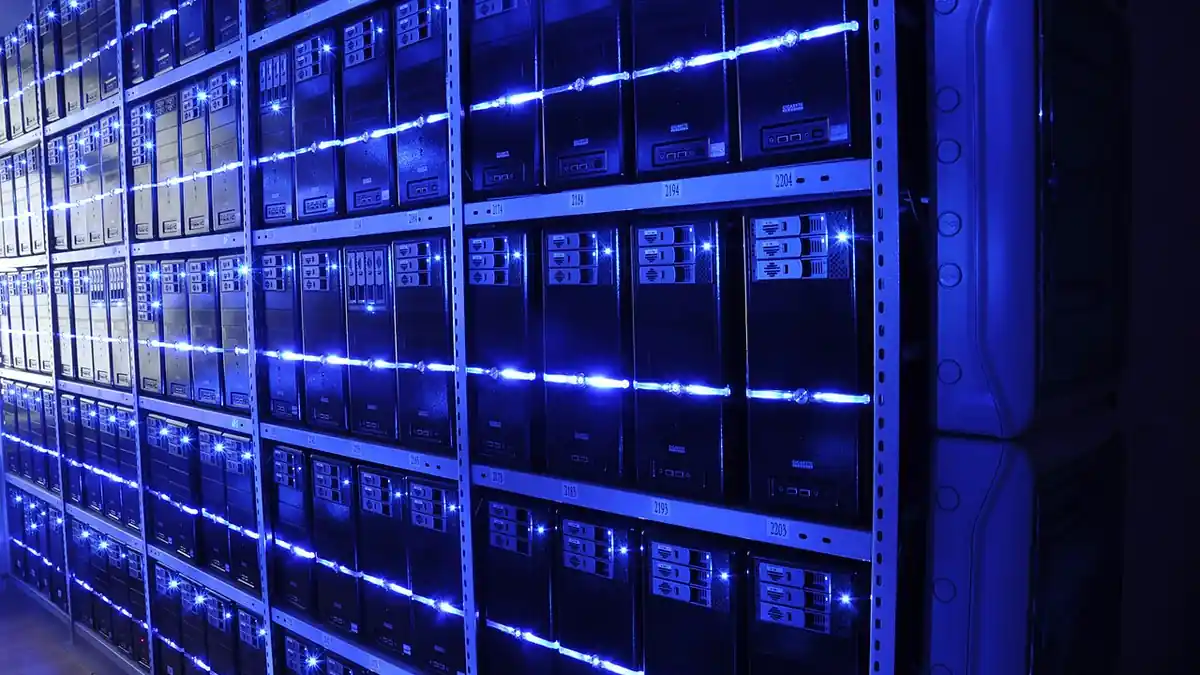
Rows of server racks lit by blue indicator lights in a data center
JPMorgan Chase, Visa and Mastercard each reported a cyber incident involving a third-party provider and said their payment networks were not affected. (Photo: Wikimedia Commons / CC BY-SA 3.0)

Customers concerned about reports involving JPMorgan Chase, Visa and Mastercard should distinguish the companies’ separate disclosures. Each company described an incident involving a third-party provider. The available reports do not establish that one vendor or one breach affected all three.

JPMorgan said attackers may have accessed marketing data held by third-party service providers, including some customer names and email addresses. The bank said it would contact affected customers. Visa said its incident involved a third-party service provider in the Asia-Pacific region and that Visa’s own systems were not involved. Mastercard reported exposure of a limited number of email addresses connected with a specific benefits programme.

The companies said their payment networks or systems were not affected and that payment information was not exposed. These are company statements about their own systems, not an independent audit of every vendor or dataset. Reuters reported that the extortion group known as n0n claimed responsibility and published data, but the authenticity and scope of the leaked records were not independently established.

For cardholders, the companies’ statements do not call for blanket card cancellation. Follow any direct notice from your bank, review account activity and be cautious of messages asking for passwords, card details or one-time codes. Unexpected “fraud alert” links can be used to steal information, even when the original incident involved only contact data.

Reports that more than 16,000 JPMorgan customer email addresses and 124 employee addresses appeared in the published material should not be described as a verified count of affected customers. Neither should the incidents be presented as a compromise of card numbers or PINs. The precise exposure remains tied to company investigations and the unverified dataset.

Sunita Somvanshi

With over two decades of dedicated service in the state environmental ministry, this seasoned professional has cultivated a discerning perspective on the intricate interplay between environmental considerations and diverse industries. Sunita is armed with a keen eye for pivotal details, her extensive experience uniquely positions her to offer insightful commentary on topics ranging from business sustainability and global trade's environmental impact to fostering partnerships, optimizing freight and transport for ecological efficiency, and delving into the realms of thermal management, logistics, carbon credits, and energy transition. Through her writing, she not only imparts valuable knowledge but also provides a nuanced understanding of how businesses can harmonize with environmental imperatives, making her a crucial voice in the discourse on sustainable practices and the future of industry.

Leave a Reply

Your email address will not be published.

A hippopotamus in water at Barcelona Zoo
Previous Story

Fiona the Hippo Dies at Nine After Swallowing Visitor’s Knitted Hat at Cincinnati Zoo

A flooded residential street with houses and trees partly submerged
Next Story

Brevard County Opens Flood Shelter as Florida Faces High-Risk Rainfall

Latest from Business

Don't Miss

A traveller with luggage at an automated airport gate, representative of identity verification that a mobile driver's license is designed to support online

22 States Issue Mobile Driver’s Licenses as NIST Draft Closes Online Gap

Twenty-two U.S. states and territories now issue mobile