Sunita Somvanshi
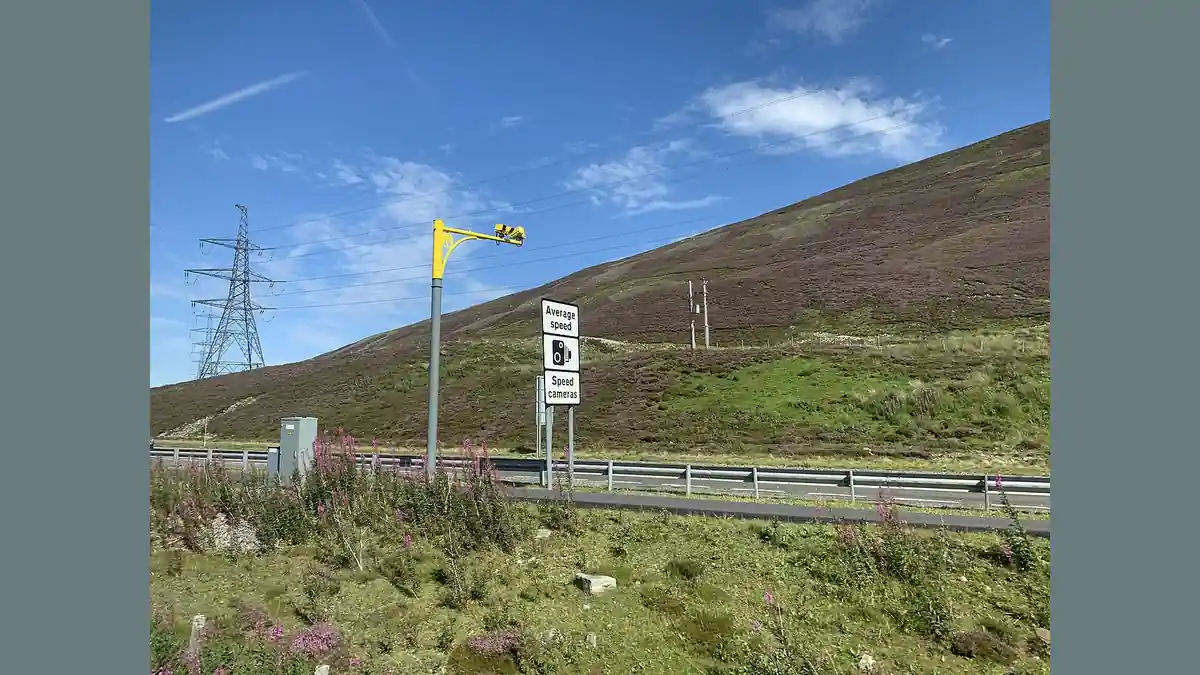
Got a speeding notice or points from a variable speed limit camera? You may have been caught by a fault. National Highways has admitted that some cameras recorded drivers as speeding after the limit on the overhead sign had changed. Drivers who were wrongly fined have been reimbursed. You do not need to apply. Here is what it means for you.
National Highways speed camera faults affected 154 of its 400 HADECS3X variable speed limit cameras. A software fault caused at least 2,650 wrongful activations between 2021 and 2025. That is fewer than 0.1% of all activations, or fewer than two a day. The 154 cameras cover 10% of England’s strategic road network. The cameras are used on about 0.2% of all roads in England.
The cause was a delay between the gantry signs and the cameras. A 17.33-second programmed delay was identified. The problem was first flagged in January 2025. A driver on the M5 in the Avon and Somerset area challenged a notice of intended prosecution. The driver supplied dashcam evidence showing a 50mph gantry sign.
For motorists, the practical result is simple. Everyone identified and contacted has been offered redress. Wrongly fined drivers have been reimbursed. A smart motorway speeding fine refund does not need a claim form from you. The Home Office has also revoked the HADECS3X camera type approval. That means camera data can no longer be used as evidence in prosecutions. Keep your own records tidy, including your licence details under the DVLA licence rules.
How the fault went unfixed
National Highways did not notify the 22 relevant police forces until 3 November. That was about 10 months after the problem was first flagged.
An independent review led by Tracey Westall OBE, a Department for Transport Non-Executive Director, was published on 17 November 2026. It identified 10 missed opportunities to escalate and fix the issue.
The review also modelled a second potential issue at no more than 0.1% probability. There is no real-world evidence that it affected enforcement.
The HADECS3X camera type approval revoked by the Home Office ends the system’s use as evidence. National Highways has ended its contract with the supplier, Verra Mobility. Roads minister Justin Madders said: “We can’t take chances with this.”
There is a wider cost. Around a million speeding events may go unpunished while the cameras are out of action. Variable speed limits smooth traffic flow and cut stop-start emissions. A dark camera network weakens enforcement of those limits. Records matter in disputes like this one. Dashcam footage started the whole case, and digital driving licences are now being rolled out to millions of drivers.
Do drivers need to apply to get their speed camera fine refunded? No. Police forces are contacting affected drivers directly, and refunds are being issued automatically. If you were wrongly fined, you will be contacted.
In short, a software fault hit 154 of 400 cameras and led to at least 2,650 wrongful activations. The Home Office has revoked type approval. National Highways has ended its supplier contract. Affected drivers are being contacted and reimbursed without applying. Enforcement on these roads is paused while the cameras are out of use.