Exmouth Blue Brook Incident: How to Submit to the Environment Agency Survey Before Dec. 18
Exmouth Blue Brook Incident: How to Submit to the Environment Agency Survey Before Dec. 18
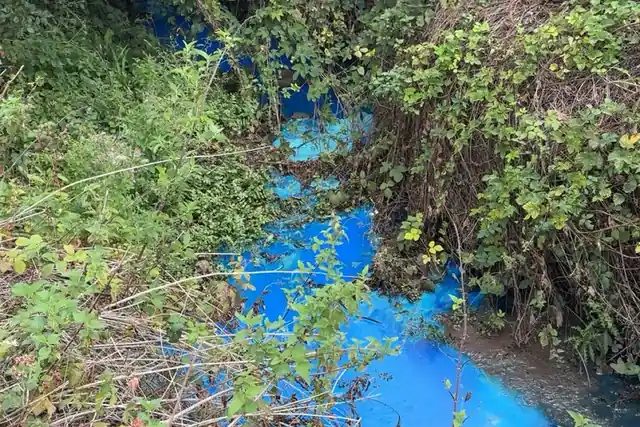
If you swam, surfed, ran a business or lost bookings at Exmouth beach this September, the Environment Agency wants to hear from you. Littleham Brook turned bright blue earlier this autumn, and the agency advised against swimming and other water activities at nearby Exmouth beach. A new online survey asks how the incident affected you, and it closes on 18 December.
The Environment Agency published its invitation on 17 November 2026. The Exmouth blue brook incident concerns Littleham Brook, where pollution between 11 and 25 September 2026 turned the water bright blue. The pollution led the agency to advise against swimming at Exmouth beach and other water activities nearby. The Community Impact Survey welcomes responses from residents, visitors, businesses, organisations, event organisers and tourism operators. It covers health and illness, cancelled water activities, disrupted visits and lost income. The survey takes about 10 minutes online. Paper copies are available from Exmouth Town Hall. The agency has not named the source of the pollution, or any business or organisation linked to it, because the investigation is ongoing. The survey closes on 18 December 2026.
If you were unwell, unable to use the bathing water, or lost income during the September incident, the survey is where your account goes. The agency describes feedback as anonymous, and responses are kept private and confidential, so you do not need to give your name. The agency says anonymous feedback could also lead to witness statements that support the investigation. Anyone willing to give a witness statement can leave contact details. Impacts that are still ongoing count too, so you can respond even if September feels distant. The deadline is 18 December.
The agency has not named the source of the pollution, or any business or organisation linked to it. In its announcement, it explained that the investigation is ongoing and that sharing details at this stage could affect any future legal action. Clarissa Newell, the agency’s regulatory manager, said the agency wants information from people, businesses and organisations affected. That covers the September period and impacts that are still continuing. The full announcement is on the GOV.UK news story from the Environment Agency. The survey itself is on the agency’s Community Impact Survey page.

Latest from Environment
Pitty Beck Wetland Restoration: How Bradford’s Flood Scheme Aims to Help Wildlife
The Pitty Beck wetland restoration in Allerton, Bradford, is aiming to slow that water and improve habitat for wildlife. Heavy rain can send floodwater racing down small streams and into nearby streets.
Idaho Cabin Tied to USDA’s Michael Boren Still Stands Past Forest Service Removal Deadline
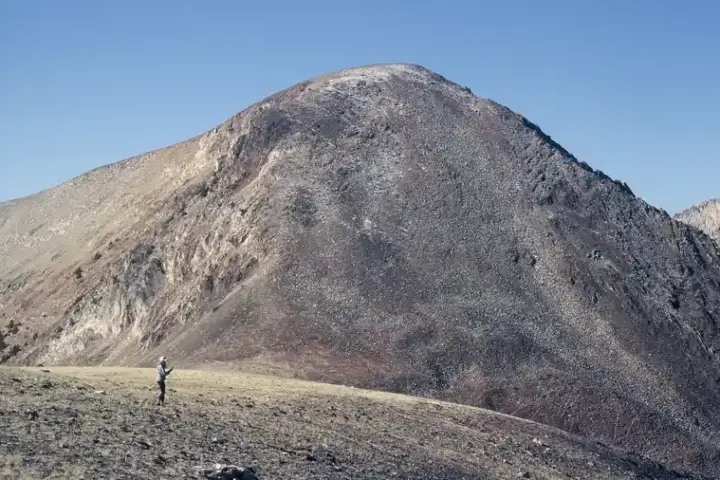
An apparently unfinished log cabin in Idaho’s Sawtooth National Recreation Area was documented still standing in October 2026, more than a year after the U.S. Forest Service’s deadline to remove it. The
Florida Flood Watch Threatens Saturated Basins With Up to 12 Inches of Rain as Coastal Storm Bands Train Onshore
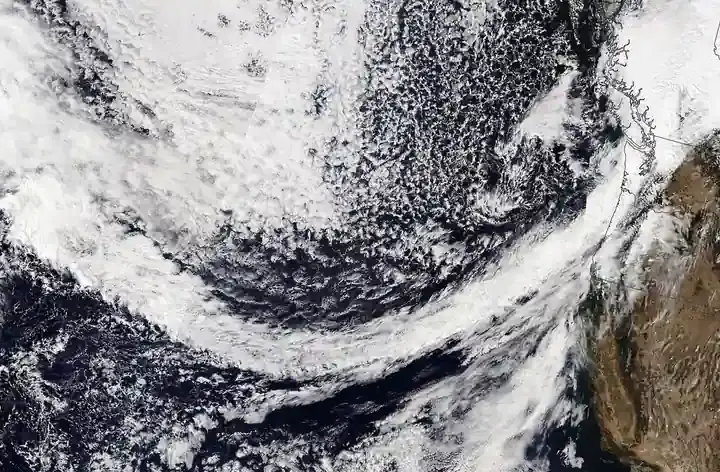
A Flood Watch issued by the National Weather Service in Melbourne covers nine counties (Volusia, Seminole, Orange, Osceola, Okeechobee, Brevard, Indian River, St. Lucie and Martin) from Tuesday afternoon through Friday. The
NASA Terra Satellite Mission Ends December 2026 After 27-Year Earth Observation Record
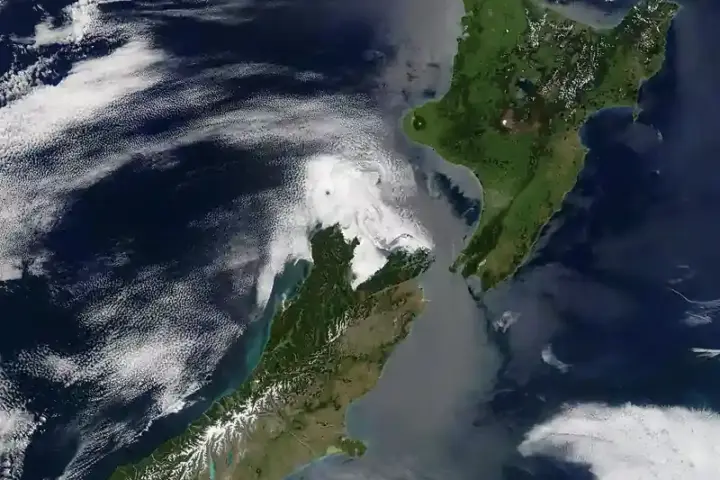
Built for six years, NASA’s Terra satellite lasted 27—and on December 1, 2026, its science instruments go silent for good. The flagship Earth Observing System (EOS) spacecraft, launched December 18, 1999, will
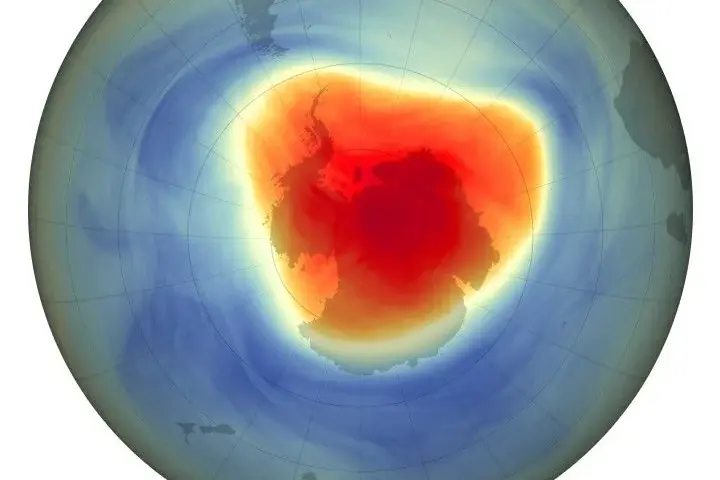
2026 Ozone Hole Largest in a Decade: NOAA & NASA Say Recovery on Track
2026 Ozone Hole Hit 10.5 Million Sq Mi, Largest in a Decade: Why NOAA Says Recovery Is Still on Track The largest Antarctic ozone hole in ten years just appeared in NOAA
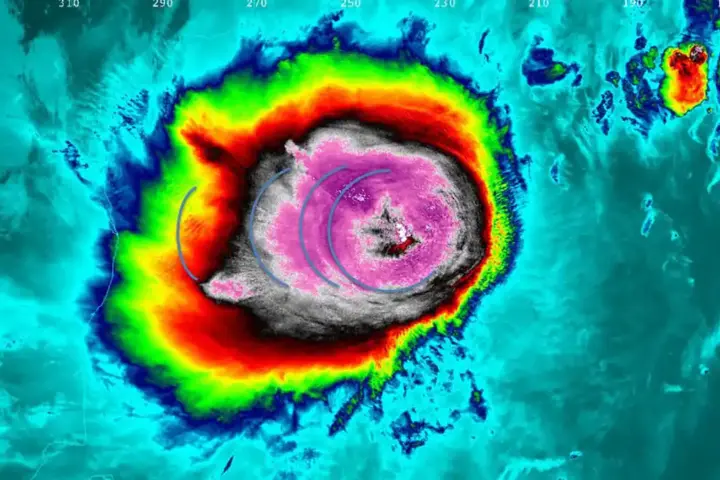
Cyclone Akvan Andhra Pradesh: IMD Tracks Very Severe Storm to Nellore-Tuni Coast by Nov 20
Cyclone Akvan Tracker: IMD Projects Very Severe Storm Crossing Between Nellore and Tuni by Nov. 20 Cyclone Akvan Andhra Pradesh — Coastal communities from Nellore to Visakhapatnam are watching a familiar pattern
Tree T-Pee and Its Water-Saving Claim: What Johnny Georges Said on Shark Tank
Johnny Georges says the Tree T-Pee can sharply reduce irrigation needs for young trees. The claim is his; farm water performance must be tested by site.
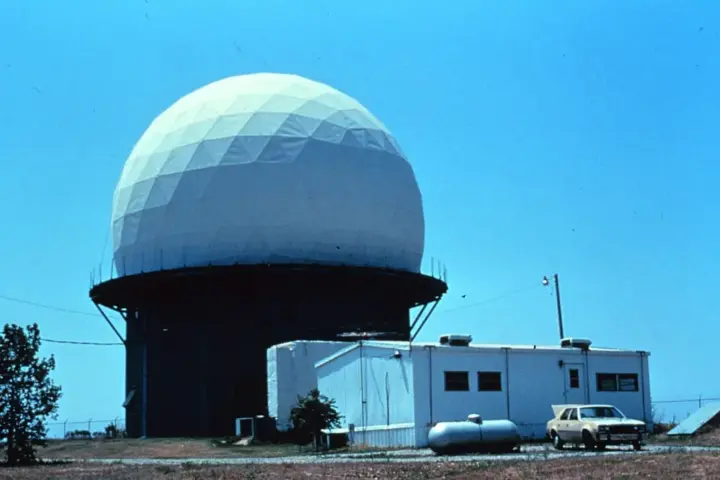
WMO Early Warning Systems Report 2026: Disaster Deaths 6 Times Lower, 1 in 3 Countries Still Unprotected
If a cyclone, flood or heatwave is heading your way, a warning only helps if someone is watching the radar. It also has to reach your phone. A new United Nations report
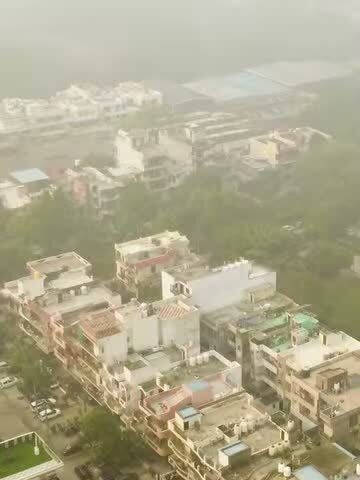
Delhi’s GRAP Is an Emergency Tool—Not a Year-Round Clean-Air Strategy
GRAP helps Delhi-NCR respond to smog emergencies. But long-term clean air requires year-round, regional action on transport, dust, fuel and industry.

2024 Election Records: The Reporters’ Collective Investigation and the ECI’s Response
The Reporters’ Collective found alleged record discrepancies in 51 seats. The ECI rejects its interpretation. What the investigation and response say.
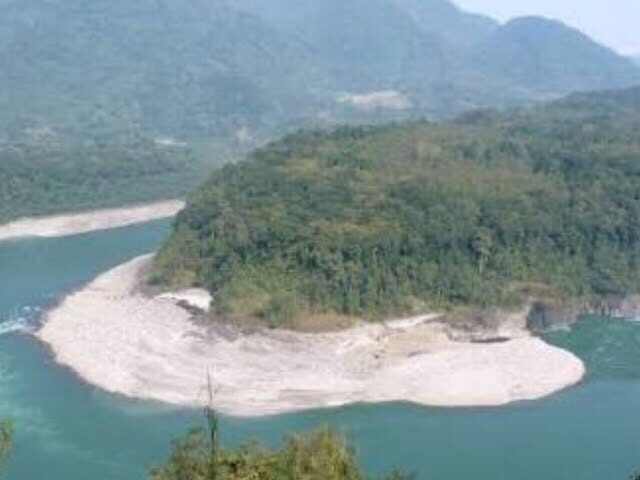
Naying Hydroelectric Project: What the Forest-Clearance Recommendation Means for Arunachal Pradesh
The FAC has recommended Stage-I forest clearance for the 1,000-MW Naying Hydroelectric Project. What the 470.8-hectare proposal means and what remains to be approved.
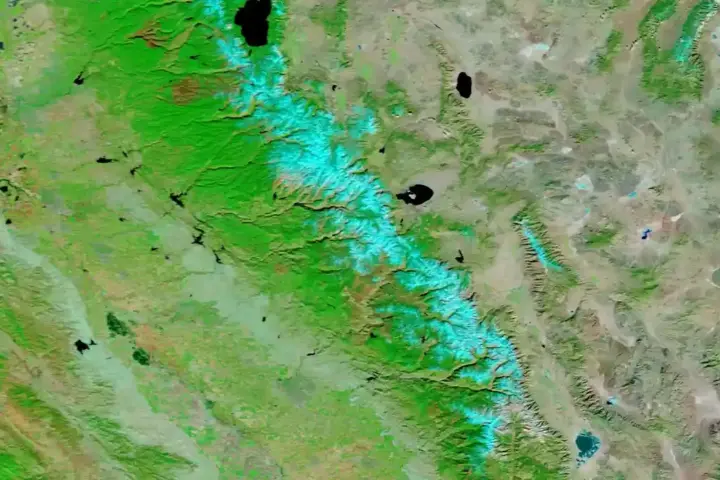
NOAA Updates El Niño Odds as Sierra Storm Warning Brings Travel and Wind Risks
California travelers faced a new Sierra weather threat as NOAA updated its El Niño outlook. The NOAA El Nino update November 2026 put the chance of a strong to very strong event
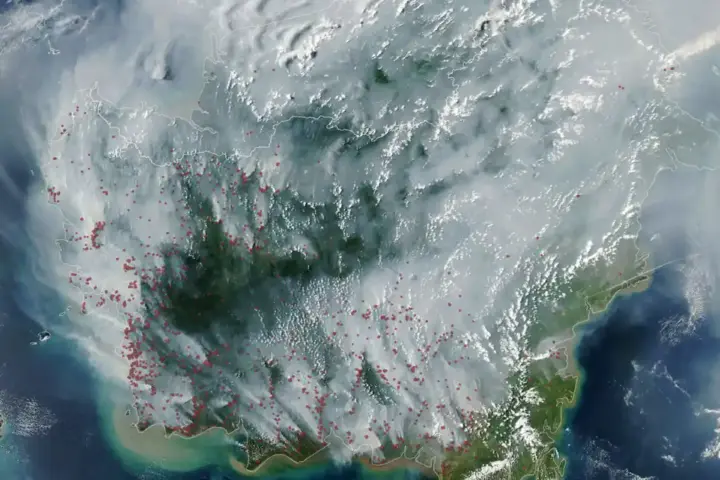
Indonesia 2026 Wildfires: Climate Change Made Extreme Fire Weather Three Times More Likely
In 2026, smoke from Indonesia’s burning forests blanketed four countries. Roughly 12.5 million people across Indonesia, Malaysia, Singapore, and Timor-Leste breathed haze thick enough to close schools and ground flights in Kalimantan.

Mumbai’s Firecracker Fires: 333 Incidents in Five Days Raise Questions About Enforcement
Mumbai Fire Brigade figures reported 333 firecracker-linked calls in five days, as an aerial-fireworks ban and the Malvani death sharpened safety concerns.

Dead Fish in Delhi’s Yamuna: What Is Known, Alleged and Still Needs Testing
Dead fish were reported in Delhi’s Yamuna near Sonia Vihar. The cause is unconfirmed amid competing claims; only transparent testing can establish it.