Tejal Somvanshi
If you take Ozempic, Wegovy, Mounjaro, Zepbound, or any other GLP-1 medication, a new federal warning about sudden vision loss may sound alarming. Here’s what the FDA actually found, and what it means for your prescription.
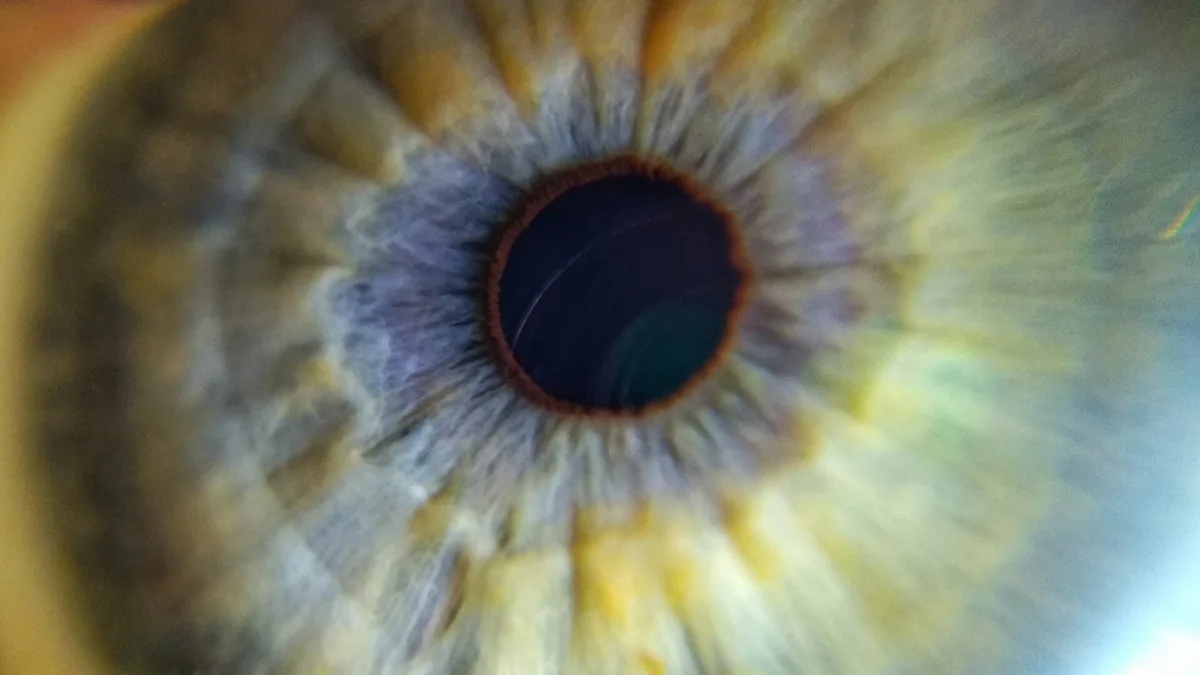
On November 9, 2026, the FDA ordered every maker of a GLP-1 receptor agonist to add a warning about non-arteritic anterior ischemic optic neuropathy (NAION) — sometimes called an “eye stroke” — to their drug labels. NAION happens when blood flow to the front of the optic nerve drops, and it often shows up as sudden, painless vision loss in one eye, frequently noticed right after waking. The warning now covers all 12 FDA-approved GLP-1 products, from Byetta and Victoza to Ozempic, Mounjaro, Zepbound and the new oral pill Foundayo (orforglipron).
The new warning does not mean you should stop your medication on your own. Across 126 clinical trials covering more than 134,000 patients, the FDA found NAION occurred in 6.4 per 100,000 person-years among GLP-1 users versus 3.8 per 100,000 among comparison patients — an increase of roughly 2.6 extra cases per 100,000 person-years. That is a small absolute risk. What matters is recognizing the warning signs early: sudden blurriness, dark patches, tunnel vision or faded color in one eye calls for an eye doctor right away, before your next dose.
All 12 GLP-1 Drugs Covered by the FDA Warning
The warning applies class-wide, not just to one brand. It covers Byetta (exenatide), Victoza and Saxenda (liraglutide), Trulicity (dulaglutide), Ozempic, Wegovy and Rybelsus (semaglutide), Mounjaro and Zepbound (tirzepatide), the combination products Xultophy and Soliqua, and Foundayo (orforglipron), the oral pill approved earlier in 2026. That breadth matters because it goes further than Europe’s 2025 rule, which only flagged semaglutide.
What the Trial and Real-World Numbers Actually Show
A separate FDA real-world study comparing GLP-1 users to patients on other diabetes drugs found no statistically meaningful difference in NAION risk against SGLT-2 inhibitors (hazard ratio 1.19), though there was a modest, statistically significant increase against DPP-4 inhibitors (hazard ratio 1.43). People with sleep apnea, high blood pressure, or a prior NAION episode in one eye face higher background risk regardless of medication.
The numbers behind this warning are more cautious than the headlines suggest. Out of 134,253 trial patients, the FDA identified only 15 probable NAION cases, and animal studies found no biological mechanism to explain how a GLP-1 drug would damage the optic nerve. Even so, because case reports kept surfacing after each drug reached the market, the agency chose to warn across the entire class rather than drug by drug — a broader, more cautious step than regulators in Europe took.
Should I stop taking a GLP-1 because of this warning?
No. The FDA is not telling patients to discontinue these medications. Continue as prescribed and watch for sudden, painless vision loss in one eye, often noticed on waking, along with blind spots, tunnel vision, color distortion, or hazy central vision. Contact an eye doctor immediately if any of these appear, and talk to your prescriber about your personal risk factors.
If you notice any of these symptoms, don’t wait for a routine appointment — same-day ophthalmology evaluation is the safer path, and you can report side effects directly to the FDA’s MedWatch program. Regulators in Europe, the UK and Australia are expected to review the same evidence in the coming weeks.