Sunita Somvanshi
If you have a teenager on Snapchat who has been struggling with anxiety, compulsive scrolling, or depression, you may have wondered whether the platform would ever face accountability in court. Snap Inc. settled a landmark lawsuit during jury selection in Los Angeles on November 2, 2026 — walking away from a public trial at the last possible moment, right as opening statements were set to begin.
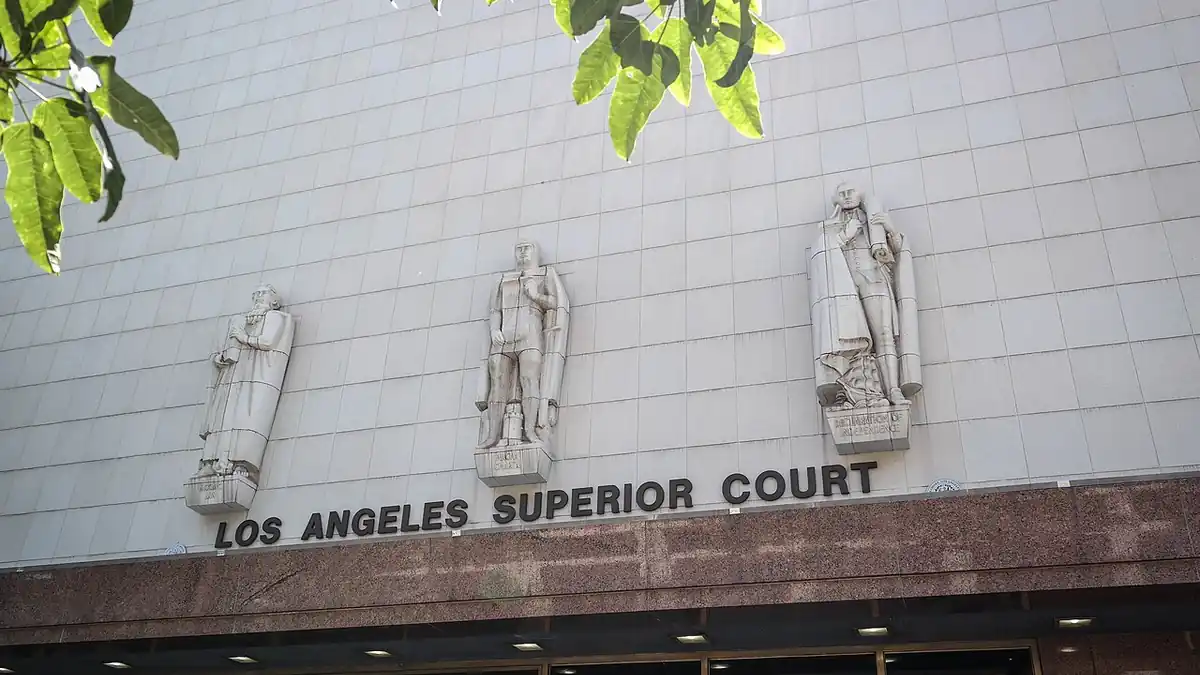
The Snap social media addiction settlement was reached on November 2, 2026, at Los Angeles Superior Court. Two teenage plaintiffs — S.J., aged 16, from Illinois, and K.D.B., aged 18, from Mississippi — alleged that Snapchat’s algorithmic design deliberately fostered compulsive use, contributing to anxiety, depression, and eating disorders in adolescent users. S.J. was represented by Joseph VanZandt of Beasley Allen; K.D.B. was represented by John Morgan and Emily Jeffcoat of Morgan & Morgan. Snap admitted no wrongdoing, and the full terms remain strictly confidential. The case was coordinated under California’s Judicial Council Coordinated Proceedings (JCCP) framework. Snap settled as the final remaining defendant in this particular bellwether case — Meta, TikTok, and YouTube had each separately settled with the same plaintiffs before the trial reached opening arguments. CEO Evan Spiegel had been due to testify.
Families expecting an immediate compensation fund from this settlement will find none. The confidential agreement applies exclusively to the two plaintiffs and establishes no class-action payout mechanism. However, this last-minute deal shows that social media companies are unwilling to let internal algorithmic design documents reach open jury scrutiny. Parents managing teen screen harm should watch forthcoming bellwether trials, with the next round scheduled to begin in March 2027.
Meta’s settlement and subsequent exits by TikTok and YouTube left Snap standing alone as the only company still facing a public jury on product-defect theories — the legal argument that Snapchat’s engagement mechanics were built in a way that foreseeably harmed users. Had the trial proceeded, internal documents about how the platform’s recommendation systems function could have become part of the court record, though protective orders and evidentiary rulings can still restrict what becomes public even in open trials.
The design-defect doctrine, borrowed from product liability law, holds that a company can be liable not just for a product that malfunctions, but for one engineered to operate in a way that causes harm. Applying that framework to social media software remains legally contested, and the Snap settlement means no jury has yet applied it to this platform’s specific algorithmic design.
Other parents cannot submit claims for compensation under this agreement. The deal is individual and confidential, with no class fund established. Families in similar situations must pursue separate legal action. FTC social media guidelines and teen digital safety legislation continue to advance at the state level, increasing broader regulatory pressure on platforms.
The next major pressure point is the bellwether litigation beginning in March 2027. Those cases involve school districts and other plaintiffs and could seek changes to platform features. Attorneys for the plaintiffs said after the settlement that the resolution helps maintain accountability pressure on social media companies. Check back as those trial dates approach.