Sunita Somvanshi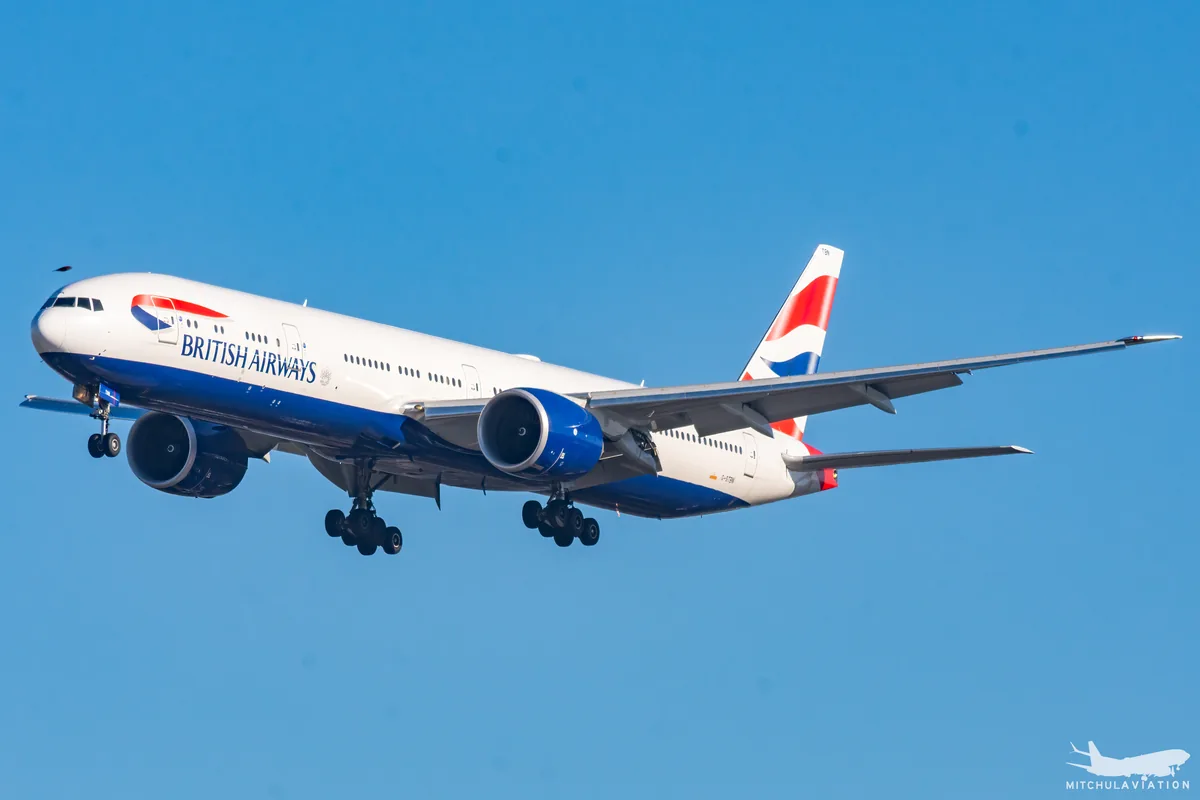
A Reading Employment Tribunal has ordered British Airways to pay £29,195.69 to a former cabin crew member — not because the judge ruled him innocent, but because BA's investigators questioned him before taking a complete statement from the complainant. The ruling illustrates the financial consequences of an employment tribunal finding that an employer's investigation was not sufficiently reasonable.
Charly Mateo, 37, was employed by British Airways from September 2018 until his dismissal in July 2024. The incident at the center of the case took place in March 2024 while Mateo was traveling in a "positioning" capacity — flying as a passenger, not working active crew — when he allegedly told a female colleague he wanted her to join the "mile high club" and touched her knee behind a rest curtain. BA dismissed him four months later. He brought an unfair dismissal claim before Employment Judge Anna Macey at Reading Employment Tribunal. The award came to £29,195.69. His request for reinstatement was denied.
The tribunal found BA's investigation unreasonable because it interviewed Mateo before obtaining a full account from the complainant and failed to investigate her allegation that he touched her knee in sufficient depth. Even when an employer holds a genuine belief that gross misconduct occurred, failures in how the investigation was conducted can render a dismissal unfair and expose companies to significant tribunal awards.
Judge Macey described Mateo's behavior as "strange" and an "invasion of privacy." She accepted that BA held genuine grounds to believe the misconduct occurred and that the breakdown of trust was sufficiently serious to make reinstatement impracticable. Both findings went in British Airways' favor.
The airline still lost because of how it ran its investigation. BA's HR team interrogated Mateo before securing a detailed, finalized witness statement from the complainant. Under the ACAS Code of Practice — the standard employment tribunals apply when judging whether a dismissal was reasonably conducted — employers must investigate allegations, give the employee the opportunity to respond, and be fair and thorough in gathering information from all sides. The tribunal held that BA's investigation did not meet the required standard.
That investigative failure cost £29,195.69, even as the judge simultaneously refused to order Mateo's return to the airline.
Karmactive has also covered British Airways operations, including British Airways indefinitely suspends London-Abu Dhabi service and the British Airways BA825 emergency landing.
Why You Can Win a Tribunal Even If You Behaved Wrongly
The Mateo case answers a question many people get wrong: can you receive compensation even if the tribunal accepts that you acted inappropriately?
Yes. UK employment tribunals evaluate two distinct questions separately. The first is whether the employer had reasonable grounds to believe misconduct occurred. The second is whether the employer followed a fair and thorough procedure before dismissing. A finding on the first does not decide the second.
Mateo's compensation was reduced to reflect his contribution to the situation — a standard tribunal adjustment when employee conduct played a part. He walked away with money, not a job.
These related cases show why airline procedures remain under close public scrutiny.
For HR departments handling misconduct cases with time pressure or reputational sensitivity — common in aviation, where crew welfare and brand image are closely linked — the temptation to compress investigative steps is real. Employment tribunals do not accept urgency as a justification. The cost of following the ACAS Code correctly is administrative time. The cost of skipping it, as British Airways now knows, can exceed £29,000 per case.