Karmactive Team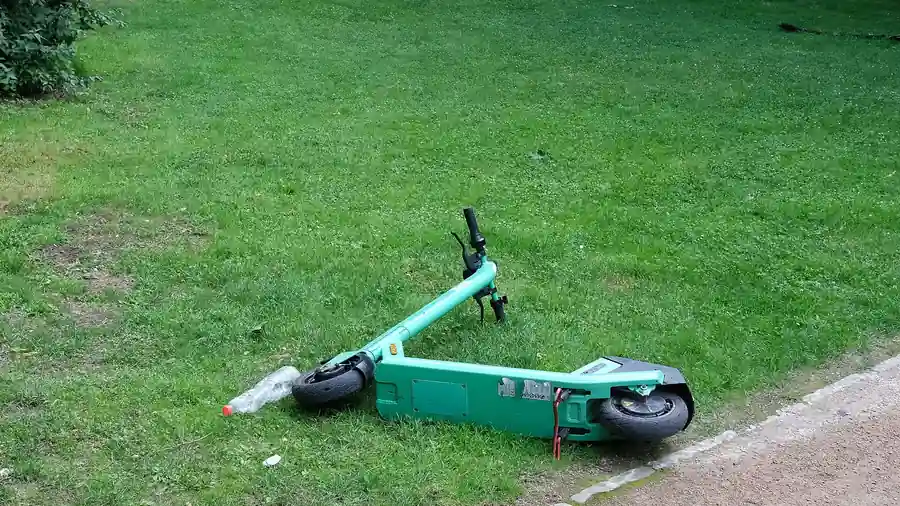
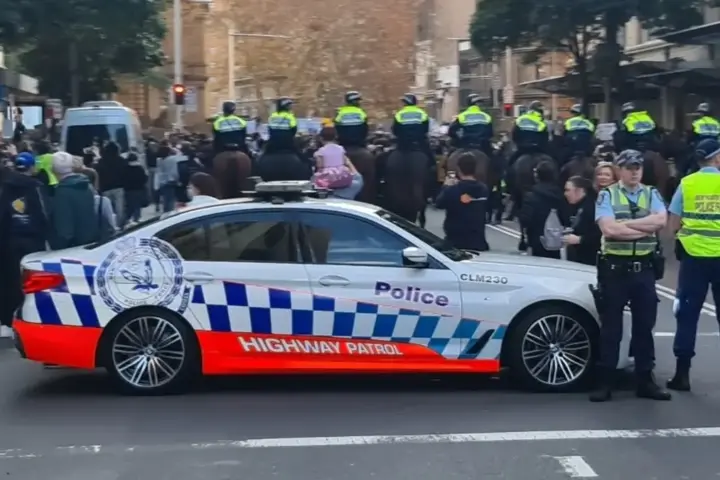
Queensland Police seized 558 e-bikes, e-scooters and other electric mobility devices and issued more than 2,400 infringement notices in the first three months of a statewide enforcement operation. If you ride any kind of e-mobility device in Queensland, the rules generating the bulk of those fines may not be the ones you are expecting.
Operation Yankee Surety began on July 1, 2026, as Queensland Police’s dedicated e-mobility enforcement program and is continuing through June 30, 2027. The three-month results released to date: 558 device seizures, more than 2,400 infringement notices, approximately 1,500 of which related to helmet non-compliance, 157 speeding offences and 68 drink-riding prosecutions. The Queensland Government granted police seizure powers for illegal and non-compliant devices from July 1, 2026.
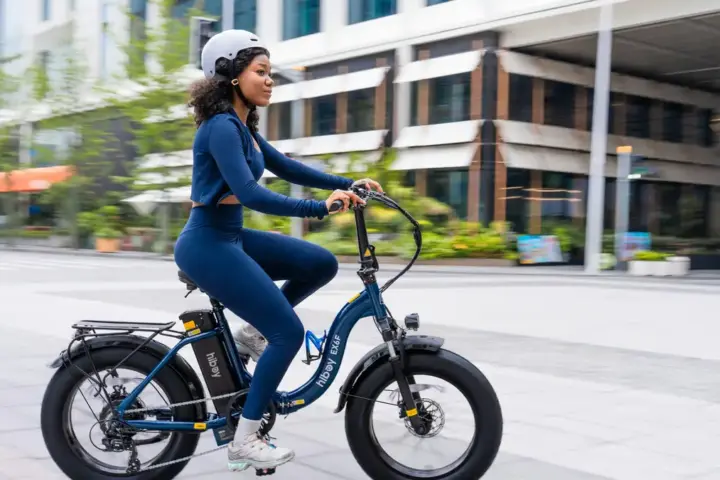
Helmet non-compliance generated more than 60 per cent of all fines. Of the 2,400-plus notices issued, roughly 1,500 were for helmet violations. Queensland law requires an approved helmet for all e-bike and e-scooter riders regardless of rider age, device type or riding location.
If you ride an e-bike or e-scooter in Queensland, understanding what gets a device seized matters now. Queensland Police can seize e-mobility devices they reasonably suspect do not meet the legal requirements for use in public places. A seized device is entered into the QPS seized and forfeited e-mobility device list. Owners have 30 days to apply for release, must provide proof of ownership and supporting information, and release is subject to eligibility requirements. If the device was illegal, it may not be releasable.
What Queensland’s E-Mobility Rules Require
The speed limits are specific. Compliant e-bikes and e-scooters are capped at 25 km/h on roads and shared paths. When passing pedestrians on footpaths or shared paths, the limit drops to 12 km/h. Devices modified to exceed these limits, or that do not meet Australian design rules for e-mobility devices, are classified as non-compliant and are subject to seizure.
Motor output matters too. An e-bike with a maximum continuous rated motor output above 250 watts does not meet Queensland’s legal e-bike requirements. Some higher-powered electric vehicles are instead classified as motorcycles under Queensland law and can require registration, insurance and a licence to ride. Licensing requirements depend on the device type and rider’s age under Queensland’s updated rules — check the Queensland Government website for current requirements.
Queensland Police maintain an official QPS seized and forfeited e-mobility device list where seized devices can be checked. You can find further coverage of urban transport policy and safety regulations for context across Australian states.
The enforcement pattern emerging from Operation Yankee Surety suggests that police are applying the full suite of powers introduced in July 2026 — enforcing helmet use, speed limits and drink-riding rules across the board. The 68 drink-riding prosecutions in three months indicate that alcohol testing is being actively applied to e-mobility riders, not just bicycle and motor vehicle drivers.
Operation Yankee Surety is continuing through June 30, 2027. Riders should check their device against Queensland Government specifications and confirm helmet compliance before their next ride.