 Govind Tekale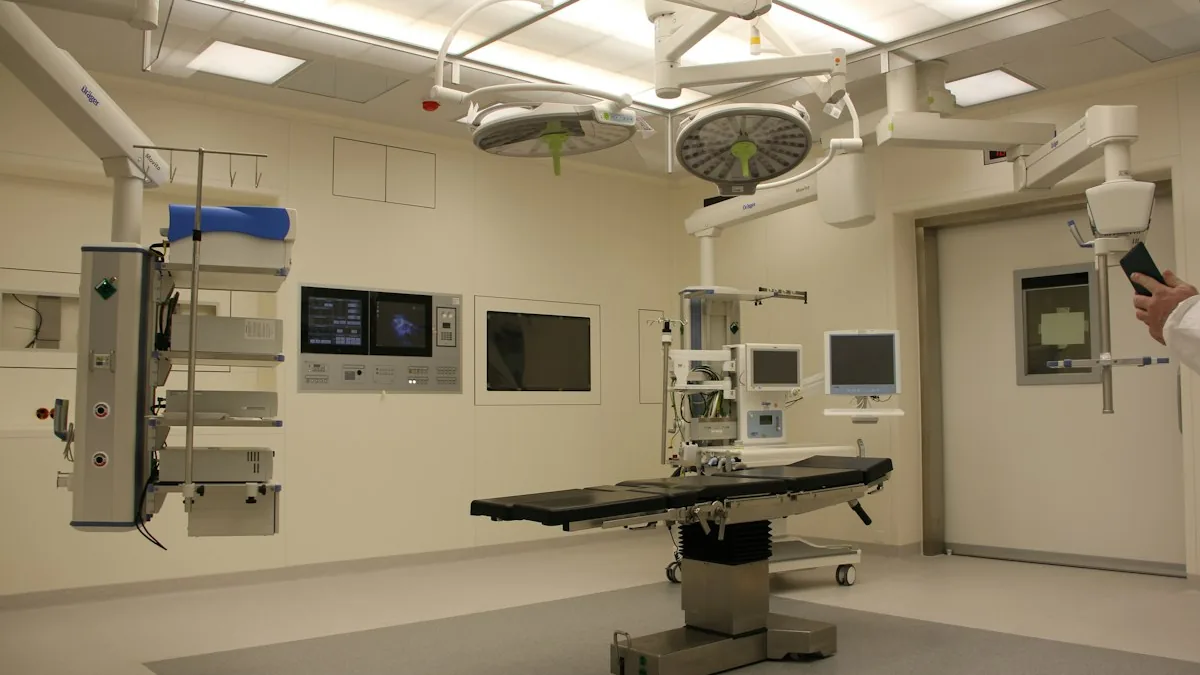
They Walked Free — But the Shrapnel Never Left
When Israeli hostages walked out of Gaza captivity, cameras caught the smiling reunions. What the lenses missed: shrapnel still embedded in their eyes, torsos, arms, and necks — fragments from Hamas bullets and grenades that tore into their bodies on October 7 and were never removed. Some have carried this metal for over 700 days.
The Medical Reality No Headline Captured
Released hostages undergo battery tests at one of six Israeli hospitals — Shamir, Sheba, Rabin, Soroka, Sourasky, and Barzilai. Scans reveal embedded metal fragments in muscle, soft tissue, and near major nerves. Alon Ohel, abducted from the Nova music festival, took a bullet fragment to his right eye. His captors sutured the wound with needle and thread, no anesthetic. After 738 days, surgeons at Rabin Medical Center performed what they called “a complex and exceptional eye operation that was supposed to happen two years ago.”
Four female soldiers from the Nahal Oz observation post — Karina Ariev, Daniella Gilboa, Naama Levy, and Liri Albag — spent 477 days in captivity with shrapnel from the base assault lodged in muscle and soft tissue. Their cases are among the best documented because the attack sequence and munitions are known. Israeli hostages freed by Hamas still carry embedded shrapnel — Karmactive’s earlier coverage of this same injury pattern.
Why Embedded Metal Becomes a Lifelong Threat
Here is what most coverage skips: embedded shrapnel does not stay put. Metal fragments migrate through tissue along fascial planes, moving toward blood vessels, nerves, and organs. The body walls off fragments in scar tissue — encapsulation — which causes chronic compression pain and restricts movement. Near nerves, fragments trigger neuropathic pain: burning, sharp, hypersensitive. Showers become unbearable.
Standard trauma protocol operates within hours on accessible fragments, days on deeper ones. These hostages received none of that. Over 14 to 24 months, fibrous adhesion makes removal more complex, raises infection risk, and can permanently compromise nerve conduction. The surgery that should have been routine becomes exceptional — and sometimes still not fully restorative.
The Compound Trauma No One Explains
Psychiatrists distinguish simple PTSD — a single traumatic event — from complex PTSD, which comes from sustained, inescapable trauma. For these hostages, there is a third layer: they arrived in captivity already wounded. Their nervous systems processed acute physical pain and psychological terror simultaneously, without relief, for months or years.
Israeli psychoanalyst Ofrit Shapira-Berman notes that many hostages used dissociation — detaching conscious awareness from unbearable experience — to survive. In captivity, dissociation is protective. After release, it disrupts memory consolidation, body awareness, and the ability to process trauma therapeutically. Daily neuropathic pain signals from untreated shrapnel reinforce the body’s threat state, making the PTSD loop more persistent.
What the Health Ministry Told the Red Cross
Israel’s Ministry of Health compiled evidence from 12 freed hostages and submitted it to the International Committee of the Red Cross. The findings: systematic starvation causing severe vitamin and mineral deficiencies, ingestion of contaminated water, physical torture including beatings and being hung by legs, chaining for weeks or months in underground tunnels without light or air, sexual abuse, burns, and untreated fractures.
The Ministry stated these findings describe “systematic physical and psychological abuse amounting to torture and grave breaches of international law.” It added that remaining hostages face risk of “irreversible damage” with each passing day. The ICRC submission creates a formal evidentiary record beyond press accounts — potentially usable in future accountability proceedings.
The Legal Framework That Coverage Ignores
Article 34 of the Fourth Geneva Convention prohibits hostage-taking outright. Common Article 3 — binding on all parties in armed conflict — requires humane treatment and care for the wounded. Article 147 designates hostage-taking as a grave breach, triggering prosecution obligations on all signatory states.
Withholding surgery from hostages who arrived with shrapnel injuries — leaving fragments in eyes, nerves, and torsos for up to 738 days — meets the threshold of “willful causing of great suffering” under Article 147. Human Rights Watch concluded in July 2024 (initial statement October 2023) that “Hamas and Islamic Jihad are committing war crimes by holding scores of Israelis and others as hostages in Gaza.” The Health Ministry’s ICRC submission is the formal first step in building that case.
The Hostages Still Inside
Some hostages remain in Gaza. Based on documented injuries of those already returned, trauma physicians project the likely medical profile of those still held: untreated shrapnel or fractures spanning two-plus years, advanced muscle wasting from caloric deprivation, prolonged nerve compression from chaining, and refeeding syndrome as a medical risk upon release. Each additional month increases the irreversibility of harm — particularly for injuries near nerves and eyes.
The Unquantified Cost
No major outlet has attempted to calculate the long-term rehabilitation cost for this cohort. Chronic neuropathic pain requires ongoing medication and specialist care. Potential permanent disability from nerve damage or vision loss. Years of psychiatric treatment. Reduced occupational capacity for young soldiers whose careers were interrupted. For families: caregiver burden, secondary trauma, disrupted work and family life. For the state: hospital system strain, long-term disability support, legal proceedings, and psychological reparation frameworks. In post-conflict societies, long-term healthcare costs of trauma routinely exceed initial projections by significant margins.
The released hostages are home — but home is not the same as healed. The shrapnel in their bodies is a physical record of what captivity does to a human being, and the medical and legal architecture needed to respond to it is still being built, one surgery at a time.
Gaza — the broader context of this crisis — continues to draw international attention. The NAZA Gaza documentary has also documented the humanitarian toll.