 Govind Tekale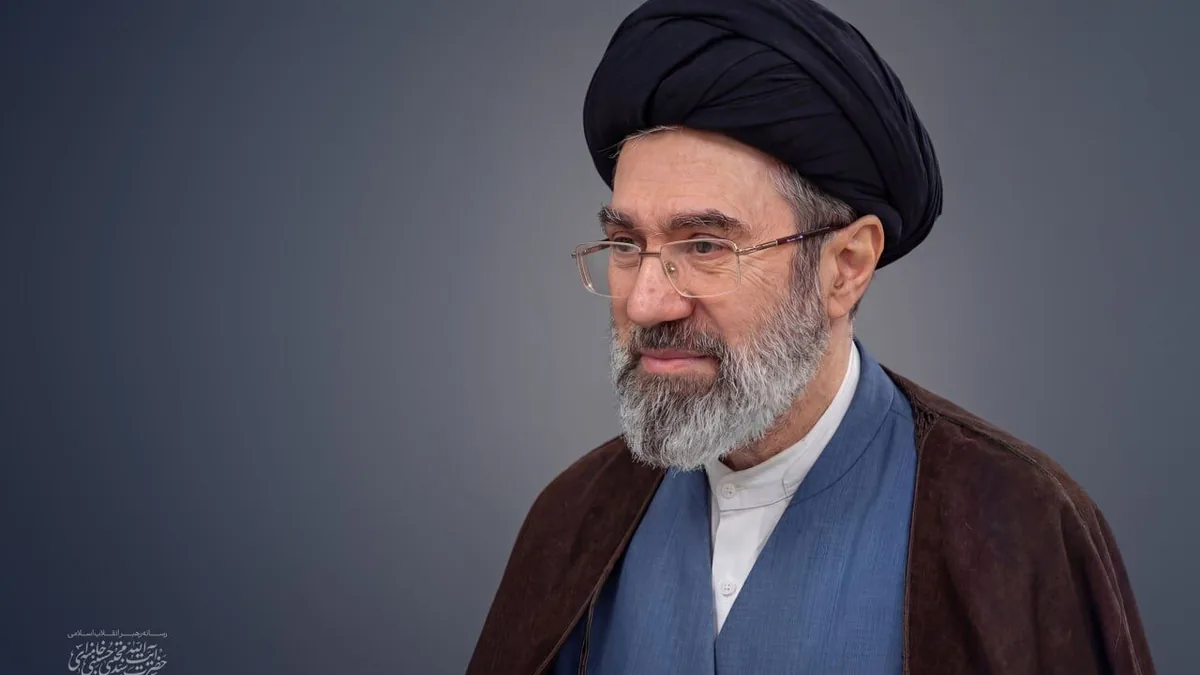
Iran’s Supreme Leader Mojtaba Khamenei was pulled from the rubble of a Tehran hospital after US-Israeli strikes hit the medical center where he had been treated, an Iranian Assembly of Experts member claimed. NY Post The revelation, aired on Qatari television, adds a disturbing new chapter to the escalating conflict — and raises urgent questions about who actually leads Iran.
IMPORTANT CAVEAT: This claim is based on a single source — Mohsen Heydari, a member of Iran’s Assembly of Experts, speaking to Al Araby TV — and has not been independently verified by US, Israeli, or Iranian officials. The New York Post is the primary outlet reporting this. Readers should treat the hospital strike narrative as unconfirmed.
Mohsen Heydari told Al Araby TV that three hospitals in Tehran were bombed on Feb 28 after the strikes that killed Ayatollah Ali Khamenei, the 86-year-old supreme leader. “Even after he had been wounded and taken to the hospital, three hospitals in Tehran were bombed,” Heydari said. “Mojtaba Khamenei was in the third hospital and was pulled from the rubble.” NY Post
Mojtaba Khamenei, 56, subsequently disappeared to an unknown location and has not been seen publicly or heard from since. NY Post US intelligence reports had reportedly suggested he was badly disfigured in the attacks. FJP
The Assembly of Experts, which is mandated to choose Iran’s supreme leader, was itself reportedly targeted during the strikes. The Qom Secretariat was bombed, killing eight people and destroying reports and recommendations concerning the selection of a new supreme leader. NY Post
Heydari said members of the Assembly subsequently wrote their votes on paper before being summoned to a secret room for the selection process. He recalled being the first member to suggest Mojtaba Khamenei’s name. “Given the enemy’s position, we will choose and elect no one as leader and supreme guide of the Islamic Republic except Ayatollah Mojtaba Khamenei,” Heydari recalled saying. NY Post
The New York Post reported that Mojtaba Khamenei received 50 of 59 votes during the meeting, while eight members voted for Ayatollah Alireza Arafi and one member abstained. NY Post
The contradictory claims about Mojtaba’s condition remain unresolved. Trump told Glenn Beck: “I don’t think he’s dead… He was very seriously wounded. The left side of his body, the arm, the leg, the whole thing. He was very seriously wounded, but I don’t think he’s dead.” FJP Iranian President Pezeshkian, meanwhile, said in an interview with Fox News that Mojtaba Khamenei was “completely healthy.” “We met for about seven hours,” Pezeshkian told “Special Report” host Bret Baier, referring to a meeting between the two Iranian leaders last month. FJP
The mystery surrounding the Iranian leader’s whereabouts has fueled speculation across global capitals. If Mojtaba Khamenei was indeed pulled from hospital rubble and is incapacitated, the question of who leads Iran — and whether the supreme leader is alive — becomes urgent. The contradictory claims from US intelligence, Trump, and Iranian officials themselves underscore the information vacuum.
Internal link context: Trump Rejects Iran Seven-Day Hormuz Plan — ongoing Iran coverage
Irreplicable observation: Heydari said Assembly members wrote their votes on paper before being summoned to a secret room — the selection process was conducted on paper in secrecy after the Qom Secretariat was bombed and 8 members killed. This is extraordinary for a process that normally operates through formal institutional channels. NY Post
The US has not independently confirmed the hospital strike or Mojtaba’s condition. Iran’s state media have not commented on the report. The lack of official confirmation from any side leaves the claim in a gray zone between credible sourcing and unverified reporting.
If Mojtaba Khamenei was indeed pulled from a hospital rubble after US-Israeli strikes, the question of who leads Iran — and whether the supreme leader is alive — becomes urgent. US intelligence says he was “badly disfigured” while Iranian officials claim he’s “completely healthy.” The contradiction itself is the story.
The diplomatic and military implications are profound. A incapacitated or deceased supreme leader could trigger a succession crisis in Iran, with unpredictable consequences for the region’s stability. Check back for updates as more information becomes available.