COP31 “35-by-35” Electrification Pledge Sparks Backlash Over Missing Renewable Requirement

September 25, 2026
1 min read
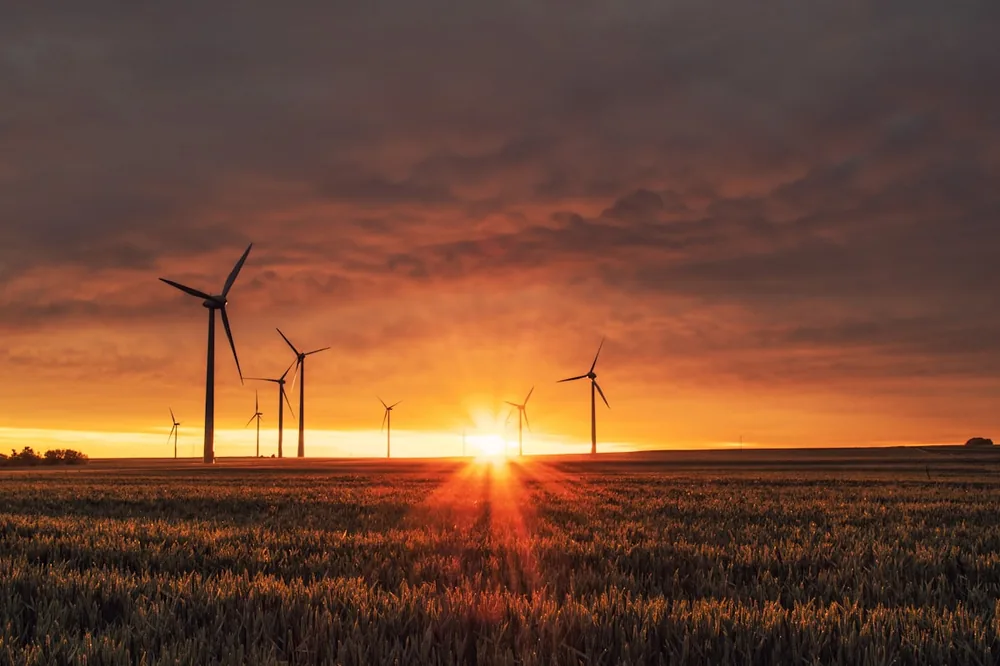
Electricity generation and transmission infrastructure representing different energy sources
Global electrification targets have prompted debate over how electricity use and the sources supplying that power should be measured. Image: Unsplash.

The COP31 “35-by-35” pledge commits nations to 35% electrification by 2035, but the official commitment contains no binding renewable-energy percentage — allowing fossil-fuel-powered electricity to count. This gap, present in the official text, has triggered backlash.

Electrification without a renewable requirement can be achieved through coal or gas — reducing real emission impact compared to a clean-energy target.

The irreplicable observation from the primary text is that no binding enforcement mechanism accompanies the pledge. There is no penalty for non-compliance, no verification timeline, and no interim target requirement.

What happens next depends on whether follow-up negotiations introduce binding amendments. UNFCCC COP31 updates will clarify this.

For broader context, Karmactive’s related reporting on fossil-fuel phase-out talks global warming overshoot risks helps connect this story to the wider public-interest picture.
Rahul Somvanshi

Rahul, possessing a profound background in the creative industry, illuminates the unspoken, often confronting revelations and unpleasant subjects, navigating their complexities with a discerning eye. He perpetually questions, explores, and unveils the multifaceted impacts of change and transformation in our global landscape. As an experienced filmmaker and writer, he intricately delves into the realms of sustainability, design, flora and fauna, health, science and technology, mobility, and space, ceaselessly investigating the practical applications and transformative potentials of burgeoning developments.

Leave a Reply

Your email address will not be published.

Wall of dust advancing toward a residential area representing severe desert storm conditions and hazardous weather events.
Previous Story

Grand Canyon Floods Leave 15 Missing After Storm

ASX headquarters at Martin Place in Sydney, Australia
Next Story

Australia’s Unemployment Hits 4.6% — Highest Since November 2021 — Even as 39,500 Jobs Were Added in August

Latest from Environment

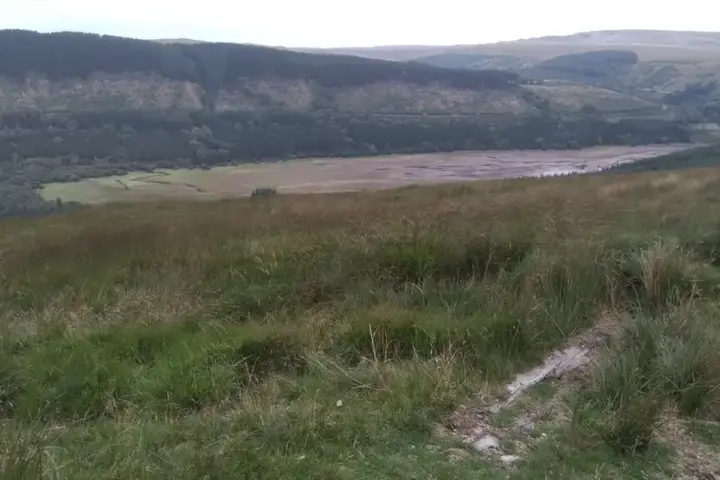
Low reservoir water during drought conditions in Britain

England drought recovery needs 120% rainfall

England is facing a drought recovery that may stretch into spring 2027, with the Environment Agency and Defra stating that the country requires approximately 120% of normal seasonal rainfall between September and

Don't Miss

Zero Waste Week 2026: Practical Waste Prevention and Reuse Guide - Open Clip Art Library

Zero Waste Week 2026: Practical Waste Prevention and Reuse Guide

Zero Waste Week arrives in September/October 2026—the main