 Sonali Tiwary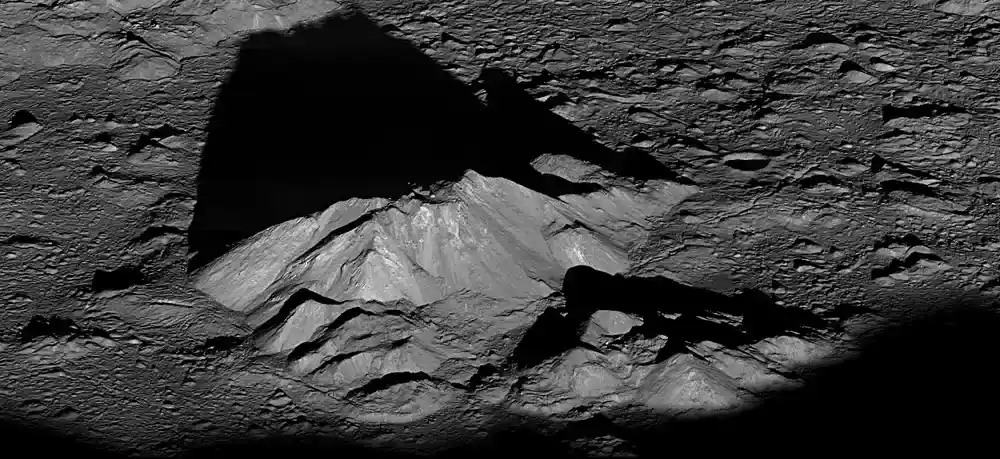
Mercury may have shrunk more than scientists previously estimated, because parts of the evidence may be hidden by impact debris. A CNN science report said new research in Geophysical Research Letters looks again at the wrinkle-like ridges and cliffs on the planet’s surface.
Mercury is the smallest planet in the solar system and the closest to the Sun. NASA facts cited by CNN place it about 36 million miles, or 58 million kilometers, from the Sun on average. It completes one orbit every 88 days.
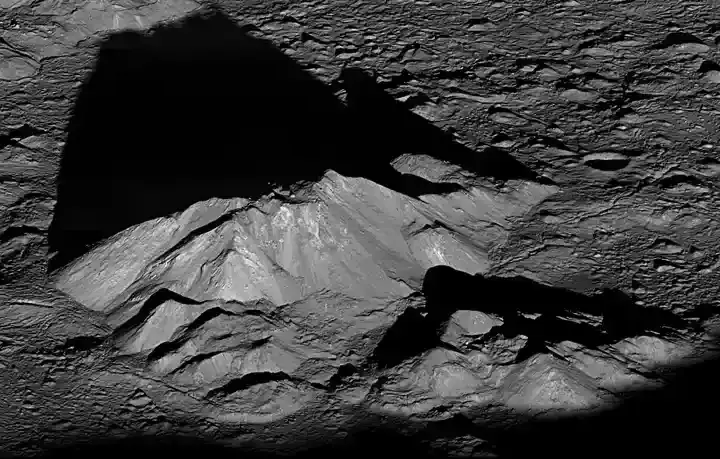
The shrinking story begins with heat. Rocky planets formed hot, and impacts in the early solar system added more heat. As a planet cools over billions of years, its interior can contract. The outer crust then adjusts, producing ridges and cliffs. Scientists call these shortening structures. Some cliffs on Mercury can reach up to 1 mile, or 1.6 kilometers, in height and stretch for hundreds of miles.
The complication is that Mercury has also been hit repeatedly by asteroids and comets. Those impacts produced craters and debris. The new study says that debris may have covered some contraction features, meaning earlier measurements could have missed part of Mercury’s total shrinkage.
This is not a story of Mercury suddenly collapsing. The process is geological and measured across deep time. The fresh reader angle is a detective problem: the same battered surface that records Mercury’s cooling may also hide pieces of the record. Future Mercury observations, including mission data from orbiters, may help scientists compare exposed scarps with buried or partly buried ones.
The next science update will likely come from mission data and closer mapping of buried scarps. That evidence could change contraction estimates and improve models for how small rocky worlds cool over billions of years.