 Sunita Somvanshi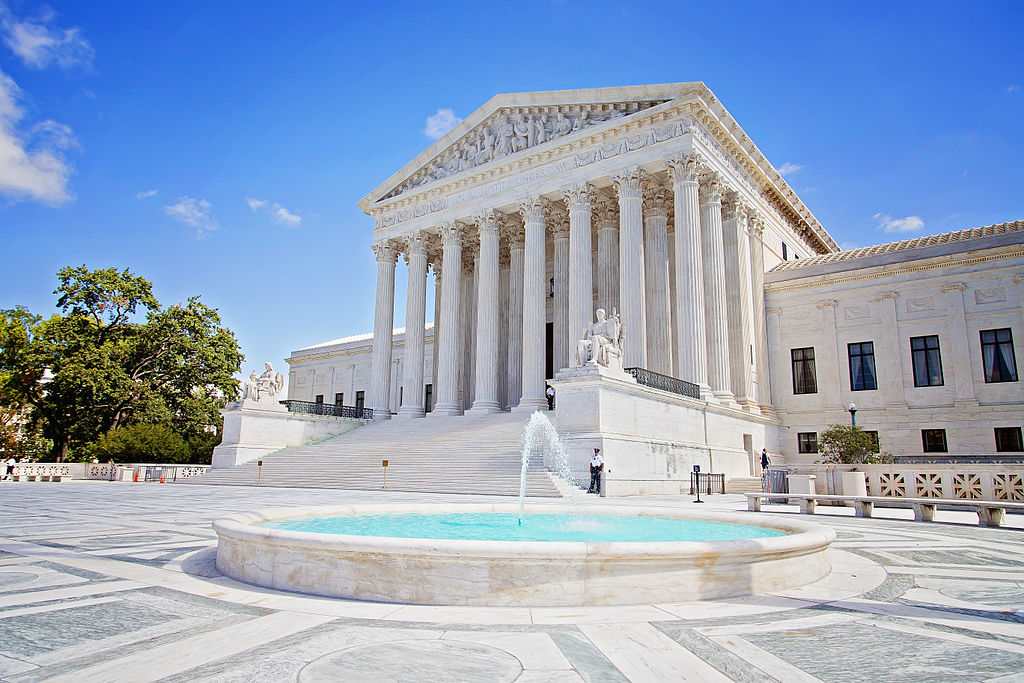
Missouri’s congressional map dispute reached a conclusion on September 10 when the U.S. Supreme Court stepped in a second time and blocked a federal judge’s temporary order, removing the immediate uncertainty about which map voters will use in the 2026 elections.
Here’s what happened. The Missouri Supreme Court held that Missouri’s constitution permits referenda on the General Assembly’s congressional district legislation. The state court ordered a referendum placed on the November ballot and restrained the Secretary of State from using the HB 1 map (the one backed by the Trump administration and Republican lawmakers) for the November general election.
When the Trump administration sought emergency help from the U.S. Supreme Court to revive the HB 1 map, the U.S. Supreme Court declined to step in and left the Missouri Supreme Court’s decision in place.
But then a federal district judge issued a temporary restraining order in a separate case, creating conflicting court orders—one from the state court saying not to use HB 1, and another from the federal judge suggesting different guidance. This created the confusion and legal ambiguity.
On September 10, the U.S. Supreme Court issued a stay, effectively blocking the federal district judge’s order. This removed the conflicting guidance and allowed the Missouri Supreme Court’s position to remain controlling for the November 2026 election. The referendum on congressional districts will proceed as the Missouri Supreme Court ordered.
This dispute centered on a fundamental state-law question: whether Missouri’s constitution allows voters to override the General Assembly’s congressional map through a citizen referendum. The Missouri Supreme Court answered yes. The U.S. Supreme Court’s decision to stay the federal judge’s conflicting order means that the referendum process will move forward as the Missouri court directed.
Congressional maps directly affect which candidates win elections because boundaries determine which voters are grouped together in each district. That’s why both political sides fought so hard over these lines. The Trump-backed map would have favored Republicans; the map now moving forward to a referendum reflects different political calculations.
For Missouri voters, the path forward is now clear: they will vote on the referendum in November, and the state-ordered map (not HB 1) will be used for the 2026 congressional elections. The multiple court proceedings that created confusion have been resolved by the U.S. Supreme Court’s September 10 stay of the federal judge’s order.