Sunita Somvanshi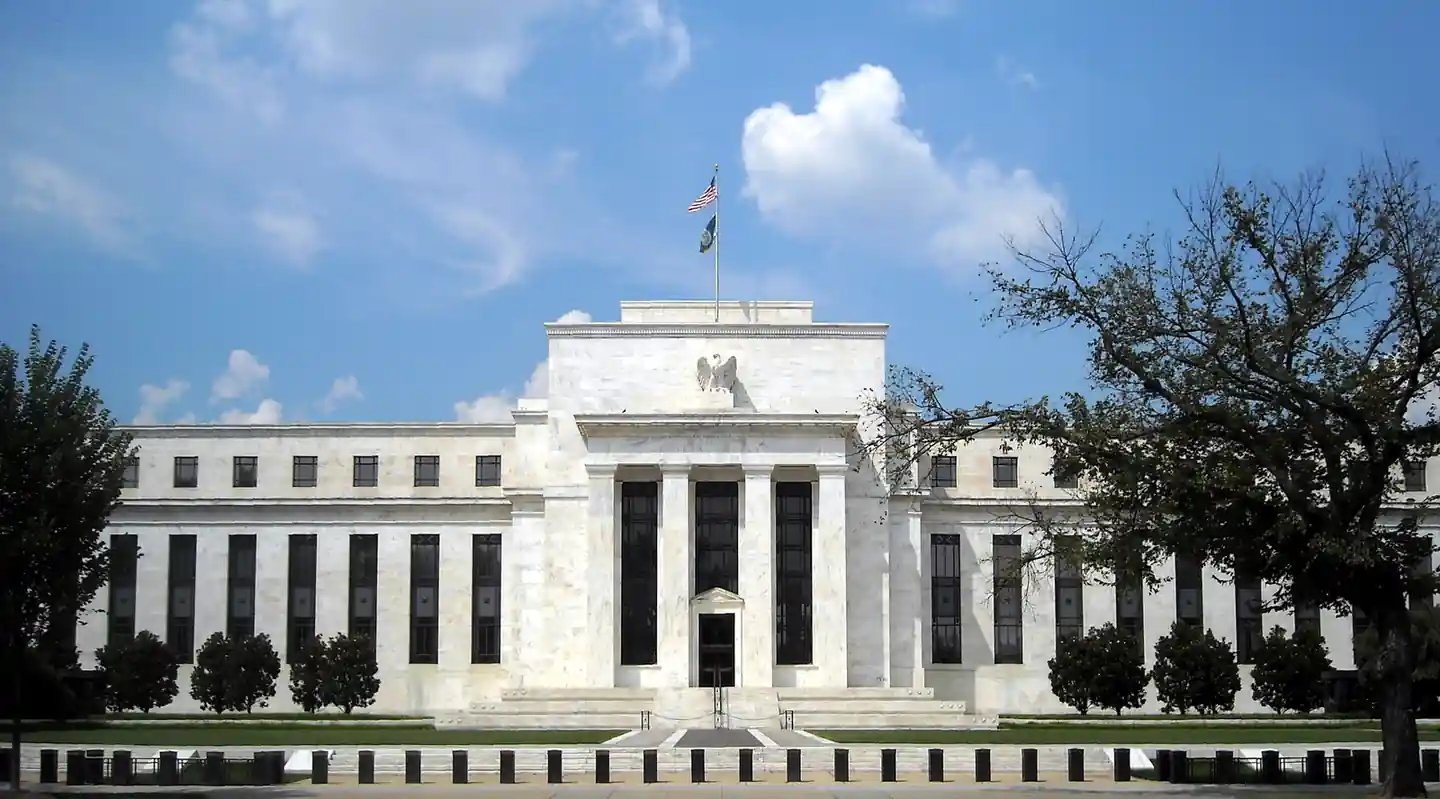
The U.S. economy added 162,000 jobs in August 2026. The unemployment rate held at 4.1%. Those two numbers are now at the center of a debate about what the Federal Reserve does next with interest rates.
Average hourly earnings rose 10 cents, or 0.3%, in August, bringing the figure to $37.75. Year over year, wages were up 3.1%. Food services and drinking places led hiring with 59,000 new jobs. Local government education added 42,000.
The next Federal Reserve Open Market Committee meeting — the committee that sets the federal funds rate — is scheduled for September 15 and 16, 2026.
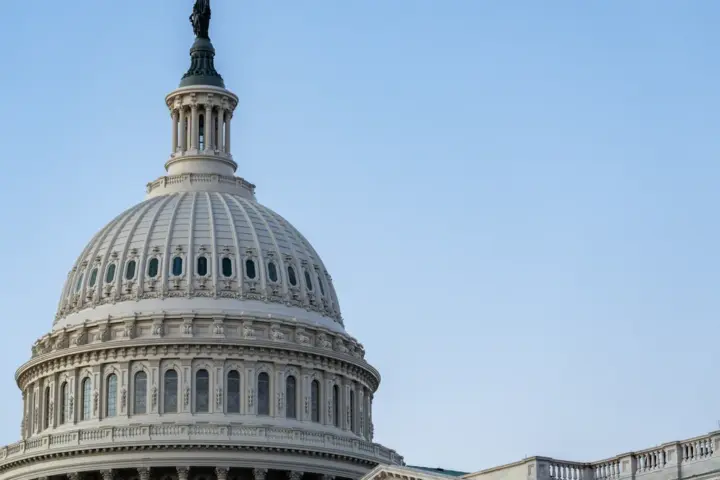
President Trump, responding to the jobs report, called on the Federal Reserve to cut interest rates and threatened to stop trading with countries with which the U.S. runs a trade deficit unless rates were lowered. But the Federal Reserve operates independently of the White House. Presidential statements about rate policy are common, but the Fed makes its own decision based on economic data.
Fed Governor Christopher Waller gave a clearer read of where the Fed’s thinking actually stands. Speaking on September 3, Waller said that if inflation data continued to improve, he would be inclined to support holding the federal funds rate at its current level — not cutting it. He also said that a hotter-than-expected inflation reading could lead him to consider a rate increase.
That matters because inflation has not fully come down. July PCE inflation — the measure the Fed most closely watches — came in at 3.7% year over year. Core PCE, which strips out food and energy, was 3.3%. Both remain above the Fed’s 2% target.
Waller noted that real GDP grew at a 1.8% annual rate in the first half of 2026. He described the labor market as stable but emphasized that inflation remains the key uncertainty.
So the picture heading into the September meeting is this: solid jobs growth, persistent inflation above target, and a Fed governor who sounds more cautious than eager to move rates in either direction.