 Rahul Somvanshi
A United Nations assessment identified approximately 770 million people—roughly one in ten globally—living in coastal areas less than five meters above high-tide lines. The report specifically highlighted Mumbai, Kolkata, and Dhaka as vulnerable low-lying South Asian cities facing accelerating risk from rising seas.
Here’s what matters: sea-level rise isn’t just “more water entering the ocean.” Multiple factors combine to create the threat.
Global sea levels rose 5.9 millimeters in 2024, the highest annual increase recorded in satellite observation history. Between 2014 and 2023, the average rise was about 4.7 millimeters per year. These aren’t trivial amounts when compounded across decades.
Two primary mechanisms drive this rise. Warming seawater physically expands, taking up more space. This thermal expansion accounts for a substantial portion of observed rise. Melting glaciers and ice sheets from Greenland and Antarctica contribute freshwater volume to the ocean. The UN identifies both warming waters and melting glaciers and ice sheets as the primary drivers of this acceleration.
But here’s where it gets complicated for specific cities. Sea-level rise isn’t uniform globally. The bigger challenge for Mumbai and Kolkata is compound risk: sea-level rise plus land subsidence. In the Ganges-Brahmaputra delta where Kolkata sits, the land itself is sinking due to the weight of sediment and natural compaction processes in deltaic regions, compounded by groundwater extraction. From the perspective of someone living there, the sea isn’t just rising. The ground is also dropping. These two forces combine to increase the relative sea-level change experienced locally.
Add tropical cyclone storm surges. The Bay of Bengal and Arabian Sea generate intense cyclones that push large water masses toward shore. When storm surge combines with already-rising sea levels and subsiding land, inundation risk becomes more severe.
The numbers from the UN report are striking. More than 14 million people in Dhaka, Mumbai, and Kolkata risk losing their homes, livelihoods, and lives. That’s not “everyone in these cities.” It’s the populations in the lowest-lying areas most vulnerable to permanent or regular flooding. The UN says coastal infrastructure damage already exceeds $1.8 trillion—reflecting the scale of losses already occurring along global coastlines exposed to rising seas.
The question “Will Mumbai be underwater?” requires careful answering. The UN report doesn’t predict Mumbai suddenly vanishes beneath waves. It identifies Mumbai as a low-lying coastal city facing increasing flooding risk, displacement potential, and infrastructure vulnerability. That’s different from permanent inundation.
Seasonal high-tide flooding may increase over time. Monsoon-driven rainfall during high-tide conditions could place greater stress on drainage systems as sea levels continue rising. Storm surge from cyclones may penetrate farther inland as baseline water levels increase. Saltwater intrusion can affect freshwater aquifers and agricultural productivity in low-lying coastal areas.
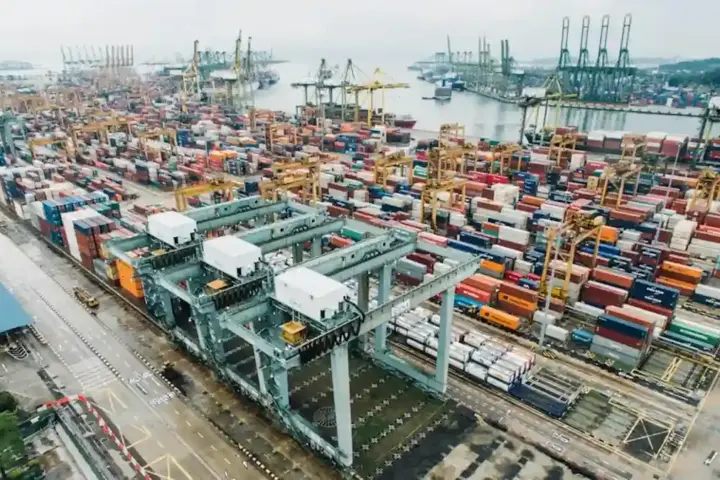
India’s coastal economic centers—where ports, industries, and dense urban populations concentrate—sit directly in the vulnerable zone. The risk isn’t dramatic overnight change. It’s gradual, worsening pressure on infrastructure and livelihoods that builds over the coming decades.
—