 Tejal Somvanshi
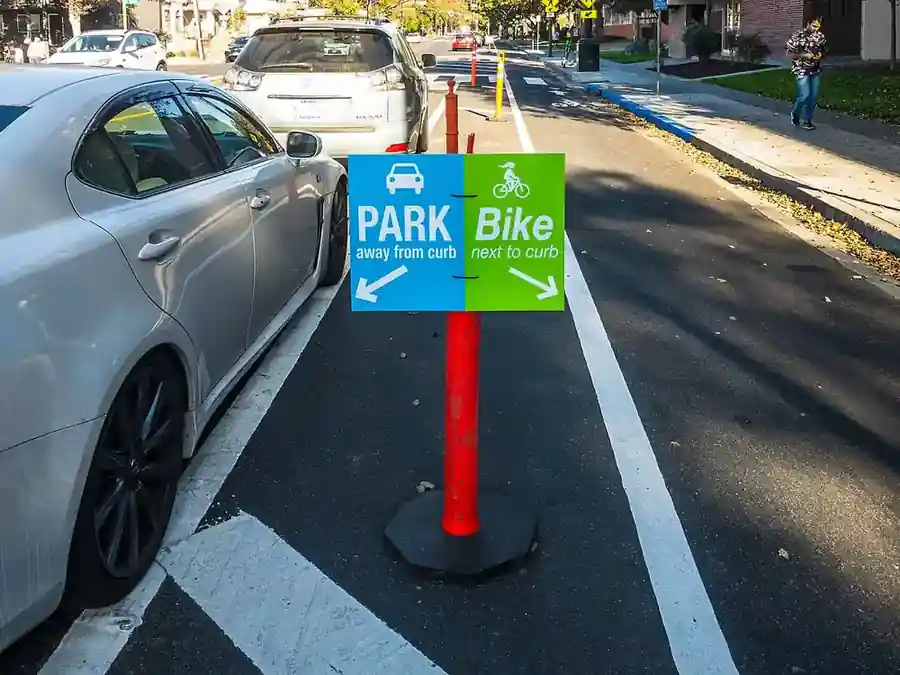
Walking or biking your kid to school in San Francisco sounds simple. The reality is that only 37 out of 249 schools — roughly 15% — are currently connected to the city’s established biking and rolling network for people of all ages and abilities.
That’s the opening number from the San Francisco Municipal Transportation Agency’s draft Safe School Connections plan, which aims to establish a safe and accessible connection from all 249 K-12 schools in San Francisco to the city’s biking and rolling network.
The math shows just how far there is to go. Another 57 schools, about 23%, are connected to a planned future network that doesn’t fully exist yet. Along with schools within one block of current and potential networks, 73 remaining schools are located farther out, requiring distinct custom routing solutions.
The reason the numbers vary by school is partly by design. For the 2026–27 school year, SFUSD continues to use a citywide-choice assignment system, and the district says many families travel across San Francisco to reach their schools.
What SFMTA is calling a “School Connector” is not just a painted bike lane. The draft approach includes a toolkit of possible measures, including traffic calming, speed humps, raised crosswalks, signage and other street-safety treatments, with the specific mix determined by local conditions.
SFMTA says connecting every school could take up to 10 years. The first schools in line are those already within one block of the existing or planned network — so progress will build outward from where the infrastructure is already closest.
The agency hasn’t been standing still in the meantime. It says it has already completed more than 40 school crossing improvements and removed sight-blocking objects from more than 2,300 school intersections, a process called daylighting. New 15-mph and 20-mph school zone speed limits have also been put in place.
The current draft is open for public comment until September 30, 2026. After that, SFMTA expects to present the final approach to its Board for approval by early 2027.
If you’re a parent, school employee, or neighborhood resident in San Francisco and you have specific intersections or routes you think need attention, the window to say so officially closes at the end of this month.
Related coverage: San Jose Leads Americas Greenest Cities 2025 Wallethub Rankings; California Sues Exxonmobil Accusing Company Of Misleading Publi