 Sunita Somvanshi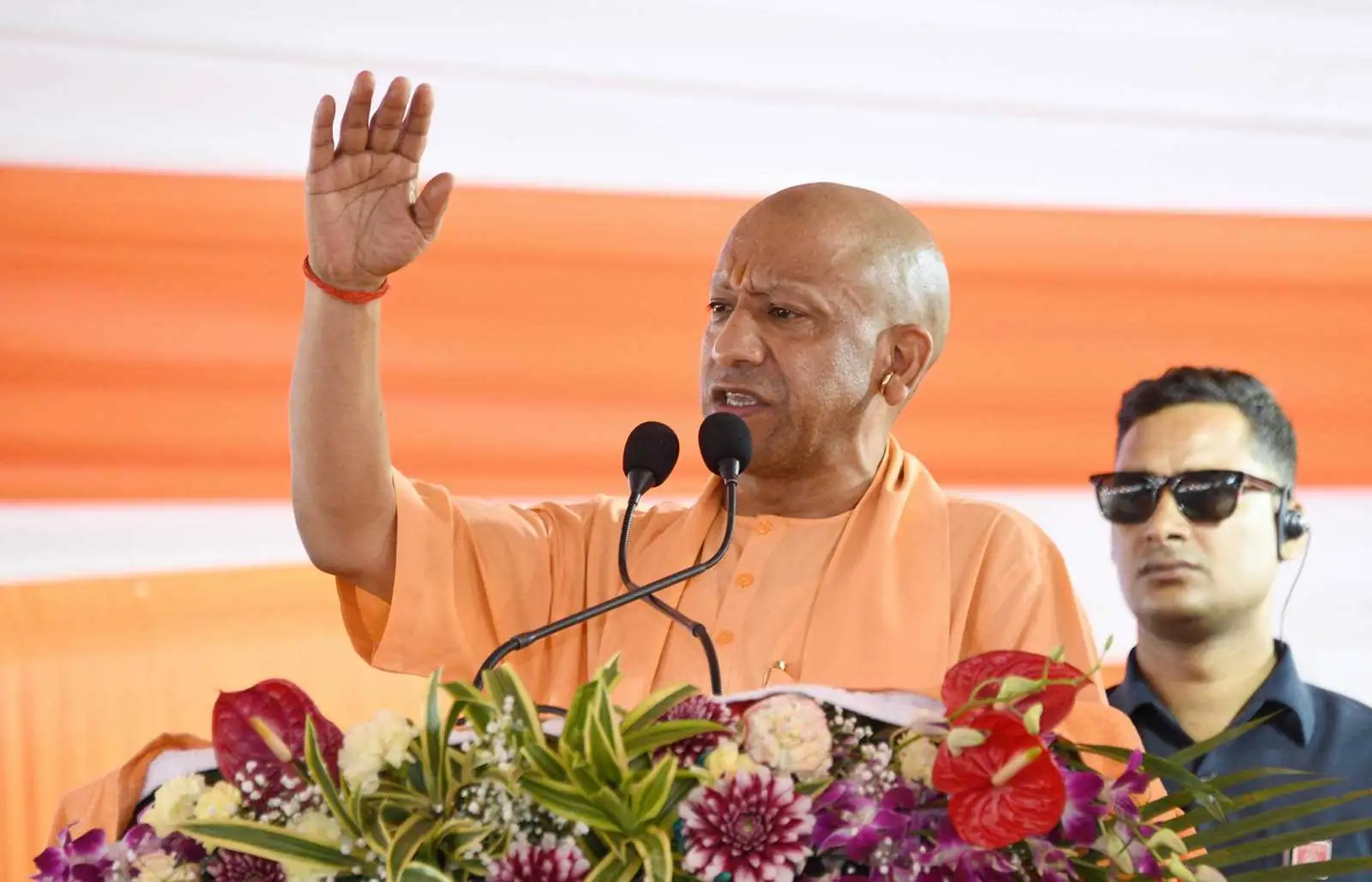
Uttar Pradesh formally launched the Uttar Pradesh Corporation for Outsource Services (UPCOS) on September 2, 2026, at Lok Bhawan in Lucknow. The corporation, registered as a non-profit public limited company under the Companies Act 2013, covers approximately 3.5 lakh (350,000) contractual and outsourced workers across state departments, government agencies, and universities.
UPCOS is not regularization. It is not converting outsourced workers into permanent employees. What it is: a centralized system designed to standardize wages, ensure statutory compliance, and reduce payment delays that have plagued outsourced employment in the state.
The wage structure under UPCOS is ₹16,000 to ₹20,000 per month, with classifications into skilled and semi-skilled categories. The workable month is set at 26 billable days, and employment arrangements run on three-year term contracts. Salary is distributed electronically directly to worker bank accounts, with remuneration required to reach workers by the fifth of each month. This schedule differs from the erratic disbursement patterns that prompted the creation of UPCOS—workers in some departments had experienced months-long delays.
Statutory compliance is now tracked centrally. UPCOS mandates coverage under the Employees’ Provident Fund (EPF), Employees’ State Insurance (ESI), and accidental insurance. Previously, outsourced workers often fell through administrative gaps where these benefits were not deducted or submitted correctly. Centralization aims to close those gaps.
Additional benefits promised include medical facilities, maternity leave, accident insurance, pension, and family pension. The government also instituted a ₹15,000 ex-gratia payment for funeral assistance if a worker dies while employed.
Why create this new corporation? The government documented persistent complaints: arbitrary deductions from salaries, late payments stretching months, lack of EPF and ESI compliance, inadequate benefits, inconsistent commission structures, and violations of reservation policies. Some of these issues stemmed from fragmented hiring across departments, each with different contractor arrangements.
The UPCOS portal and website launched alongside the corporation, creating a digital front-end for workers to track grievances, view salary payments, and access information about benefits. This transparency mechanism is intended to prevent the kind of hidden deductions and undisclosed payment delays that characterized outsourced work previously.
The critical test is implementation. Creating a corporation and announcing policies is the easy part. Actually processing 3.5 lakh worker payrolls reliably, tracking EPF/ESI contributions correctly, and responding to grievances within a reasonable timeframe requires institutional capacity. Workers should track whether salary arrives on schedule, whether statutory deductions are correct and tracked, and whether the transparency mechanism actually functions.
UPCOS represents a structural reform. It is not a wage increase or a path to permanent employment, but it is an attempt to bring order to a system that has historically been chaotic and unpredictable for outsourced workers.