 Rahul Somvanshi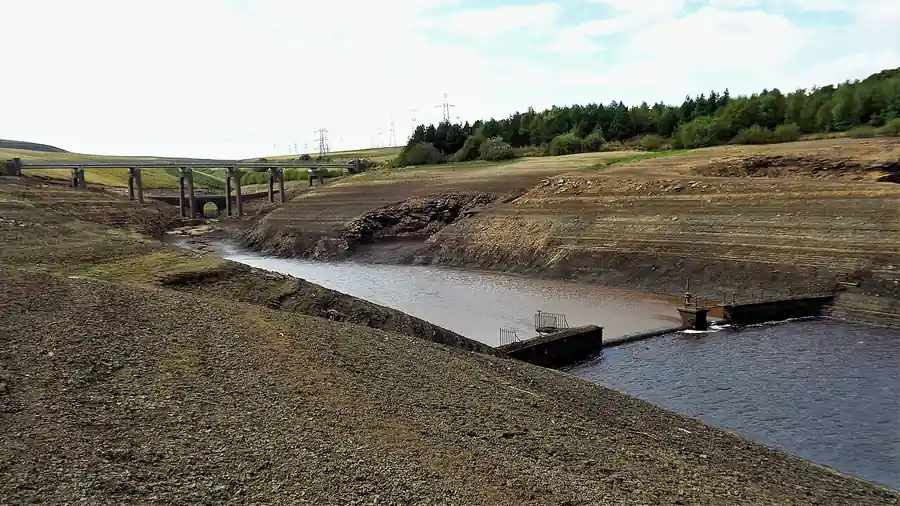
Sixty days without a drop of rain. Then the forecast finally changes. But will it be enough to end the drought?
Large parts of England and Wales remain gripped by drought conditions as a significant weather system moves in this week. While forecasters promise rain and cooler temperatures, experts warn that weeks of above-average rainfall will be needed to reverse months of dry conditions that have already strained water supplies and damaged crops.
The scale of the current drought is stark. Wisley in Surrey has recorded no rainfall for 55 consecutive days. Across most of England and Wales, soil moisture levels have dropped to concerning levels. On Saturday, southern England peaked at 30.6 degrees Celsius, marking the 35th day this year when temperatures have exceeded 30 degrees—a sign of the prolonged heat that has accompanied the dry weather.
“The pattern has been relentless,” said a Met Office spokesperson. High pressure systems have dominated the weather for weeks, pushing rain-bearing weather systems north and keeping conditions hot and dry across southern Britain. That pattern is finally breaking.
The change arrives this week as low pressure replaces the high. Monday will bring light rain to northern parts of the UK. Heavier rain is expected across southern England on Tuesday and Wednesday, potentially delivering more substantial moisture to the driest regions.
However, rain itself is only part of the answer. By the end of the week, temperatures will have dropped 2 to 4 degrees Celsius below average, with some overnight lows reaching as low as 3 degrees Celsius in places. The cooler spell and rain combination will ease conditions, but the rainfall expected this week is unlikely to resolve the drought on its own.
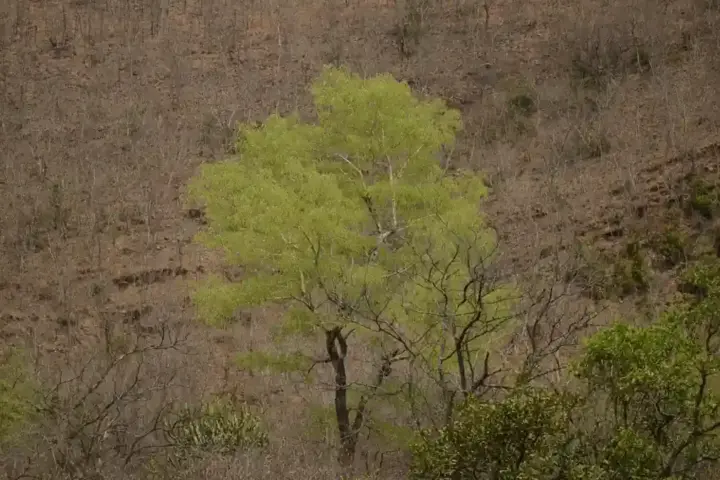
Water companies have already implemented restrictions in some areas, asking customers to cut usage. Farmers have reported stunted crop growth. Gardens and green spaces across the south have turned brown. Rivers and reservoirs, depleted by months without rain, require sustained replenishment.