Sunita Somvanshi
Uttar Pradesh Hikes Ration Dealer Commission by 39%—Here’s What It Means
Uttar Pradesh Chief Minister Yogi Adityanath has increased the commission for fair price shop dealers from ₹90 to ₹125 per quintal—a jump of ₹35 per unit. The hike, which represents a 38.9% increase, is expected to benefit over 78,000 ration dealers (known as kotedars) across the state.
The commission increase comes as the UP government pushes to improve the working conditions of shop owners who manage the public distribution system. Alongside the salary hike, the state has launched an e-PoS feedback system to monitor service quality and streamline operations at fair price shops.
“Those who failed to bring changes are now criticizing,” Yogi said at the announcement, appearing to reference criticism from opposition parties. Deputy Chief Minister Keshav Prasad Maurya and Brajesh Pathak were present at the event.
The Bigger Picture
The commission increase is part of a broader modernization effort in UP’s ration distribution network. The state has allocated ₹500 crore toward “Annapurna Bhavan” infrastructure, which will support the distribution of 39 types of items through fair price shops. This expands beyond traditional grain items to include pulses, oil, salt, and other staples.
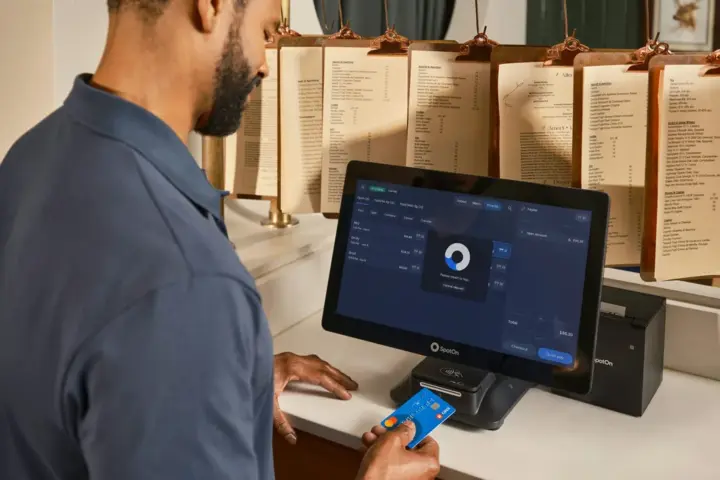
The e-PoS (electronic Point of Sale) system, introduced in UP back in 2017, now works alongside the commission hike. The system digitizes transactions at ration shops and enables single-stage door-step delivery of grains to consumers.
A Shift in Dealer Relations
For ration dealers, the increase is recognition of their role. According to state officials, dealers have moved from facing “verbal abuse” in villages to being “respected” for their work. The claim is backed by a striking statistic: UP reports that ration-related complaints have dropped from around 300 per 1,000 petitions to effectively zero.
However, the state’s zero-complaint figure requires context. While it may reflect improvements in service delivery, such figures are rarely verified independently and often depend on how complaints are tracked and reported.
What About Further Increases?
The UP government has written to the Centre requesting an additional ₹25 per quintal hike, which would bring the total commission to ₹150 per quintal. It remains unclear whether or when the state might implement this request. Such a move would require additional state funding.
Why This Matters
For a state with 78,000+ ration shop dealers, a commission increase directly affects their monthly income and working conditions. Fair price shops are a backbone of India’s public distribution system, supplying subsidized grain to millions of low-income families. When dealers are better compensated, the logic goes, service improves.
The timing of the increase also suggests the UP government is prioritizing this segment ahead of upcoming political cycles. Whether the e-PoS system and infrastructure investment will translate into real improvements in rural food security remains to be seen.
The Road Ahead
The state’s push to modernize ration distribution through technology and better dealer compensation represents a shift in approach. Whether these changes will sustain depends on implementation and funding over the coming years.
—
Word count: 387 words