Karmactive Team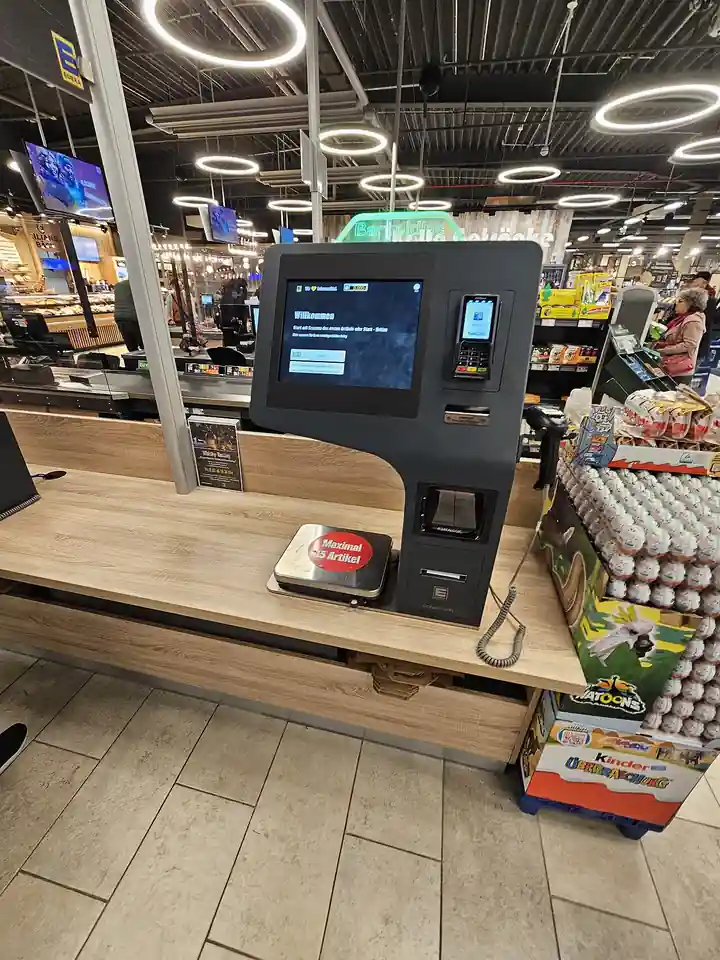
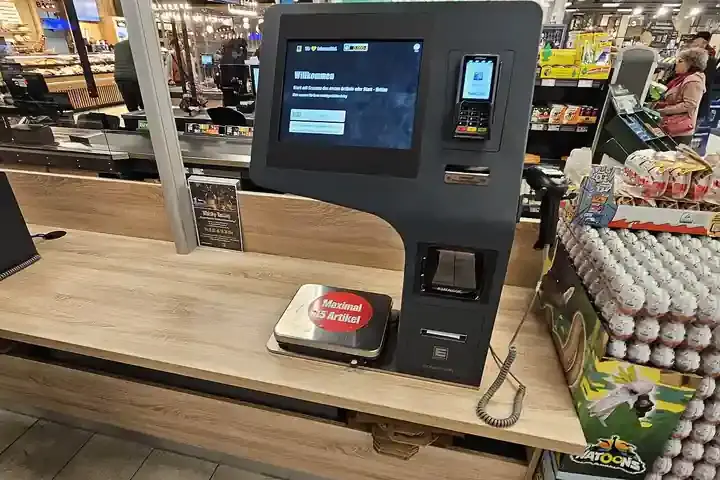
Matt Arnold just wanted to buy some groceries. On August 6, the 46-year-old walked into his local Sainsbury’s in East Dulwich, London, scanned his items at the self-service till using his Nectar loyalty card, and left. A routine shopping trip. Except it wasn’t. Unknown to him, Sainsbury’s facial recognition system had flagged him as a suspected shoplifter.
The technology, suspended just days later, represents the cutting edge of retail surveillance. Yet Arnold’s case illuminates a problem far more complex than a simple technical failure. When Sainsbury’s blamed “human error” for the mix-up, the company sidestepped a more troubling question: What happens when AI makes the error, but we blame the human?
Sainsbury’s has tested facial recognition technology in partnership with tech companies at select locations, including East Dulwich. The system was designed to identify shoplifters by cross-referencing customer faces against a database of known offenders. On the surface, it sounds straightforward: match faces, catch criminals, protect profits. In practice, it raises profound questions about accuracy, consent, and the speed with which retailers are adopting surveillance technology without fully understanding its limitations.
The suspension followed headlines highlighting Arnold’s case, but the real scandal may not be the single false positive. It’s that Sainsbury’s appears to have had no public data on how often its system generates false alarms. This silence is deafening. No official data on false positive rates exists—the silence itself is telling. What might a retail system with minimal public accountability achieve?
The regulatory framework governing this technology should offer reassurance, but it reveals gaps. The UK’s Surveillance Camera Commissioner maintains oversight of CCTV and facial recognition deployments, while the Information Commissioner’s Office enforces GDPR Article 9, which restricts processing of biometric data without explicit consent. Yet consent is often buried in terms and conditions that few customers read. Sainsbury’s never asked Matt Arnold whether he agreed to be scanned. He was simply subject to it.
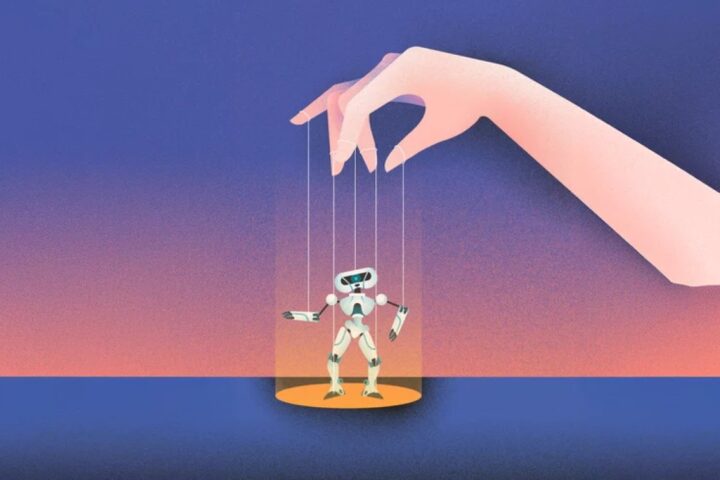
Here lies the distinction Sainsbury’s carefully avoided. The company called the incident “human error,” but whose error? The AI system triggered the false alert. A human staff member presumably acted on it. Sainsbury’s framework suggests that once a human decides to act on an AI recommendation, responsibility shifts away from the technology and towards individual judgment. This is convenient but inaccurate. If an AI system generates alerts with high false positive rates, the system itself is the error.
The broader implications ripple across retail. If Sainsbury’s deploys unvetted facial recognition, so will competitors. If there’s no accountability when the system fails, there’s no pressure to improve it. For customers, the message is clear: your face is data, your identity is at risk, and the burden of proof lies with you if something goes wrong.
Sainsbury’s decision to suspend the technology at East Dulwich is a small victory for privacy advocates. But suspending a system isn’t the same as acknowledging the problem. Until retailers publish false positive rates, establish genuine consent mechanisms, and accept genuine accountability for algorithmic harm, Matt Arnold’s story won’t be an anomaly. It will be a preview of the future. And on that point, at least, Arnold and Sainsbury’s might agree.