 Sonali Tiwary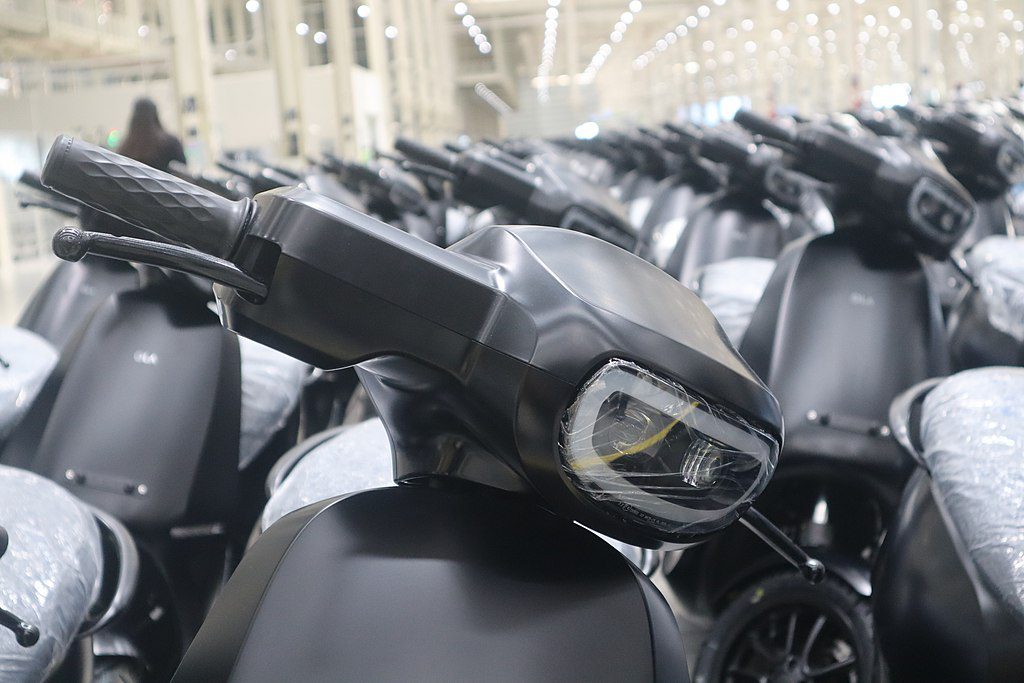
Ather Energy is launching the Konarc on August 29, 2026—a mass-market electric scooter priced between Rs 1 lakh and Rs 1.25 lakh that could reshape how millions of Indians commute. Unlike expensive premium models that target wealthy buyers, this scooter targets the daily commuter segment where price matters as much as performance.
The Konarc is built on Ather’s new EL platform, developed after analyzing 26 lakh kilometers of real-world riding data. This means engineers weren’t guessing about what commuters need. They measured actual riding patterns, terrain challenges, and usage requirements across India before designing the platform.
What’s a platform? Think of it as the foundation that multiple scooter models can share. Ather designed the EL platform to accept battery packs ranging from 2 kilowatt-hours to 5 kilowatt-hours. This flexibility means future Konarc variants can offer different range options at different price points. A student in Delhi might need 40-kilometer range for college commutes. A delivery person might need 80-kilometer range for full-day work. The same platform can serve both.
The Konarc features full steel unibody construction, a shift from Ather’s existing polymer designs. Steel is more durable for regular commuters who navigate potholes and rough roads daily. The scooter carries 14-inch front and 12-inch rear alloy wheels, larger than typical budget scooters, which should handle Indian road conditions better.
Why does this launch matter? Ather Energy already sells premium 450-series scooters at higher prices and family-focused Rizta models. The Konarc fills the value gap. It targets the high-volume market segment where affordability determines purchase decisions. India’s scooter market is massive—millions of students, office workers, delivery personnel, and daily commuters need personal transport. This segment currently buys from traditional scooter makers. Ather wants to convert these buyers to electric scooter options.
The battery-as-service model being considered adds another angle. Instead of paying Rs 1.2 lakh upfront with Rs 30,000-40,000 for the battery, buyers might pay Rs 70,000 for the scooter and Rs 500-1,000 monthly for battery access. This removes the battery cost barrier for budget-conscious families. For Ather, it creates recurring revenue and ensures battery recycling at end-of-life.
Production has already commenced at Ather’s manufacturing facility. The company released multiple teaser images showing the Konarc’s production-ready design. It looks practical rather than flashy—exactly what daily commuters need. The design closely follows the EL01 concept unveiled at Ather Community Day 2025, which was always intended to become a production model.
The launch on August 29 will reveal key details currently unknown—exact specifications, battery options, real-world range claims, features retained in entry-level variants, and delivery timelines. For a company accustomed to selling premium products, this represents a strategic pivot toward volume sales.
Market implications are significant. If the Konarc is priced competitively and performs reliably, it could capture market share from traditional two-wheeler makers. Electric mobility still represents a small percentage of India’s vehicle market, but growth is accelerating. Affordability has been the biggest barrier. A quality scooter below Rs 1.5 lakh addresses this barrier directly.
For commuters tired of fuel prices, pollution, and maintenance costs of petrol scooters, the Konarc offers a practical alternative. For Ather, it’s the difference between remaining a niche premium player and becoming a mainstream manufacturer.
—