 Rahul Somvanshi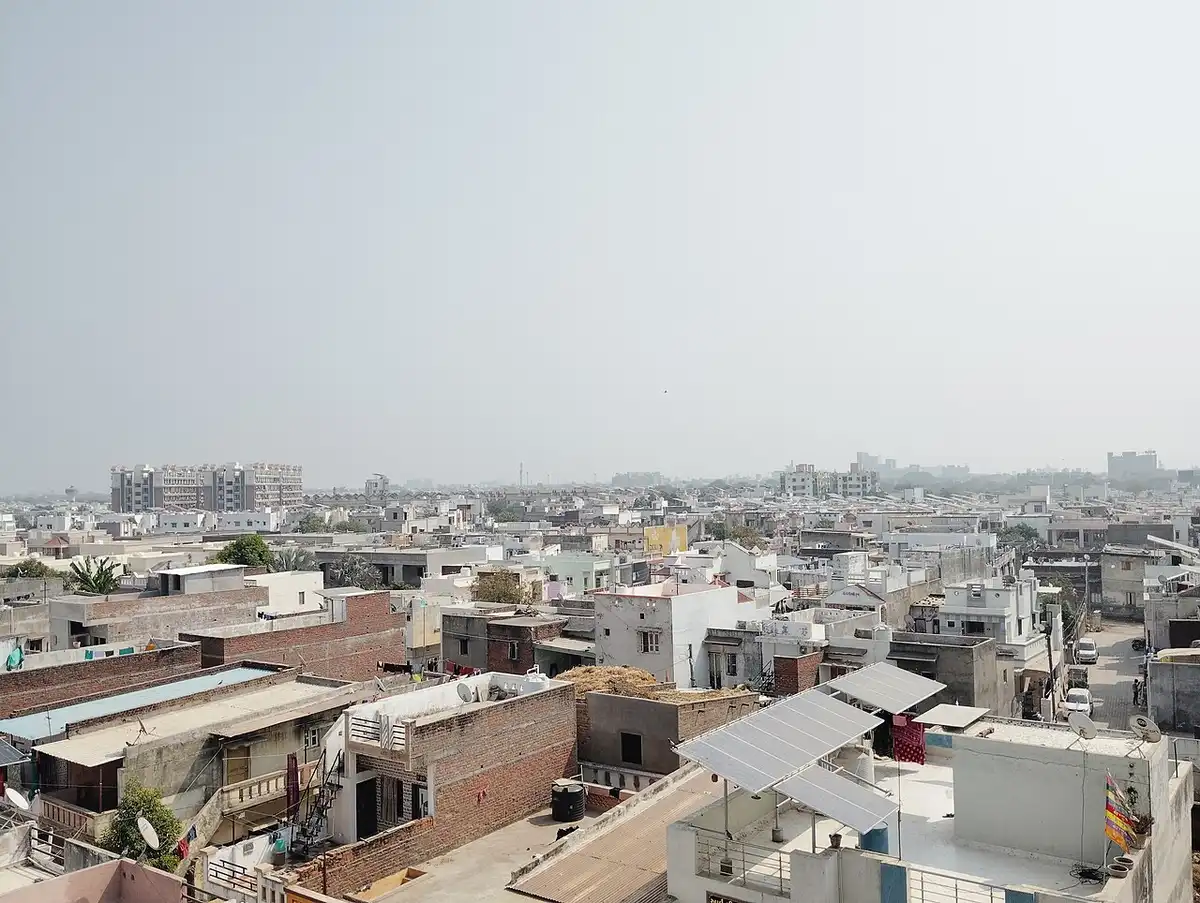
Estimated reading time: 2 minutes
Delhi’s rooftop solar installation program achieved substantial growth as residential consumers increasingly adopted distributed solar generation reducing electricity grid dependence and lowering household energy costs. Government subsidies and improving solar technology economics drove adoption across income levels.
Program statistics: Approximately 2.5 lakh (250,000) rooftop systems operational by mid-2026, generating approximately 750-900 megawatts peak capacity. This deployment represented 15-18 percent of Delhi’s peak summer electricity demand. Target trajectories projected 1 million installations by 2027 with 3,000+ megawatts peak generation.
System economics favored residential adoption. Cost reduction in solar panels and inverters decreased total system costs to approximately ₹60,000-80,000 per kilowatt of installed capacity. A typical 3-kilowatt residential system cost ₹1.8-2.4 lakh. Electricity cost savings of ₹2,300-2,800 monthly offset system costs within 6-8 years of operation.
Government subsidies covered 40-60 percent of system costs through various programs administered by Delhi Renewable Energy Authority. SECI (Solar Energy Corporation of India) loans offered financing at 5-7 percent interest, considerably below commercial rates. Monthly EMI for ₹1 lakh loan over 10 years equaled roughly ₹1,060. Against ₹2,300+ monthly bill reduction, net positive cash flow began immediately.
Installation timeline: Application → MSEDCL inspection → Approval → Installer assignment → Installation → Grid connectivity → Net-metering activation. Delays typically occurred in electricity board grid connection approval during peak seasons, with backlog extending 1-2 months.
Manufacturer list: Approved panel manufacturers included Adani, Tata Power Solar, JA Solar, Risen Energy. Inverter suppliers included Sungrow, Fronius, Huawei, ABB. Warranties typically covered 10 years hardware plus 25-year output guarantee (minimum 80 percent degradation tolerance).
State comparison: Maharashtra and Karnataka offered similar policies with slightly lower subsidy levels (55-60 percent). Tamil Nadu led adoption with 7+ lakh rooftop installations. Delhi targeted 1 million installations by 2027, currently at approximately 2.5 lakh operational systems.
Environmental impact: Each 3-kilowatt system avoided 3-4 tonnes CO2 annually, equivalent to planting 200 trees. Delhi’s 2.5 lakh systems aggregated to 750-900 tonnes annual CO2 reduction—modest against citywide emissions but representing growing contribution.
System reliability and performance tracking improved through digital monitoring platforms enabling real-time performance assessment. Users monitored generation, consumption, and grid feed-in through smartphone applications. This transparency incentivized optimal system maintenance and usage patterns.
The rooftop solar program represented Delhi’s transition toward distributed renewable generation complementing centralized power infrastructure. Continued growth depended on maintaining subsidy support, improving grid integration management, and addressing technical challenges of managing increasing distributed generation proportion.
—