The Plastic Nobody Could Recycle for 50 Years Just Passed Europe’s Toughest Food Safety Test
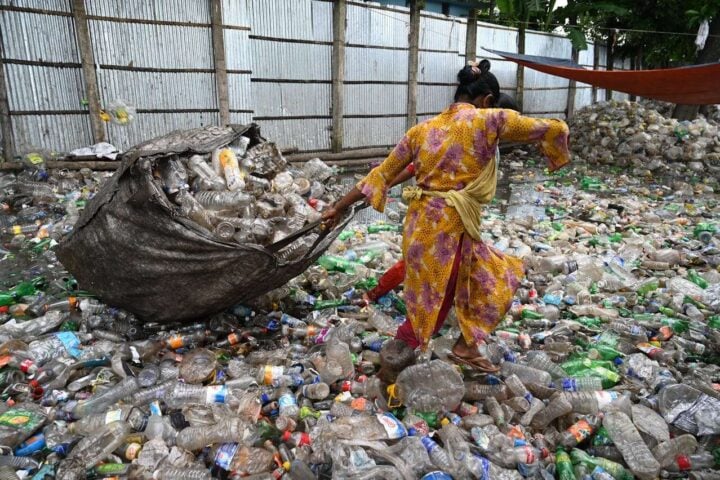
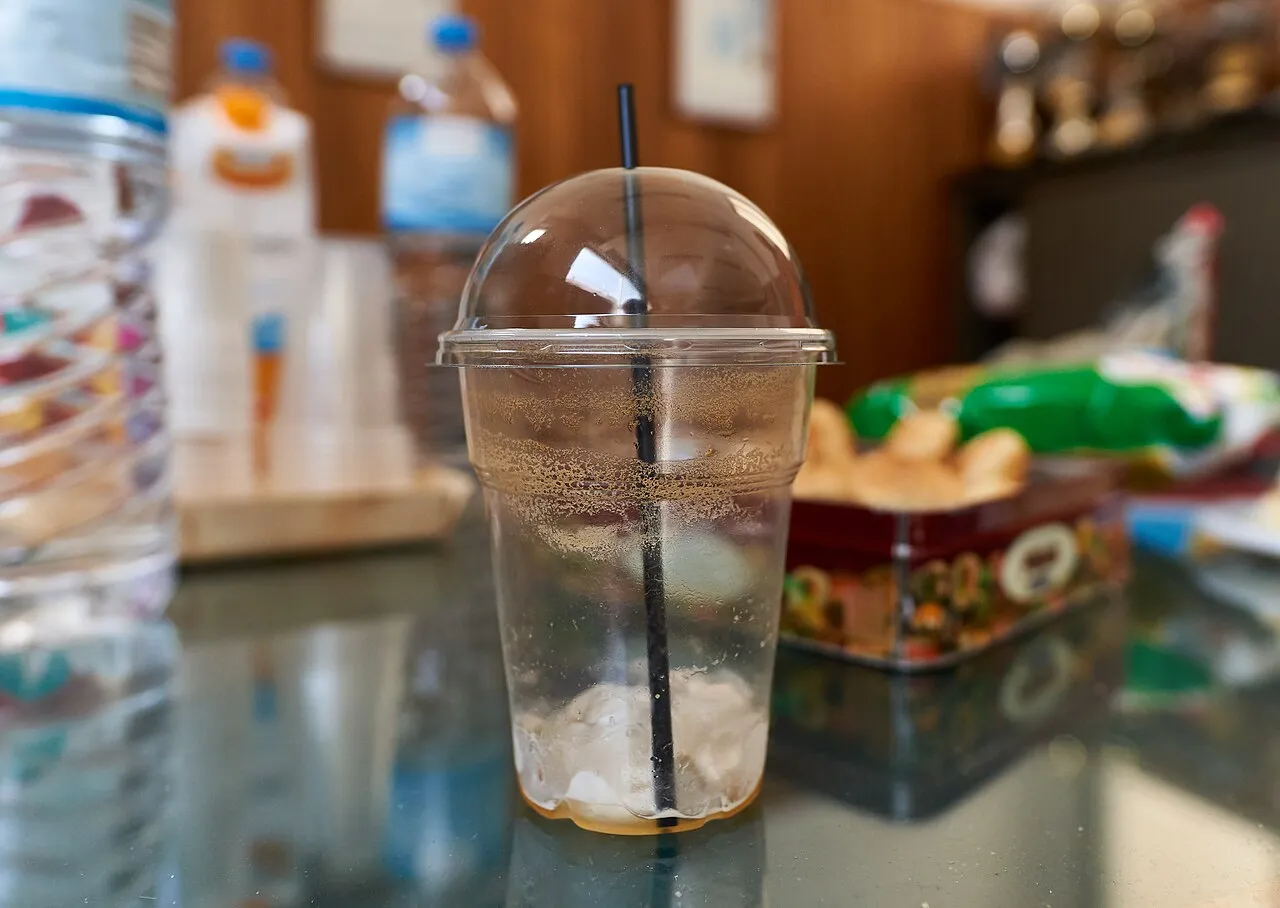
Plastic cups gathered from coastal communities in East Kalimantan, Indonesia — each one a candidate for food-safe BOPP film under the Prevented Ocean Plastic programme. Replace with official Prevented Ocean Plastic press image before publishing. Image: Wikimedia Commons / CC BY-SA 2.0
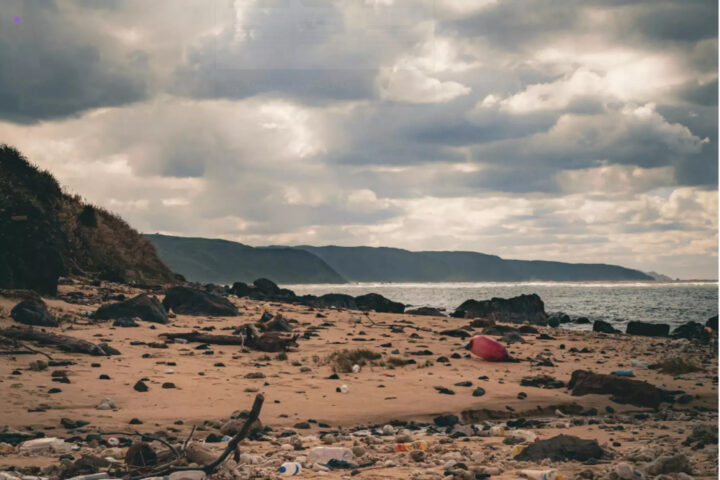
Polypropylene has been a plastics-recycling impasse since the material entered mass production in the 1950s. It accounts for roughly 19% of global plastic output — close to 80 million tonnes a year — and shows up consistently among the most common buoyant plastics found in ocean and coastline pollution surveys. Yet despite that volume, the post-consumer recycling rate for PP never broke 1%. The chemistry of food-contact contamination made it almost impossible to clean collected PP to the level regulators would accept back into packaging. That began to change in September 2025.
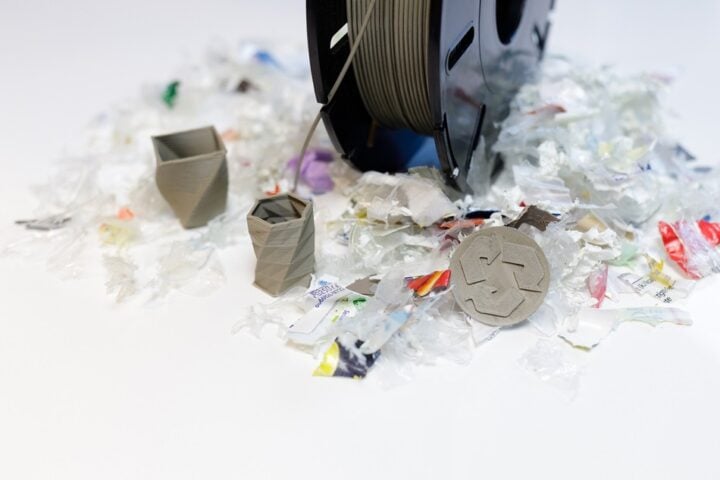
Prevented Ocean Plastic, the ocean-bound plastic certification programme owned by Bantam Materials UK, announced what the packaging industry had long treated as off-limits: the first polypropylene recycled to the European food-safe standard, made entirely from ocean-collected plastic. The achievement meets the requirements of EU Regulation 2022/1616 — the European framework governing recycled plastics in food contact applications — through that regulation’s provisional route for novel recycling technologies, while the long-form safety opinion for this specific process works its way through the European Food Safety Authority’s (EFSA) review pipeline.
Why Polypropylene Was the Plastic Everyone Gave Up On
Most recycling conversations centre on PET — the clear plastic in drinks bottles — because PET’s recovery chemistry is relatively established and the market for recycled PET is mature. PP is harder. Its lower density means it floats longer, absorbs more UV exposure, and by the time it is recovered from ocean-bound collection points, it carries volatile organic contaminants, odour compounds, and residues from its original contents — food oils, household chemicals, agricultural inputs. Standard mechanical recycling cannot strip these at the concentration level food-contact regulations require. Regulators across the EU have historically refused to approve recycled PP for any application where the material might contact what people eat or drink.
This is part of why the global circularity rate has slid to 7.2% despite years of recycling infrastructure investment. When a material composing roughly one-fifth of all plastic production sits outside viable recovery loops for food contact applications, it pulls the whole system’s numbers down. PP was embedded into packaging design by default — cheap, lightweight, heat-resistant — with no functional end-of-life solution ever following it into the supply chain.
How Ocean-Collected PP Becomes Food-Safe Packaging
Six steps — tap or click each one to expand.
Before This Process
- PP recycled at under 1% post-consumer rate
- Ocean-collected PP treated as contaminated waste
- No established EU route to food contact applications
- Material burned or landfilled in collection regions
- Brand owners unable to use ocean PP in regulated packaging
After This Announcement
- Documented pathway from ocean collection to food-grade resin
- 500M cups/year is the initiative’s first-year target feedstock
- EU Regulation 2022/1616 compliance confirmed via independent testing
- 90 local jobs at the Samarinda collection centre alone
- BOPP film brands can purchase certified rPP with full traceability
Plastic pollution, in UNEP’s own framing, is a crisis that demands action across the full lifecycle of plastic — from how it’s designed and produced through to its use, disposal, and recovery — with circular solutions for high-volume, hard-to-recycle materials seen as central to any credible way out.
— Paraphrased from UNEP’s published position on plastic pollution and the lifecycle approach, UNEP Plastic Pollution ProgrammeWhat 500 Million Cups Actually Means
Five hundred million polypropylene cups a year is the volume the initiative expects to keep out of the ocean in its first year, drawn substantially from collection infrastructure in East Kalimantan. The broader PP ocean contamination picture is considerably larger. Polypropylene enters ocean pathways from fresh produce packaging, takeaway containers, caps and closures, industrial strapping, and airborne microplastic deposition to ocean surfaces. The cup figure reflects what current collection infrastructure is built to recover; it is a starting target, not a ceiling on what the process could eventually handle.
The supply-side constraint has historically been demand: without an approved end market for ocean-recovered PP, collectors had limited commercial incentive to scale. A food-grade-compliant pathway creates a price signal. Companies like Starlinger, which manufactures the viscoZERO reactor hardware, now have commercial reason to expand processing capacity. Bantam Materials has a verified product it can offer European packaging buyers at a specification they can independently confirm against the regulatory testing record.
For context on where this fits in the packaging industry: major food and beverage brands have recently walked back reuse targets, increasing pressure on recycled content as the remaining scalable pathway to reduced virgin plastic use. An ocean-sourced, food-contact compliant rPP supply addresses that gap directly — provided collection infrastructure in Southeast Asia expands in step with brand commitments.
Fifty Years in the Making: A Timeline
Four Things Worth Knowing as a Consumer
The Microplastic Connection
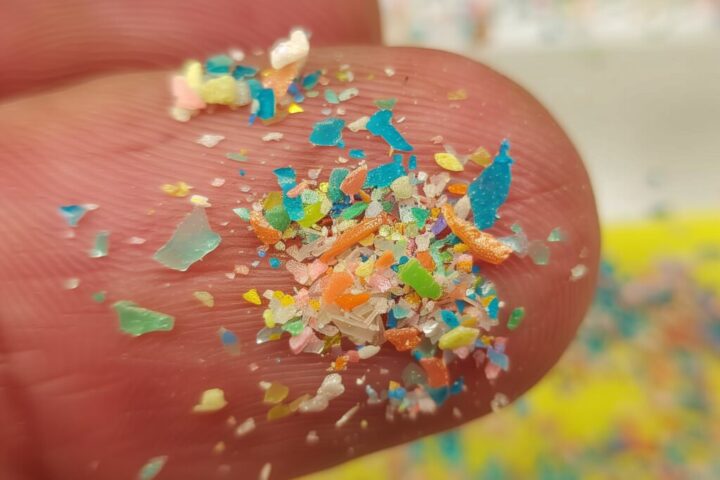
PP that enters the ocean does not remain as intact cups and packaging for long. UV exposure and wave action break it into fragments that, at microplastic scale, enter atmospheric circulation patterns and are ingested across the food chain. Research covered previously at Karmactive has confirmed that disposable cups alone release millions of nanoparticles into liquids. Removing the intact material from ocean-bound pathways before it fragments stops that degradation sequence at the source.
Comparisons with other recycling progress are useful for scale. Advances in polystyrene recycling have addressed another material with poor post-consumer recovery, but polystyrene’s overall ocean volume is considerably lower than PP’s. Polypropylene’s roughly 19% share of global plastic production, combined with its prominence in marine debris studies, presents a recovery gap that, if left open, continues to compound the microplastics load already documented in marine and atmospheric systems.
In Summary
Prevented Ocean Plastic’s ocean-collected polypropylene has met the requirements of EU Regulation 2022/1616 via that regulation’s novel-technology testing route, becoming the first ocean-bound PP to reach the European food-safe standard for food-contact applications. The material comes out of Starlinger Viscotec’s viscoZERO melt-phase process, which holds melted PP under prolonged high heat and deep vacuum to remove volatile contaminants at the polymer level — the technical step that prior recycling approaches could not achieve at the purity level food-contact use demands.
The initiative targets 500 million cups a year in its first year of operation, drawing on collection infrastructure in East Kalimantan, Indonesia, where Prevented Ocean Plastic’s Southeast Asian programme has operated since 2020 and where a dedicated Samarinda aggregation centre, opened with Danone’s Aqua brand in 2024, employs 90 local workers. Certified rPP is entering European supply chains as BOPP flexible film — the format used in snack wrappers and fresh produce packaging — giving brand owners a traceable recycled-content option in this material category for the first time.
Polypropylene had a post-consumer recycling rate of under 1% before this pathway was in place, against annual global production of roughly 80 million tonnes. The compliance now on record covers one specific, verified production route from one collection region. Whether this route extends across other ocean-bound plastic collection areas in Southeast Asia and beyond depends on infrastructure investment, collection network expansion, and the outcome of the formal EFSA review still working through the regulatory pipeline.
Sources
- Prevented Ocean Plastic — World-first food-safe rPP for European markets (22 Sept 2025) — linked above
- Innovia Films — Announcing food-safe recycled polypropylene — linked above
- FoodBev Media — Danone and Prevented Ocean Plastic open collection centre in Indonesia
- Starlinger Viscotec — viscoZERO decontamination technology — linked above
- EFSA — Recycled plastics and food contact materials — linked above
- Circularity Gap Report 2023 — Circle Economy
- United Nations Environment Programme — Plastic Pollution — linked above