A New Mexico fossil found in 2005, misidentified for 12 years, is now Dinevenator robustus — a new troodontid genus that overturns the dinosaur family tree.
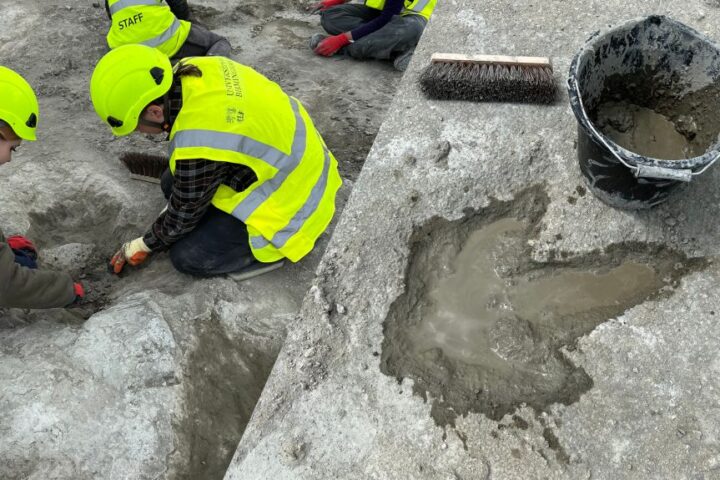
Science & Environment Huge Dinosaur Trackway in Oxfordshire: A 220‑Metre Sauropod Trail at Dewars Farm Quarry A continuous Middle Jurassic footprint line (~166 million years) has been mapped at Dewars Farm, with large sauropod prints (likely Cetiosaurus) and rarer three‑toed
Scientists have made a groundbreaking discovery by extracting proteins from 2.2-million-year-old teeth found in South Africa’s Swartkrans cave. For the first time ever, researchers
Scientists have discovered 140,000-year-old Homo erectus skull fragments on the seafloor between Indonesian islands, uncovering evidence of an ancient human landscape now hidden beneath
A remarkable fossil site in Canada has revealed one of history’s greatest dinosaur tragedies, where thousands of creatures died in a single catastrophic event 72 million years ago. Scientists working at Pipestone
Scientists at Colossal Biosciences have announced the birth of three genetically modified dire wolf pups, marking what the company calls “the world’s first successful de-extinction” of an animal species. The wolves, extinct
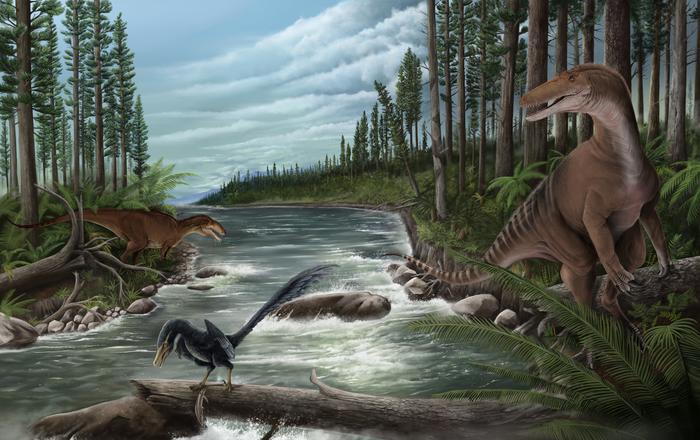
Scientists have found new dinosaur bones in Victoria that tell a surprising story about Australia’s ancient predators. These fossils reveal that the meat-eating dinosaurs that ruled ancient Australia differed from those on
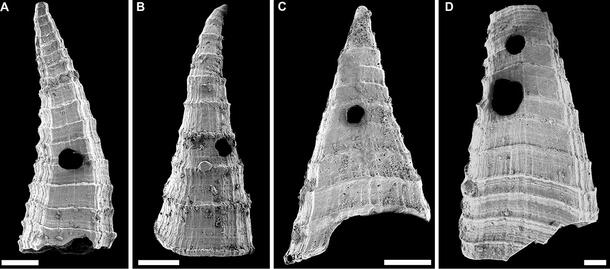
A groundbreaking discovery shows how the endless battle between predators and prey began 517 million years ago. This finding helps explain why animals today, from house cats to humans, have natural defenses
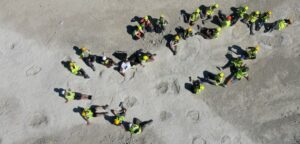
A construction worker’s keen eye has led to the discovery of Britain’s largest dinosaur trackway site, offering an unprecedented glimpse into life 166 million years ago. The find includes about 200 footprints
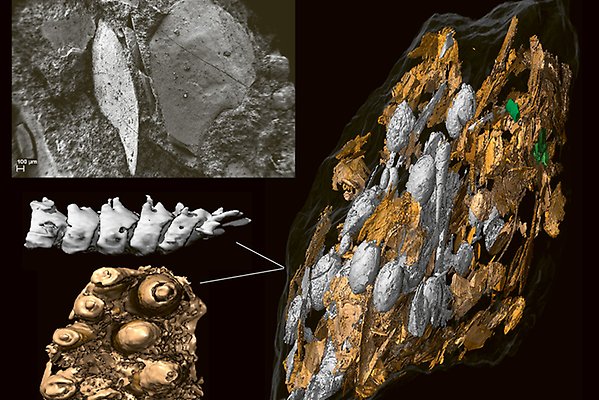
Scientists at Uppsala University have analyzed fossilized dinosaur dung (coprolites) using advanced synchrotron imaging technology, uncovering precise details about dinosaur dietary habits from 200 million years ago. The study focuses on the
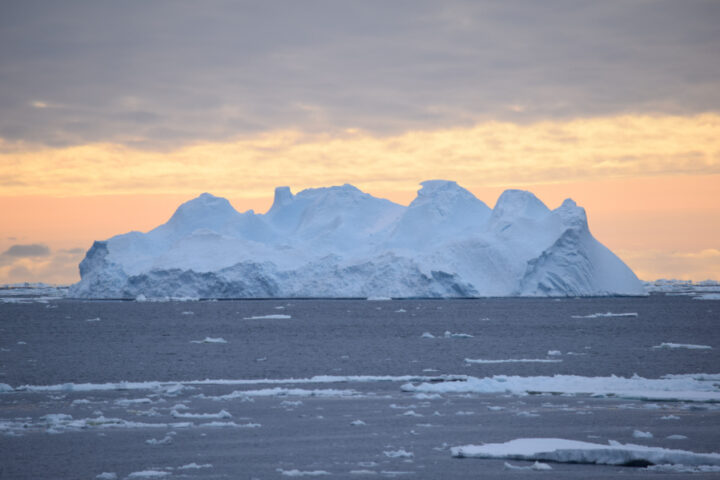
A 500,000-year fossil study of the Southern Ocean’s deep-sea ecosystem reveals critical insights into climate change impacts and potential risks of marine carbon removal technologies. The research, published in Current Biology, shows



 Govind Tekale
 Rahul Somvanshi