 Tista Karmakar
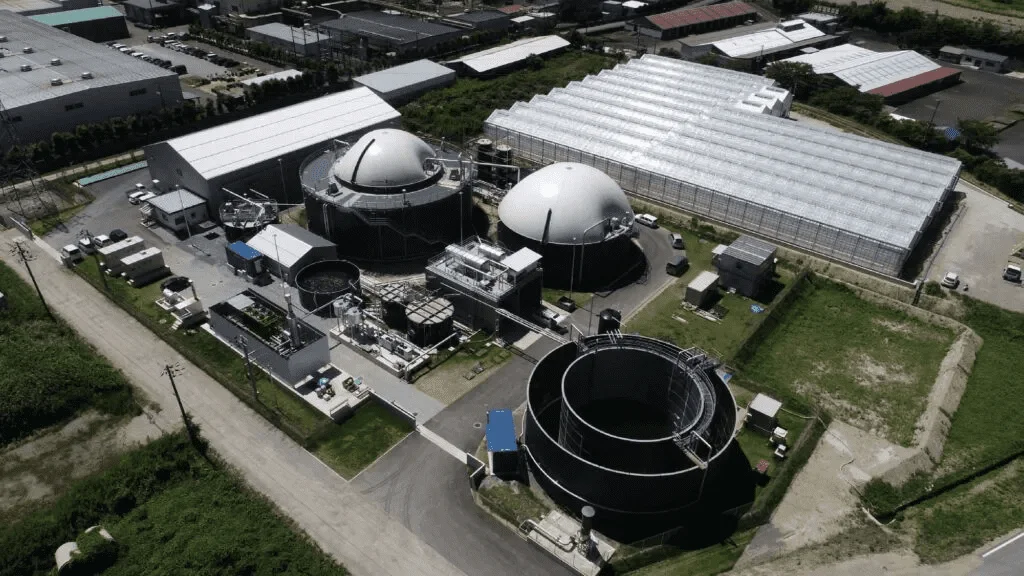
Japan is on its way to facilitating a new biogas harnessing power plant in Yabu City, Japan. Anaergia Inc., a global technology leader known for developing energy from municipal, industrial, and agricultural sectors will initiate the construction of the biogas facility in order to convert farm waste and food waste into renewable energy. Anaergia will use its advanced solid waste processing and wastewater treatment technology in Yabu City’s facility. Toyo Energy Solution Co. which is a subsidiary of Toyo Group recognized for diversified construction and real estate development organization will help in the construction and management of the entire biogas facility. This would eventually become one of Japan’s largest Biogas Power Plant.


In the biogas facility, organic feedstock collected via the country’s waste management system will be transformed into a renewable source of energy through anaerobic digestion. The facility is expected to produce approximately 1.4 MW of electricity. The facility will also be treating wastewater to make it reusable with the help of next-generation membranes from Fibracast, an Anaergia-associated company.
Similar Posts


According to the CEO of Anaergia Inc. Andrew Benedek, “This new facility underscores Anaergia’s commitment to the Japanese market, and it is the direct result of Anaergia’s exemplary partnership with Toyo Energy Solution Co. The utilization of advanced technologies in this facility will serve as a model for others looking for innovative and flexible waste management and renewable energy solutions that make economic sense and also have a positive impact on the environment.”


Authorities will be building a state-of-the-art greenhouse adjacent to the facility in order to reuse heat waste generated in the process. Meanwhile the President Director of Toyo Group, Yoshimitsu Okada also acknowledged that they will be partnering with Anaergia Inc to utilize its advanced technology in order to build this facility. Japan is looking for flexible waste management and energy solutions generated by renewable sources in the coming era. This will also help to create a renewable energy model for future generations.