 Tista Karmakar
Researchers say that exposure to plastic directly harms not only marine ecosystems but also terrestrial systems. The paper was published in Science of The Total Environment by the lead author Emily Thrift and professor of Environment Biology Fiona Mathews from the University of Sussex and their colleagues under the title “Ingestion of plastic by small terrestrial mammals.”
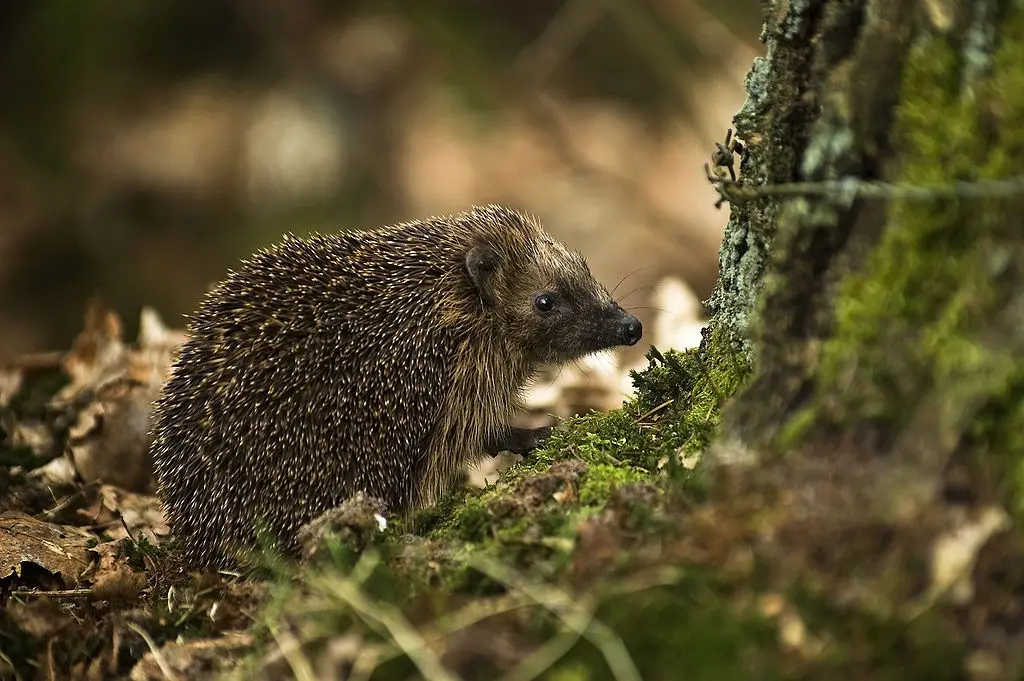
According to the researchers, small mammals in the UK are ingesting plastic at large. Researchers examined the fecal matter of the animals using Micro-Fourier Transform Infrared microscopy detected plastic polymers in four out of seven samples of different species of mammals. Animal samples which were contaminated with plastic are European hedgehogs (Erinaceus europaeus) wood mouse (Apodemus sylvaticus), field vole (Microtus agrestis), and the brown rat (Rattus norvegicus).
The research revealed that the ingestion of plastic occurred across locations and dietary habits while they expected to witness instances of plastic contamination more in urban locations. The research showed prevalence of confirmed plastic contamination was 16.5% in the 261 fecal samples and most plastic fragments were <1 mm of microplastic. Sample contained polyesters derived from textile industries which make up 27% of all plastic fragments. Researchers conveyed that these plastic contaminants must have spread from the sewage systems into the environment. Another plastic fragment that was found consisting almost of 27% of all plastic contaminants were polynorbornene and polyethylene extracted from tyre wears. There were also biodegradable polymers particles present in the samples of the species of wild mammals.
Researcher Emily Thrift of Sussex University said, “It’s very worrying that the traces of plastic were so widely distributed across locations and species of different dietary habits. This suggests that plastic could be seeping into all areas of our environment in different ways…We’re also concerned that the European hedgehog, and field vole are both species suffering declines in numbers in the UK.” Thrift also suggested that biodegradable polymers can also be ingested by small mammals. In that case it can create a huge biological impact. Researchers said that these animals might have mistook plastic for food as it is widely available.
Professor Fiona Mathews said, “We really need to get a deeper understanding of the implications of plastic ingestion on land mammals-and the potential impacts this has on their conservation status.” She further stated that European hedgehogs, the species which is under threat as their number is declining in the UK, have consumed more plastic polymers. Researchers have classified the species as vulnerable to Extinction based on the IUCN-compliant regional Red List. Professor added, “European hedgehogs consume earthworms and previous studies have found these to contain microplastics. So we really need further research to establish the scale and route of exposure more precisely, and assess prevalence in predatory species that consume small mammals, so that we can take adequate steps to try to protect our declining wildlife from plastics.”
See also: Eu Espr Unsold Clothes Destruction Ban July 2026; Outspoken Fashion Wear Made From Vintage Fabrics