 Govind Tekale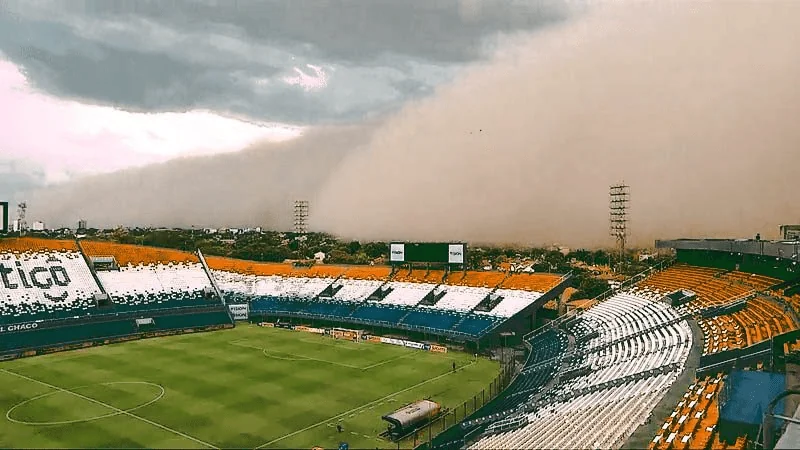
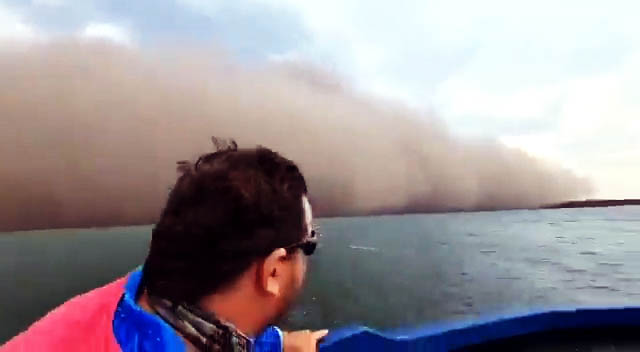
Residents of Northern Argentina and Southern Paraguay were in an apocalyptic-looking scene when a mile-tall wall of smoke, ash, and dust descended on the landscape. Day turned to night around lunchtime as the smoke blotted out the sun, covering up what had been partly cloudy skies as strong winds surged through the region.
The smoke, originating from wildfires across bordering Argentina, was enough to cause street lights to turn on and pose a respiratory danger. Residents’ eyes also probably stung from the ash and fine particulates. The same parent storm system brought baseball size hail from Argentina over the weekend amid an outbreak of severe thunderstorms.
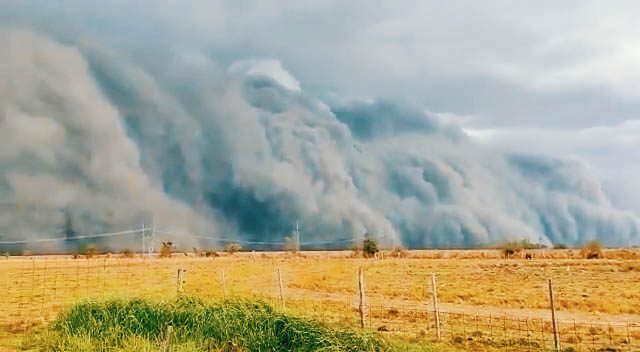
Last week many videos were posted from various areas of North America & South Paraguay. The phenomenon, which resembled the angled blade of a snowplow, brought speculation that a dust storm was closing in on Southern Paraguay. Closer inspection, however, revealed that the “Haboob”- the technical name for a dust storm- was carrying more than just dust.
Related: £200M Plan to Clean 140M Liters of Sewage from Windermere
Related: Giant Lion’s Mane Jellyfish Filmed Off Pembrokeshire C
Massive dust storms in Argentina and Paraguay illustrate how climate change intensifies extreme weather events globally. These atmospheric phenomena occur when dry soil aggregates are lifted by strong winds, creating walls of dust that can travel hundreds of miles and dramatically reduce visibility across vast regions of South America including major urban centers that struggle with hazardous air quality conditions during peak storm seasons.
The frequency and severity of dust storms have increased in recent decades due to prolonged drought conditions, poor land management practices, and rising global temperatures that create ideal conditions for soil erosion across previously stable landscapes in agricultural regions where farmers face crop losses and livestock deaths from repeated severe weather events.
Residents in affected areas experience immediate health impacts including respiratory irritation, reduced lung function, and increased risk of cardiovascular events particularly among vulnerable populations such as children, elderly individuals, and people with pre-existing respiratory conditions that affect millions of people across northern Argentina and Paraguay.
Adaptation strategies include early warning systems, community preparedness plans, and sustainable land management practices that restore soil health and reduce wind erosion potential across vulnerable agricultural landscapes through cover cropping, reduced tillage, and reforestation initiatives.
See related: weather extremes.
See related: Arctic noise.