Karmactive Team
 Krutika Surana
Vulture Deaths Linked to Ozone Pollution in Asia
In a concerning development for regional biodiversity, Botswana’s northern Chobe district witnessed the death of over 50 white-backed vultures, while approximately 100 more were discovered in South Africa’s Kruger National Park. These alarming losses highlight the broader environmental challenges facing vulture populations worldwide.
Pollution Crisis: Delhi and Kolkata Top Most Polluted Cities
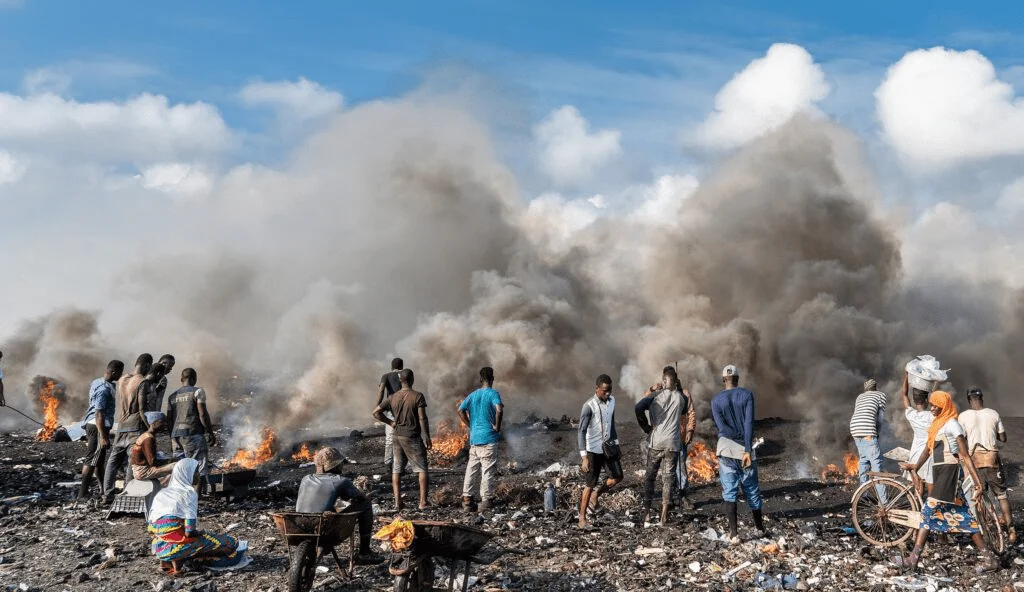
According to the US-based Health Effects Institute (HEI), Delhi and Kolkata have emerged as the world’s top two most polluted cities, with PM2.5 exposure leading to 106 and 99 deaths per lakh population respectively in 2019. Air quality concerns extend beyond urban centers, affecting wildlife habitats and ecosystems across South Asia.
Nepal River Pollution Crisis Deepens
Nepal’s holiest river, the Bagmati, has undergone a dramatic transformation from clear waters to brown and then black, contaminated by direct garbage dumping and raw sewage discharge. Environmental experts warn this reflects a broader pattern of water resource mismanagement in the region.
Climate Action: 1.5°C Target Remains Critical
The US has signaled renewed commitment to limiting global warming to 1.5°C, a target enshrined in the Paris Agreement of 2015. Scientists emphasize that meeting this threshold is crucial for preventing catastrophic ecosystem collapse, including mass wildlife die-offs and irreversible habitat loss.
Broader Implications for Environmental Policy
These interconnected environmental challenges—from vulture population decline to urban air pollution—demonstrate the urgent need for comprehensive policy interventions. Expert analysis shows that coordinated global action on multiple fronts can reverse these trends climate research suggests.
Conservation organizations recommend immediate measures including stricter industrial emission controls, enhanced wildlife protection protocols, and improved waste management systems. The water pollution solutions implemented in various regions offer viable models for replication.
Additionally, sustainable practices in urban planning can significantly reduce PM2.5 concentrations while supporting local ecosystems. Research from authoritative environmental institutions confirms that multi-pronged approaches yield the most effective results in addressing complex environmental crises.