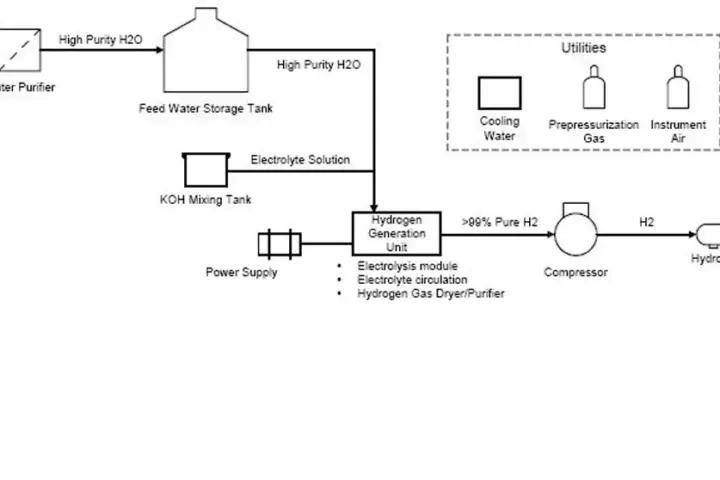
A University of Birmingham catalyst splits water into hydrogen at 150–500°C using waste heat from steel and cement plants, potentially undercutting green and blue hydrogen on cost.
Battery Tech New Freezing Method Reveals True Chemistry of Lithium Metal Batteries Cryo‑XPS flash‑freezes cells before X‑ray photoelectron spectroscopy, preserving the lithium anode interface for a more faithful read‑out of surface chemistry. 📍 Stanford University • Source: Stanford News Feature
Scientists at Monash University have created natural plastic films from food waste sugars that could eventually replace petroleum-based packaging materials. This breakthrough addresses the
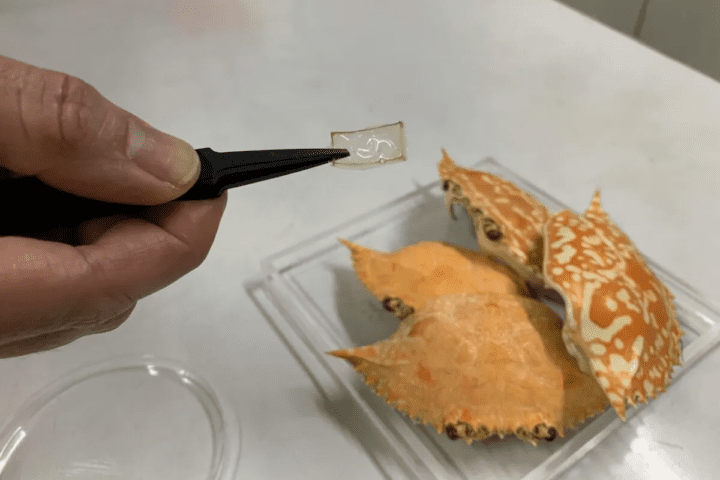
Crab shell extract has been converted into a bioplastic by scientists from the Anteneo de Manila University to make optical parts known as diffraction gratings. Lasers, wavelength division multiplexing, & spectrometers use
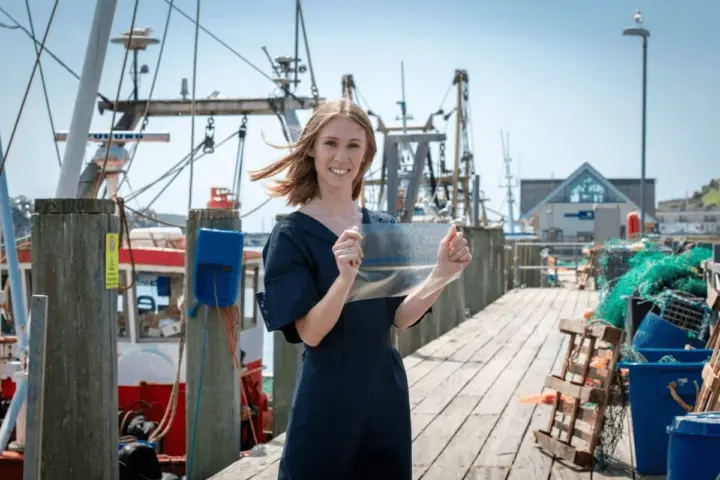
8 Million tons of plastic enters our oceans every year. 5.25 trillion pieces of plastic waste is estimated to be present in the ocean currently. 70% of our debris sink into the

 Govind Tekale
 Karmactive Team