UK-EU Summit 2026 Package: £3.8B Emissions Deal Could Protect £6.5B Exports From CBAM
If you sell steel, aluminium, or food into Europe, or shop for British groceries, the UK-EU Summit 2026 package matters to you. Three days before the summit, the UK government said a new carbon deal could help protect British exporters. It also said a food deal could change the labels on products in your fridge.
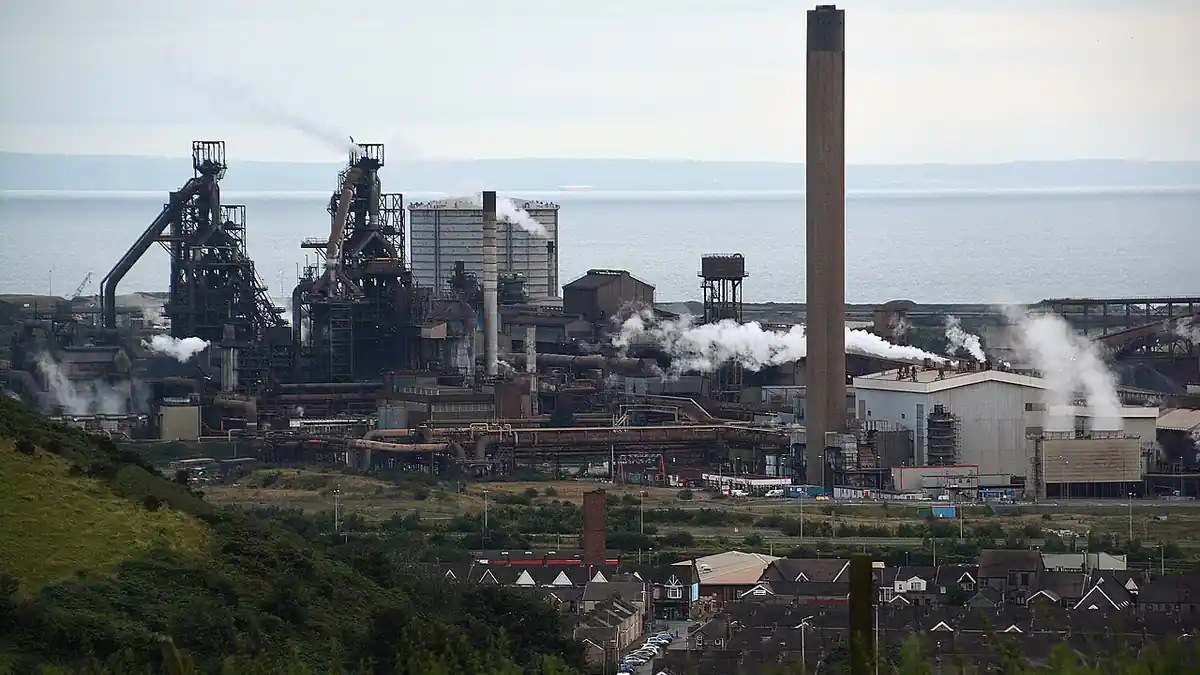
The UK and EU are expected to agree the package at their summit on November 20, 2026. The government published a factsheet on November 17 outlining three deals. The first is a deal to link emissions trading schemes, the systems that put a price on carbon. The second is a food and drink deal covering sanitary and phytosanitary rules, which are standards for food safety and animal and plant health. The third is a Youth Experience Scheme. The government says the emissions deal could add up to £3.8 billion a year to the UK economy. It also says the deal could protect critical industries such as steel and aluminium from CBAM, the EU’s carbon border adjustment mechanism. CBAM is a charge on imports of certain carbon-intensive goods based on the emissions embedded in them. The government puts the affected exports at approximately £6.5 billion. The food and drink deal could add up to £5.1 billion a year.
For a UK steel or aluminium exporter, the practical question is cost. CBAM charges can apply to goods entering the EU based on the emissions embedded in them. The government says linking the carbon markets could protect those exports. That is the government’s own claim, and the final terms will decide the result. For shoppers, the food deal would mean fewer “Not for EU” labels. Those labels sit on certain food sent from Great Britain to Northern Ireland. The vast majority of them would be removed once the deal is fully in place.



Latest from Business
Chase Software Bug Outage Stalls Zelle Transfers Across Major US Banks During Peak Five-Hour Trading Window
JPMorgan Chase says its systems were back to normal by Monday evening after a software-bug outage that disrupted online banking and delayed some transfers. A Chase spokesman described it as a temporary
JPMorgan Chase Software Bug Outage Stalled Zelle Payments at Bank of America, U.S. Bank, and Wells Fargo
JPMorgan Chase says its systems have recovered after Monday’s five-hour software-bug outage, which disrupted online banking and delayed some transfers. The bank called it “a temporary issue related to a software bug

What Indian Temple Trusts Can Actually Do for Public Welfare
Temple trusts can support food, healthcare and relief, but their assets are not one free pool of money. Here is what can realistically be used.
Family Dollar $63 Million FTC Settlement: How the $40M Refund Fund and $20M Discounts Work
FTC and 17 states have secured a proposed $63 million stipulated order with Family Dollar over allegations that thousands of stores routinely charged higher prices at the register than displayed on shelves,
Amul Mother Dairy Milk Price Hike November 12 2026: New Rates for Taaza, Gold and Other Variants
Morning milk bills across India rose again on Thursday, November 12. Amul and Mother Dairy raised fresh pouch milk prices by ₹2 to ₹4 per litre. This Amul Mother Dairy milk price

Upcoming Tata EVs 2027–2028 & New 7-Seater Hybrid SUVs
Between early 2027 and 2028, India’s family SUV market will see five new upcoming Tata EVs 2027 2028—led by the Safari.ev and flagship Avinya—alongside a wave of 7-seater strong hybrids from Hyundai,
ATO tax deduction warning letter: 5 red flags, penalties and how to respond in myGov
Australians opening their myGov inbox are finding an ATO tax time warning letter about their work-related deductions. The ATO has sent follow-up letters to people whose claims looked out of line. Here
Komatsu to Close Moss Vale Plant by 2030, Cutting 265 Jobs in Six Stages — Unions Say New Manufacturing Moves to China
Komatsu to Close Moss Vale Plant by 2030, Cutting 265 Jobs in Six Stages — Unions Say New Manufacturing Moves to China Komatsu Mining’s Underground Soft Rock Australasia division will close its
NAB underpayment 65999 workers: $169M settlement payout, eligible roles 2012–2026
NAB has signed an Enforceable Undertaking with the Fair Work Ombudsman. It will repay $169 million to 65,999 workers. The NAB underpayment of 65,999 workers ran across a 14-year span, from October

Stock Market Repeating Late-1990s Negative Beta Pattern — Charles Schwab Data Shows Bear Markets Average 409 Days, Bulls 1,894 Days
Stock Market Repeating Late-1990s Negative Beta Pattern — Charles Schwab Data Shows Bear Markets Average 409 Days, Bulls 1,894 Days The S&P 500 (~7,622) and Nasdaq (~25,520) have climbed for four years,
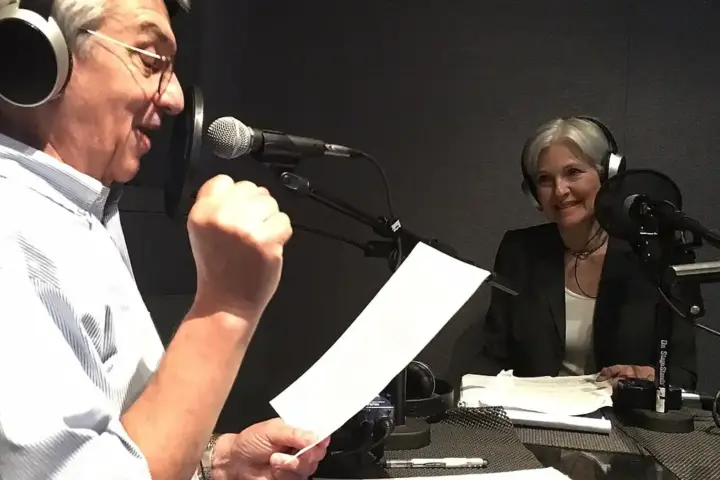
Sofia Franklyn’s Daddy Issues memoir alleges a legal threat and a $75,000 Barstool contract
Six years after her very public split from Call Her Daddy, Sofia Franklyn’s new memoir opens not with a podcast anecdote, but with an alleged legal threat — one her former partner’s
BYD Apologizes for Putting Da Tang Flagship SUV Wheel Rims on Backwards — ETRTO Standards Contradict “No Safety Risk” Claim as Warranty Resets
BYD Apologizes for Putting Da Tang Flagship SUV Wheel Rims on Backwards — ETRTO Standards Contradict “No Safety Risk” Claim as Warranty Resets BYD apologized November 11 for installing front and rear
Bupa Aged Care Residents Charged $42 a Day ($15,330 a Year) for Cooked Breakfasts Under HELF — How to Get a Free Exemption
Bupa Aged Care Residents Charged $42 a Day ($15,330 a Year) for Cooked Breakfasts Under HELF — How to Get a Free Exemption Bupa Aged Care serves only a continental breakfast to

IBM Quantum Nighthawk r3 Processor Delivers 520 Qubits and 10,000 Operations, Targets 1,040-Qubit System in 2027
IBM Quantum Nighthawk r3 Processor Delivers 520 Qubits and 10,000 Operations, Targets 1,040-Qubit System in 2027 IBM unveiled the Quantum Nighthawk r3 processor on November 11, built to execute 10,000 quantum operations
Commonwealth Bank Q1 Profit Rises 8% to $2.8 Billion as Mortgage Arrears Climb and Applications Drop 16%
Commonwealth Bank Q1 Profit Rises 8% to $2.8 Billion as Mortgage Arrears Climb and Applications Drop 16% Commonwealth Bank posted a first-quarter cash profit of $2.8 billion, up 8% year-on-year, but the