Sunita Somvanshi
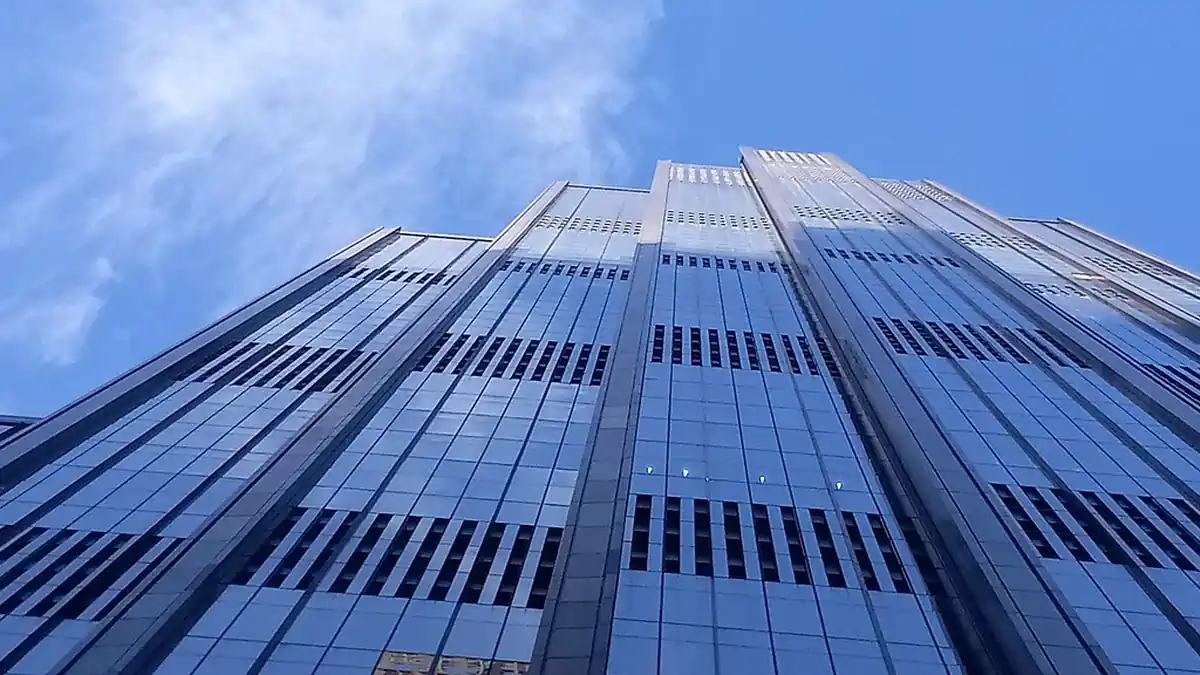
JPMorgan Chase says its systems have recovered after Monday’s five-hour software-bug outage, which disrupted online banking and delayed some transfers. The bank called it “a temporary issue related to a software bug in on-premise hardware systems,” not a cyberattack. If you sent money involving a Chase account, check the transaction in your official banking app before trying again.
If you initiated a Zelle transfer, wire, or bill payment involving JPMorgan Chase during Monday’s five-hour technical outage, check your transaction status before resending funds. Because the failure stemmed from a software bug on Chase’s on-premise hardware systems rather than a failure of the Zelle network itself, cross-bank transfers involving Bank of America, U.S. Bank, and Wells Fargo were queued rather than lost. Avoid duplicate submissions and watch for post-outage phishing texts.
Why one Chase bug produced reports at other banks
The disruption ran from about 10 a.m. to 3:15 p.m. EST. At its peak, Downdetector logged 4,810 reports for Chase, 2,045 for Bank of America, 1,072 for U.S. Bank and 1,059 for Wells Fargo.
Bank of America, U.S. Bank, Truist, Capital One and PNC said their own core systems were operating normally. The hold-up appeared when a payment had Chase on one side. Zelle’s operator, Early Warning Services, said its network remained available, but transfers involving a Chase sender or recipient could wait in a queue until Chase’s systems acknowledged them.
What federal rules say about a non-cyber outage
The Office of the Comptroller of the Currency says a computer-security incident can include a nonmalicious hardware or software failure that harms a system’s availability. Its rules require a service provider to alert affected banks when covered services are materially disrupted for four or more hours. A bank must notify the OCC within 36 hours after deciding that a notification incident occurred.
For customers, use the app or website you normally use, record the payment time, and do not share a one-time passcode with an unsolicited caller. The consumer guidance after a major network outage offers a comparison for documenting a service problem.
What to do with a pending Zelle payment
Look for a completed, pending or failed status in the official app and keep timestamps if a delayed payment triggers a late fee. Ignore contacts offering to “release” funds. Keeping cash and printed account details is also part of the preparation described in Karmactive’s emergency-kit guidance.
Why were so many US banks down at the same time on Monday?
Only JPMorgan Chase reported the internal software failure. Customers of Bank of America, U.S. Bank and Wells Fargo could still see delayed payments when Chase was the other bank in the transaction. Their banks’ own core systems were not reported as down.
Was the Chase outage a cyberattack?
No. Chase said the outage came from a software bug in on-premise hardware systems, and an FBI official said there was no evidence of malicious or external activity.
Was Zelle itself down?
No. Zelle’s network remained operational, but a transfer can remain pending when a participating bank cannot promptly confirm its side of the payment.
Chase customers and people waiting on a transfer should continue to check their account status rather than submit a second payment. Karmactive will update this story if the OCC or Early Warning Services publishes a formal account of the outage.