Morning Naps Mortality Risk: 30% Higher in Older Adults, 19-Year Study
Morning Naps Mortality Risk: 30% Higher in Older Adults, 19-Year Study
If you are over 60 and find yourself drifting off in the morning more often than before, or you have noticed a parent sleeping earlier in the day, a new long-term study offers something worth bringing to a doctor. Researchers tracked nap habits in older adults for nearly two decades, and the patterns they found connected morning naps mortality risk to sharply higher odds — not because napping is harmful, but because of what it may reflect about the body underneath.


Latest from Health
Yale School of Medicine 51-Study Analysis: Metformin and Semaglutide Lower Biological Age Markers
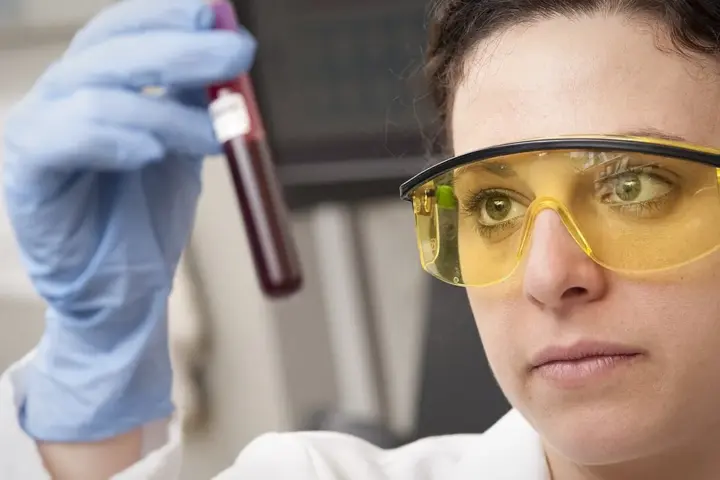
If you spend money each month on anti-aging supplements, a large new analysis from Yale University has findings worth reading. Researchers reviewed 51 clinical studies and found the interventions that consistently moved

Fresh To You Biscuit Sandwich Recall: 2,414 Units Pulled in Oregon and Washington Over Listeria Risk
If your office fridge holds a breakfast sandwich, a Fresh To You biscuit sandwich recall now covers 2,414 units distributed in Oregon and Washington. Fresh & Ready Foods LLC pulled the Sausage,
Cleveland Clinic Study of 20,486 Patients Ranks Best Options After Stopping GLP-1 Drugs
If you take a GLP-1 drug such as Ozempic, Wegovy, Mounjaro or Zepbound, the decision to stop can feel like the end of the road. Cost, insurance limits and side effects push
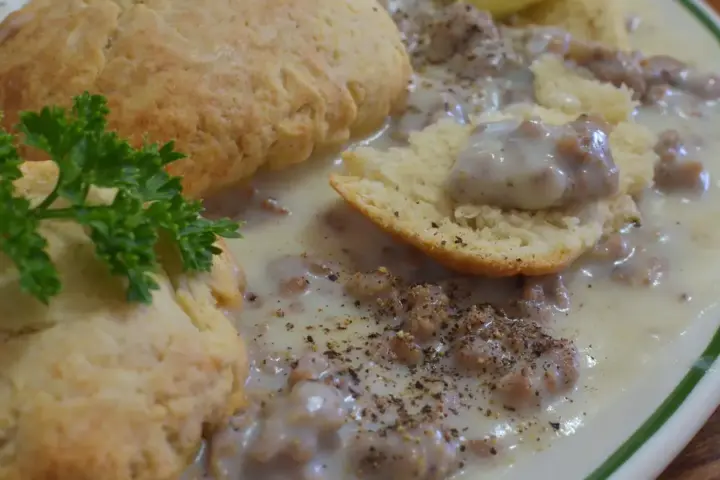
FSIS Biscuit Listeria Alert: Ready-to-Eat Meat Products Made With Recalled Biscuits
If you have refrigerated or frozen breakfast sandwiches or other ready-to-eat meat-and-biscuit products at home, check them now. The U.S. Department of Agriculture’s Food Safety and Inspection Service issued a public health

Family Farmstead Second Raw Cheddar Recall: All Cheddar Dated 10/16/27 or Earlier in 12 States
If you bought raw cheddar cheese from Family Farmstead Dairy in the last few weeks, check the package date before you reach for it. The Worcester, New York company has now recalled

Sharper Image Fire Pit Recall: 265,000 Units Recalled After 4 Burn Injuries
If you bought a Sharper Image tabletop fire pit at Walmart, Target, Home Depot, or Amazon since 2023, check the base of the unit today. The Sharper Image fire pit recall covers

FDA Approves Gazyva (Obinutuzumab) for Primary Membranous Nephropathy as First Dedicated Treatment
If you have primary membranous nephropathy, your condition had no FDA-approved treatment made for it. Doctors used drugs cleared for other diseases, without PMN-specific trial data. That changed on November 13, 2026,

SHEIN Recalls Baby Rattle and Teether Sets Over Choking Hazard
SHEIN has recalled about 2,657 Baby Rattle and Teether Toy Sets because detachable parts can create a choking hazard for young children. The SHEIN baby rattle teether recall covers seven-piece pastel sets

Boiled eggs with shrimp: a 10-minute dinner swap that nearly doubles protein and cuts carbon
If your go-to dinner egg is fried, nutrition research on eggs suggests you’re leaving protein and brain-supportive nutrients on the table — and the fix takes about ten minutes. Dietitian Belén Serena

Newborn Vitamin K shot refusals double as infant bleeding cases surge 347%, JAMA studies find
Expectant parents weighing their birth plan are facing a decision with higher stakes than many realize: skipping the routine newborn Vitamin K shot, or substituting unregulated oral drops, is linked to a

Jenny McCarthy says mold illness led to 11 surgeries and prompted her to throw out Donnie Wahlberg’s wardrobe
Losing 30 years of red-carpet keepsakes, convincing her husband to throw out his entire wardrobe, and now sleeping in a backyard tent — Jenny McCarthy‘s account of her mold ordeal is extreme

FDA orders NAION vision-loss warning on all 12 GLP-1 drugs including Ozempic, Mounjaro, and Foundayo
If you take Ozempic, Wegovy, Mounjaro, Zepbound, or any other GLP-1 medication, a new federal warning about sudden vision loss may sound alarming. Here’s what the FDA actually found, and what it

Boiled Eggs With Shrimp for Dinner: Why Dietitians Say This 29g Protein Swap Works
Boiled eggs with shrimp for dinner may be the simplest high-protein meal you can make tonight. Dietitian Belén Serena builds it from two eggs, 80 grams of shrimp, and olive oil. It
Boiled Eggs With Shrimp for Dinner: Why Dietitians Say This 29g Protein Swap Beats Fried Eggs
Boiled eggs with shrimp for dinner may be the simplest high-protein meal you can make tonight. Dietitian Belén Serena builds it from two eggs, 80 grams of shrimp, and olive oil. It

Newborn Vitamin K Shot Refusals Double as Infant Bleeding Surges 347% in JAMA Study
In the delivery room, a nurse offers one small shot. It is not a vaccine. It is vitamin K, a nutrient given to newborns since 1961. More parents now say no. Doctors