2026 Ozone Hole Largest in a Decade: NOAA & NASA Say Recovery on Track
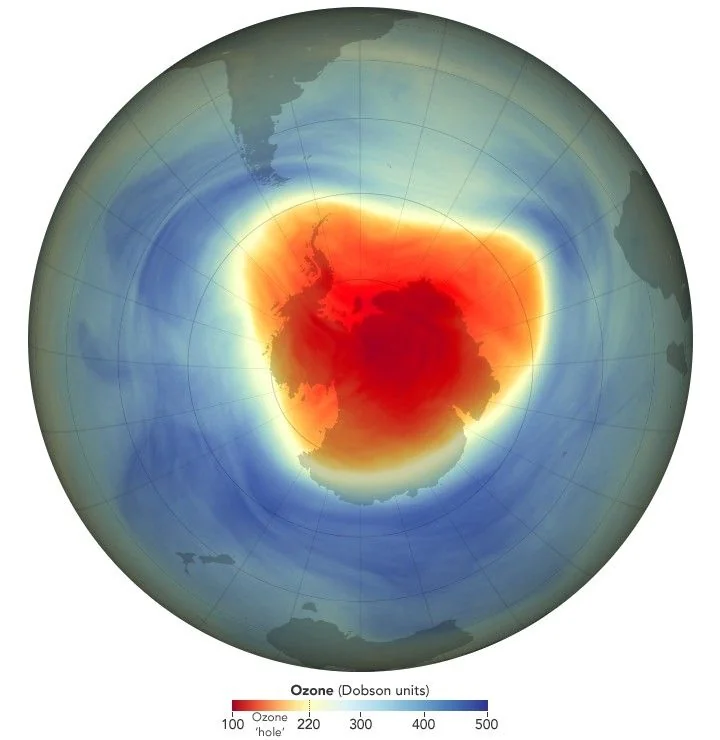
2026 Ozone Hole Hit 10.5 Million Sq Mi, Largest in a Decade: Why NOAA Says Recovery Is Still on Track
The largest Antarctic ozone hole in ten years just appeared in NOAA and NASA data, and if your first instinct was to wonder whether decades of international chemical bans had fallen apart, the scientists behind that measurement want you to see the full picture. The 2026 ozone hole grew larger than any in about a decade — and the data explain both why it reached that size and why it did not grow larger.

Latest from Environment
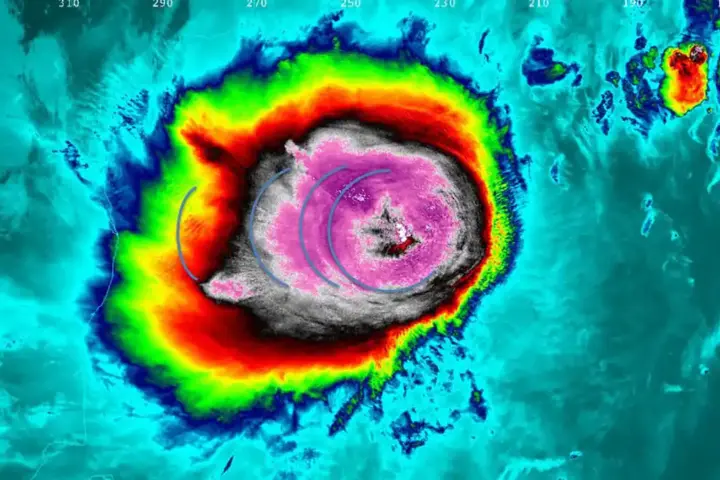
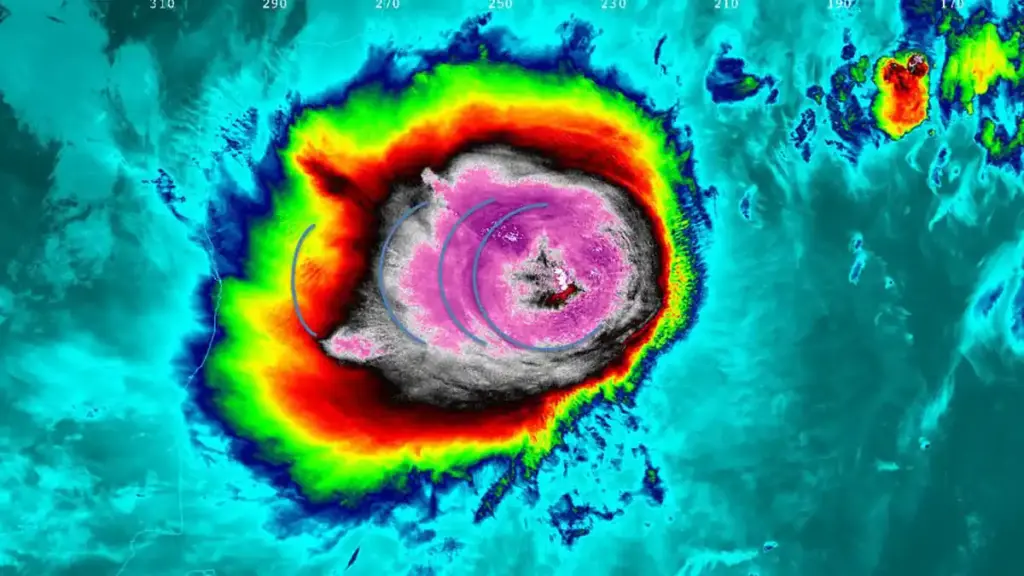
Cyclone Akvan Andhra Pradesh: IMD Tracks Very Severe Storm to Nellore-Tuni Coast by Nov 20
Cyclone Akvan Tracker: IMD Projects Very Severe Storm Crossing Between Nellore and Tuni by Nov. 20 Cyclone Akvan Andhra Pradesh — Coastal communities from Nellore to Visakhapatnam are watching a familiar pattern

Tree T-Pee and Its Water-Saving Claim: What Johnny Georges Said on Shark Tank
Johnny Georges says the Tree T-Pee can sharply reduce irrigation needs for young trees. The claim is his; farm water performance must be tested by site.
WMO Early Warning Systems Report 2026: Disaster Deaths 6 Times Lower, 1 in 3 Countries Still Unprotected
If a cyclone, flood or heatwave is heading your way, a warning only helps if someone is watching the radar. It also has to reach your phone. A new United Nations report

Delhi’s GRAP Is an Emergency Tool—Not a Year-Round Clean-Air Strategy
GRAP helps Delhi-NCR respond to smog emergencies. But long-term clean air requires year-round, regional action on transport, dust, fuel and industry.

2024 Election Records: The Reporters’ Collective Investigation and the ECI’s Response
The Reporters’ Collective found alleged record discrepancies in 51 seats. The ECI rejects its interpretation. What the investigation and response say.
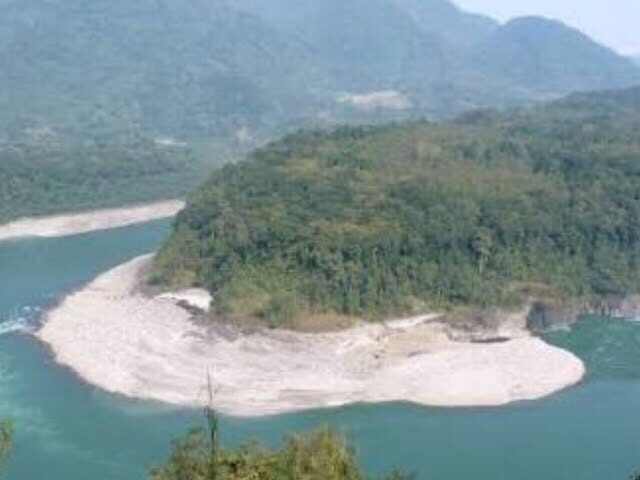
Naying Hydroelectric Project: What the Forest-Clearance Recommendation Means for Arunachal Pradesh
The FAC has recommended Stage-I forest clearance for the 1,000-MW Naying Hydroelectric Project. What the 470.8-hectare proposal means and what remains to be approved.
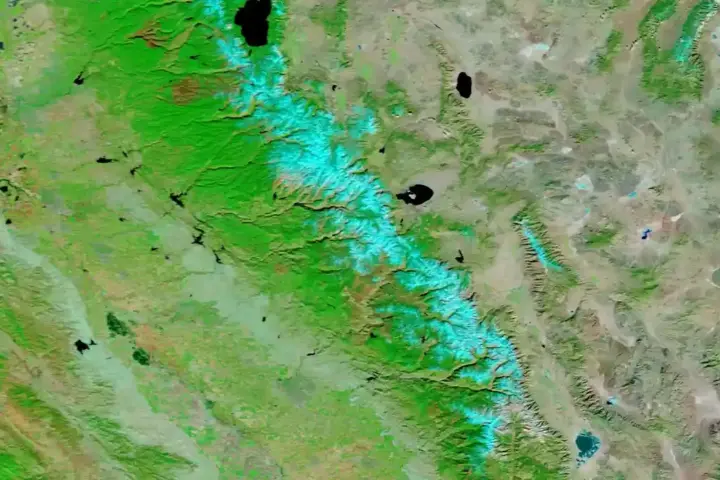
NOAA Updates El Niño Odds as Sierra Storm Warning Brings Travel and Wind Risks
California travelers faced a new Sierra weather threat as NOAA updated its El Niño outlook. The NOAA El Nino update November 2026 put the chance of a strong to very strong event
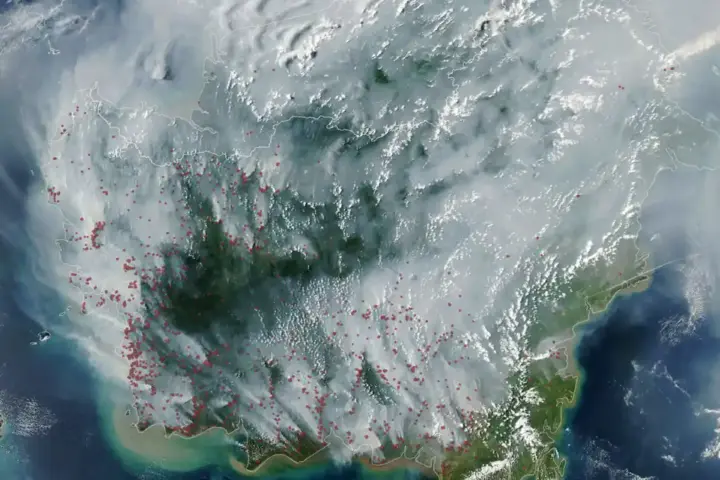
Indonesia 2026 Wildfires: Climate Change Made Extreme Fire Weather Three Times More Likely
In 2026, smoke from Indonesia’s burning forests blanketed four countries. Roughly 12.5 million people across Indonesia, Malaysia, Singapore, and Timor-Leste breathed haze thick enough to close schools and ground flights in Kalimantan.

Mumbai’s Firecracker Fires: 333 Incidents in Five Days Raise Questions About Enforcement
Mumbai Fire Brigade figures reported 333 firecracker-linked calls in five days, as an aerial-fireworks ban and the Malvani death sharpened safety concerns.

Dead Fish in Delhi’s Yamuna: What Is Known, Alleged and Still Needs Testing
Dead fish were reported in Delhi’s Yamuna near Sonia Vihar. The cause is unconfirmed amid competing claims; only transparent testing can establish it.

US Animal Shelter Funding and Rescue Compliance: Rocky’s Ace Hardware and Spokane Rescue4All
Two animal welfare stories this month show how differently American communities experience the same compassion. In Massachusetts, a hardware chain’s checkout campaign delivered more than $32,000 to shelters through a transparent, repeatable

Single 4.9 Earthquake Shakes West Sikkim and Eastern Nepal
A magnitude 4.9 earthquake struck the West Sikkim-Nepal border region at 4:30 AM IST on November 12, 2026, according to the National Center for Seismology. The epicenter was at 27.671°N, 87.987°E, about
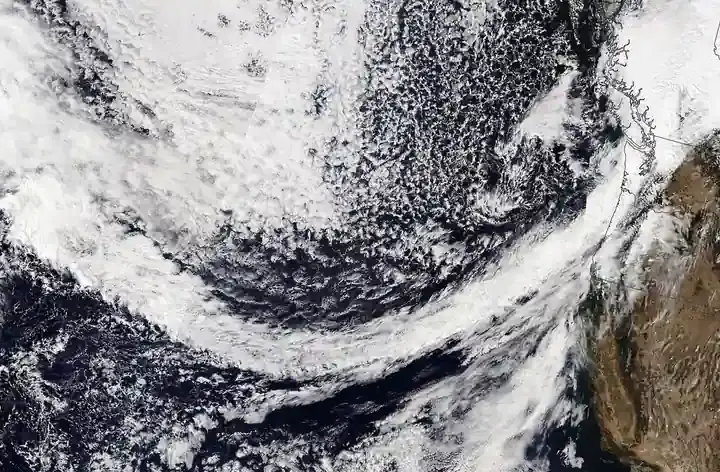
Power Outages Hit NSW Northern Rivers (~2,500 Customers), Lesvos Island, and Venezuela — Global Grid Resilience Roundup
Power Outages Hit NSW Northern Rivers (~2,500 Customers), Lesvos Island, and Venezuela — Global Grid Resilience Roundup Severe storms at 6:14 PM Wednesday knocked out power to 3,848 customers initially (peaking above

Bilaspur–Manali–Leh Railway: Tanglang La Station Record
Indian Railways’ Detailed Project Report (DPR) for the 489-km Bilaspur–Manali–Leh corridor maps out a ₹1.31 lakh crore Himalayan engineering feat: a station beneath Ladakh’s Tanglang La at 5,256 metres (17,244 feet), eclipsing

London Air Pollution Alert: Sadiq Khan, NHS Warnings as Fog and Fireworks Hit vs Delhi
Mayor Sadiq Khan issued London’s fourth “High” air pollution alert of 2026 as dense fog and fireworks season trapped PM2.5 across the capital. Social media then compared London’s haze with New Delhi’s