 Govind Tekale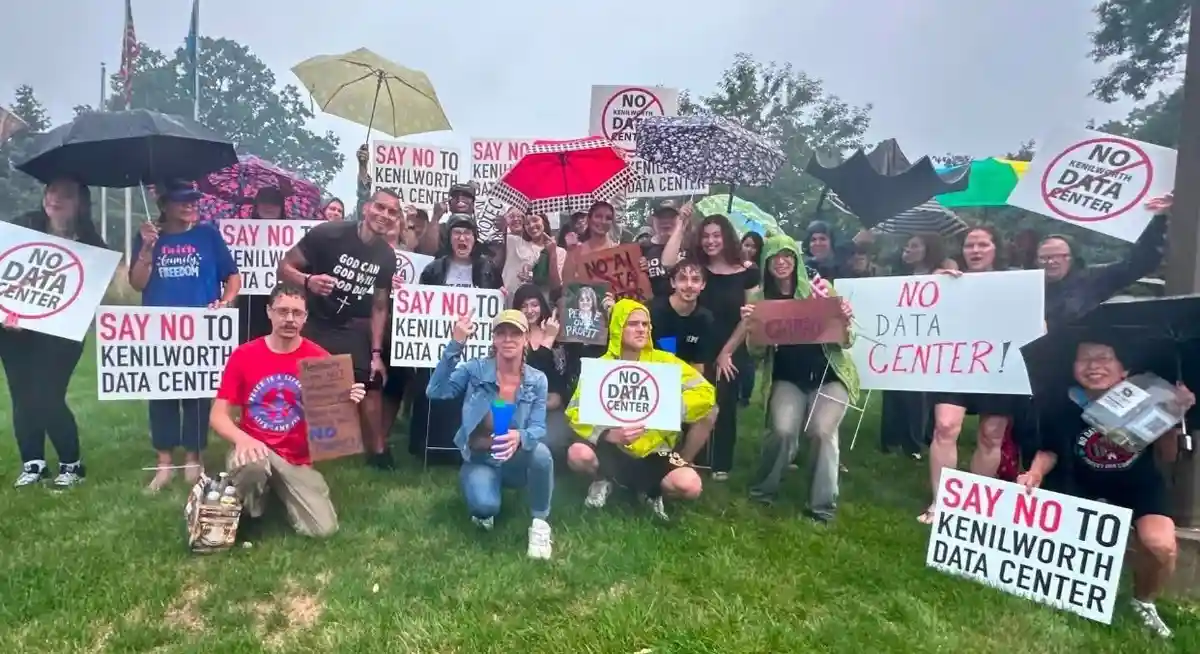
Wyoming’s capital city has quietly become one of the hottest addresses in the global digital economy — and residents are asking whether they’re being left with the bill.
Silicon Prairie: How Cheyenne Became a Data Center Magnet
Over the past decade, Cheyenne has transformed into a premier destination for hyperscale data centers. Microsoft, Walmart, and a growing roster of colocation operators have planted massive server farms across the city’s industrial corridors, drawn by a convergence of advantages that few places on Earth can match.
The pitch is straightforward: Wyoming charges no corporate income tax, no personal income tax, and — critically — eliminated its sales tax on electricity consumed by data centers. The state sits at a high elevation with a cool, dry climate that slashes cooling costs. Fiber infrastructure runs through the city. Land is cheap. And regulators have historically been welcoming.
The result is a skyline increasingly dotted with low, windowless warehouses the size of city blocks, humming around the clock.
“Humans First”: What the Community Is Saying
Members of the Humans First Facebook community — a grassroots group of Cheyenne-area residents, workers, and advocates — have been raising pointed questions about what this boom actually delivers to the people who already live there.
Their concerns are consistent and concrete:
Jobs that don’t match the footprint. A single hyperscale data center can occupy 200,000 to 500,000 square feet and consume electricity enough to power tens of thousands of homes — yet employ fewer than 50 full-time workers. The tax exemptions granted to attract these facilities dwarf the economic return to the community in employment terms.
Water in a water-scarce state. Evaporative cooling systems — the industry standard — can consume millions of gallons of water per year per facility. In a semi-arid region where the Ogallala Aquifer is already under stress and drought years are becoming more frequent, community members ask why municipal water resources are being redirected to cool servers rather than supporting agriculture, households, and ecosystems.
Who benefits from the tax breaks? Wyoming’s data center tax incentives were designed to attract investment. But Humans First members note that the largest beneficiaries are among the most profitable corporations in human history. When these companies pay reduced taxes, local schools, fire departments, and road maintenance absorb the gap.
Grid strain and energy sourcing. Data centers are 24/7 baseload consumers. As Cheyenne’s server capacity has grown, questions about grid reliability and the actual energy mix powering these facilities have intensified. While tech companies publish sustainability reports touting renewable energy commitments, community members want to know what’s actually flowing through the wires serving their neighborhoods — and what happens when demand spikes.
The Numbers Behind the Narrative
- Wyoming has approved hundreds of millions of dollars in data center-related tax exemptions over recent years.
- A single large hyperscale campus can draw 100–300 megawatts of power — comparable to the electricity needs of a small city.
- Industry estimates suggest data center water usage in cooling-intensive facilities can exceed 1–5 million gallons per day.
- Cheyenne’s population is roughly 65,000. The digital infrastructure being built in its backyard serves billions of global users.
The Broader Pattern
Cheyenne is not unique. From the Columbia River Gorge in Oregon to the outskirts of Dublin, Ireland, communities near cheap power and favorable tax climates are discovering that “economic development” in the data center industry often means hosting the infrastructure of the digital world while seeing limited benefit flow back locally.
The pattern Humans First members describe — large physical footprint, small payroll, significant resource consumption, generous public subsidies — is one that community advocates across the country are beginning to organize around.
What Residents Are Asking For
The conversation in Humans First and similar community spaces has coalesced around several demands:
- Transparent accounting of tax exemptions granted and local tax revenue foregone, published annually and accessibly.
- Water use reporting requirements for data center operators, with enforceable caps tied to municipal water sustainability plans.
- Local hiring commitments as a condition of public subsidies, including apprenticeship pipelines for local residents.
- Community benefit agreements that tie the scale of public incentives to measurable investments in affordable housing, schools, and infrastructure.
- Independent energy audits confirming the renewable sourcing claims operators make in their public filings.
The Bigger Picture
There is nothing inherently wrong with Cheyenne being a node in the global digital economy. The internet requires physical infrastructure, and that infrastructure has to go somewhere.
But infrastructure decisions are also policy decisions. When a city or state gives a company a nine-figure tax break to locate there, that is a choice — and choices have consequences. The question Humans First is pressing is whether those consequences are being distributed fairly, and whether the people of Cheyenne had any meaningful say in the deal.
The servers in Cheyenne’s data centers process emails, stream movies, train AI models, and store the digital lives of billions of people who will never set foot in Wyoming. The least those people — and the companies profiting from their data — can do is make sure the community hosting that infrastructure comes out ahead.
By Govind Tekale and the Karmactive Team
Source: Humans First (Facebook community). Karmactive covers stories at the intersection of technology, environment, and community power. If you’re part of a local organizing effort, reach out.