 Govind Tekale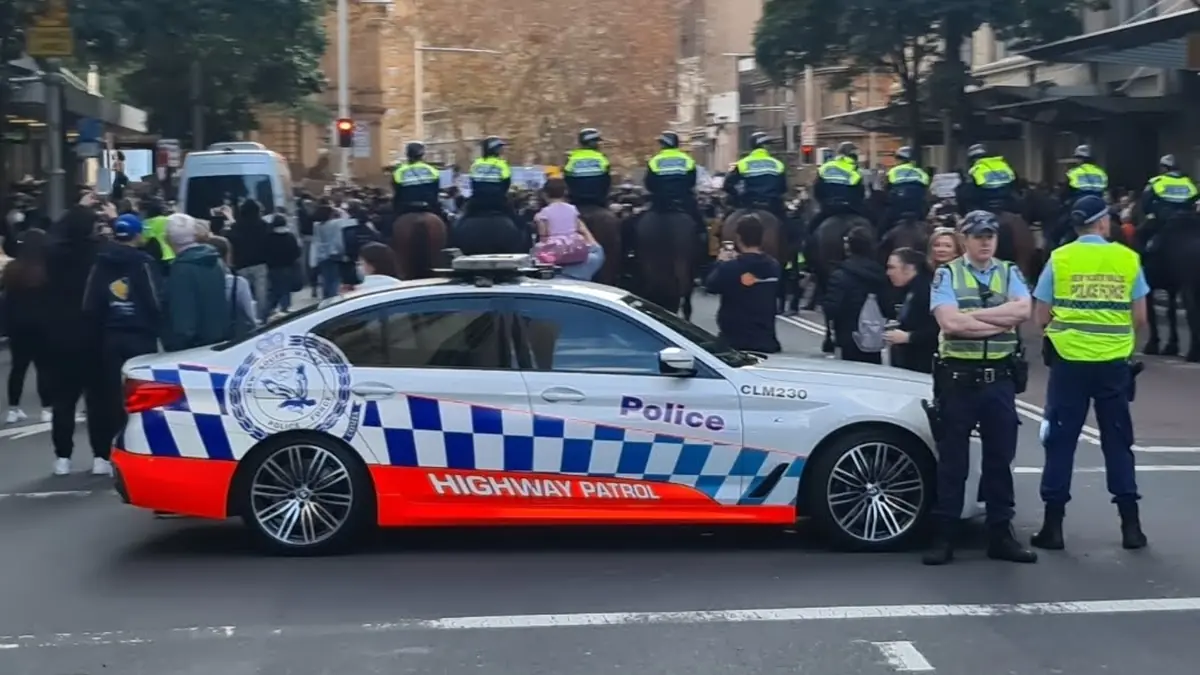
If you’re driving across New South Wales, South Australia or the ACT this Labour Day weekend, police have launched Operation Labour Day 2026 and a separate SA road-safety campaign targeting long-weekend traffic. Enforcement runs Friday October 2 through Monday October 5, and the offences being targeted go well beyond highway speed checks.
NSW Police launched Operation Labour Day 2026, running from 12:01 a.m. October 2 to 11:59 p.m. October 5. Officers are targeting speeding, drink and drug driving, driver fatigue, mobile phone use, and seatbelt and helmet offences. Double demerits are in effect across NSW during this period. The ACT separately applies double or additional demerits to eligible offences during declared periods. In South Australia, a separate SA Police campaign is specifically targeting drivers travelling 10–14 km/h above the posted limit — a range many drivers assume carries minimal risk.
For NSW drivers, a mobile phone offence during the double-demerit period attracts 10 demerit points. For P1 provisional licence holders in NSW, the suspension threshold is four demerit points; for P2 holders it is seven. A 10-point mobile phone offence would exceed both thresholds for any driver without an existing demerit balance, and put any driver with existing points at immediate risk of reaching the threshold. A single mobile phone or mid-range speeding citation this weekend can end your ability to drive before the long weekend is over.
What the rules look like in each state
NSW uses a double-demerit system, meaning every demerit-attracting offence during declared enforcement periods counts for twice the usual points. A speeding offence in the 10–20 km/h over the limit band that normally attracts three points in NSW will attract six this weekend. Double demerits apply to speeding, mobile phone use, seatbelt offences and other prescribed offences. Confirm the ACT’s specific double-demerit schedule for this period at the ACT Government’s road-safety page before travelling.
South Australia does not use a double-demerit system. SA Police uses a scaled fine and demerit structure under which serious speeding carries both financial penalties and licence sanctions. Under SA’s current penalty schedule, travelling 30–44 km/h over the limit incurs an expiation fee of $1,793 and seven demerit points. Driving 45 km/h or more over the speed limit carries an automatic six-month licence disqualification in addition to penalties. The SA campaign is specifically calling out drivers travelling 10–14 km/h over the limit, describing that as a behaviour drivers commonly treat as acceptable but which substantially raises crash risk.
A point most coverage overlooks: demerit points incurred by interstate drivers in NSW are reported to home state licensing authorities through the interstate enforcement system. However, the exact treatment of NSW double demerits on an interstate licence depends on the home state’s rules, so do not assume your home jurisdiction will apply NSW’s doubled count unchanged.
NSW and SA police will be conducting random breath and drug testing and speed enforcement across highway corridors throughout the weekend.
Do double demerits apply in South Australia during the October long weekend? No. South Australia does not operate a double-demerit system. SA Police runs high-density highway patrols with a focus on moderate speeding, alongside its standard penalty and licence-disqualification structure. Travelling 45 km/h or more above the posted limit triggers an automatic six-month disqualification; 30–44 km/h over the limit incurs a $1,793 expiation fee and seven demerit points.
If you’re also adjusting for the clocks going forward this Sunday, the double-demerit period in NSW ends at 11:59 p.m. Monday, October 5. For updates on this and other Australian news this week, including the card surcharge changes that took effect October 1, see Karmactive’s current coverage. NSW Police will confirm the next major enforcement period closer to the Christmas and New Year holiday season.
—