Canada Expands LNG Exports to Asia With 130 Cargoes Shipped as Pacific Energy Strategy Gains Momentum
Canada’s return to APEC after a decade away confirms where new export contracts are headed. 130 LNG tankers shipped to Asia from the Pacific coast.
If you work in Canadian LNG logistics or West Coast port infrastructure, Canada’s return to a major Asia-Pacific energy forum after a decade away confirms where new export contracts are headed.
Canada rejoined the APEC Energy Ministers’ Meeting in Beijing on September 8-11, 2026, after a ten-year absence, and Natural Resources Canada signed a new LNG offtake agreement in mid-September as part of the same push.
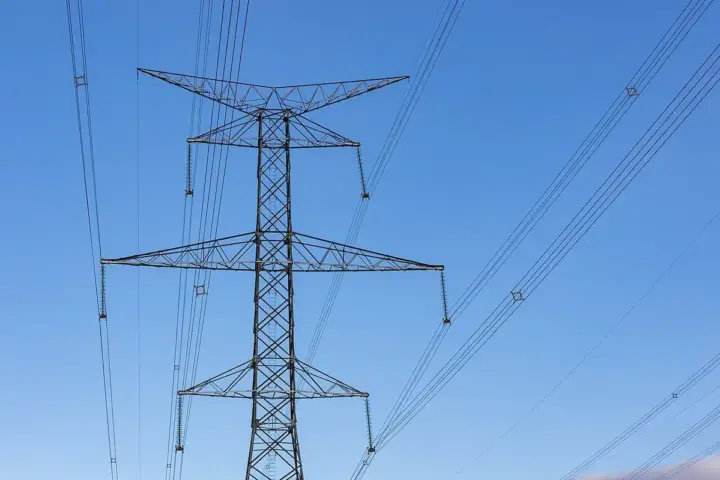
Between June 2025 and August 2026, Canada shipped roughly 470 billion cubic feet of LNG, about 9.7 million tonnes, to Asia in around 130 tanker shipments from its Pacific coast, using export routes that avoid US pipelines and ports entirely. Canada operates the only major LNG facility on North America’s Pacific coast. Canadian officials have also broken ground on new West Coast transmission infrastructure to support this export growth.
For related context on how Canada’s energy infrastructure is being reshaped, see Karmactive’s coverage of Canadian energy and infrastructure policy and Canada energy exports.
Canada operates the only major LNG facility on North America’s Pacific coast
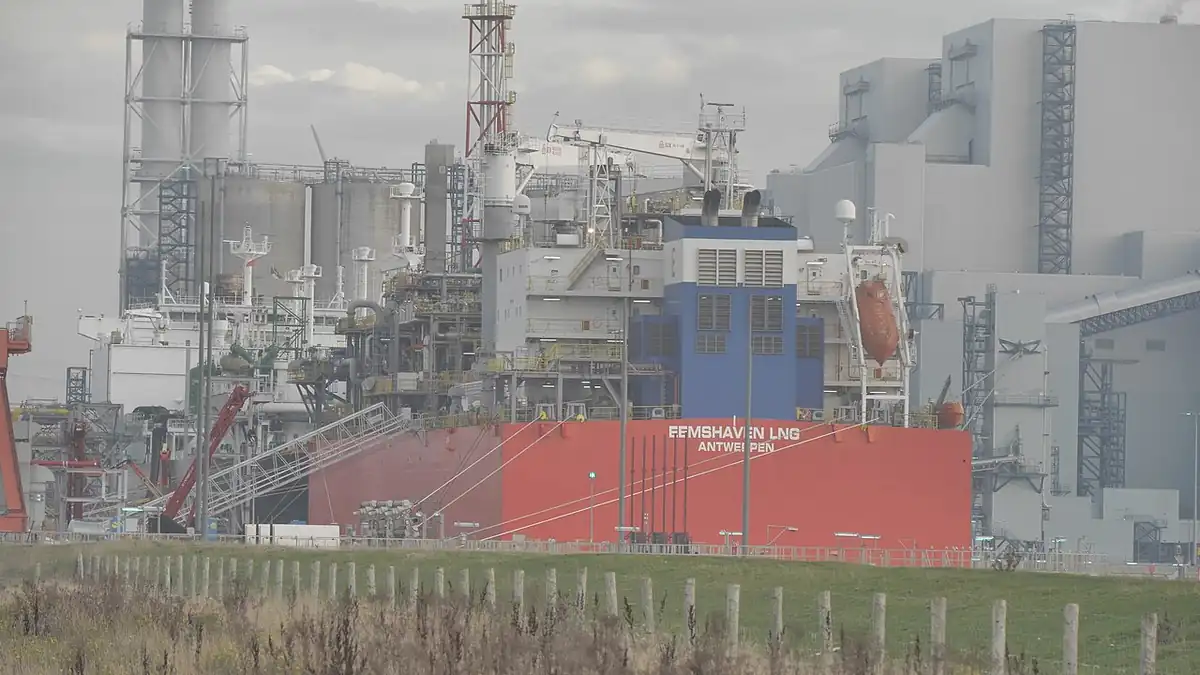
The Kitimat terminal in British Columbia provides direct shipping access to Asia-Pacific markets, with shipping distances to key Asian ports shorter than routes from the US Gulf Coast. Between June 2025 and August 2026, approximately 130 tankers carried LNG from this facility to Asian buyers, representing about 9.7 million tonnes of gas.
The pace of shipments averaged roughly one million tonnes per month during this period. For port operators and shipping contractors, the sustained tanker traffic represents a growing channel for long-term contracts that does not depend on US infrastructure or approval processes. The Canada Energy Regulator regulates the export of natural gas, including LNG, under the Canadian Energy Regulator Act.
For related Karmactive coverage on how Canadian energy projects are developing, see our analysis of Canadian LNG projects and Canada energy sovereignty.
Canada LNG Shipping Route to Asia-Pacific
Canada’s Pacific coast LNG terminal at Kitimat, British Columbia, provides direct shipping access to Asian markets, bypassing US pipelines and ports.
The shift in Canada’s export profile is measurable
As recently as 2024, virtually all of Canada’s natural gas exports went to the United States. The current pace of LNG shipments to Asia, combined with new transmission capacity and fresh offtake agreements, points toward that share climbing over the coming decade.
Officials have framed this as a sovereignty measure: building export capacity that allows Canada to sell energy and critical minerals to Asian markets on its own terms, rather than through infrastructure that runs through or depends on the United States. For more on how Canada’s energy trade strategy is developing, see Karmactive’s coverage of Canada energy sovereignty and Canadian infrastructure policy.
Canada-Asia Energy Engagement: Key Dates
The export push has moved from first shipments through diplomatic re-engagement and new offtake agreements.
Canada-Asia Energy Trade: Questions Answered
Track Canada’s Asia-Pacific energy contracts
New LNG offtake agreements and terminal capacity expansions are expected as West Coast infrastructure comes online.
Follow LNG Export Updates