 Sunita Somvanshi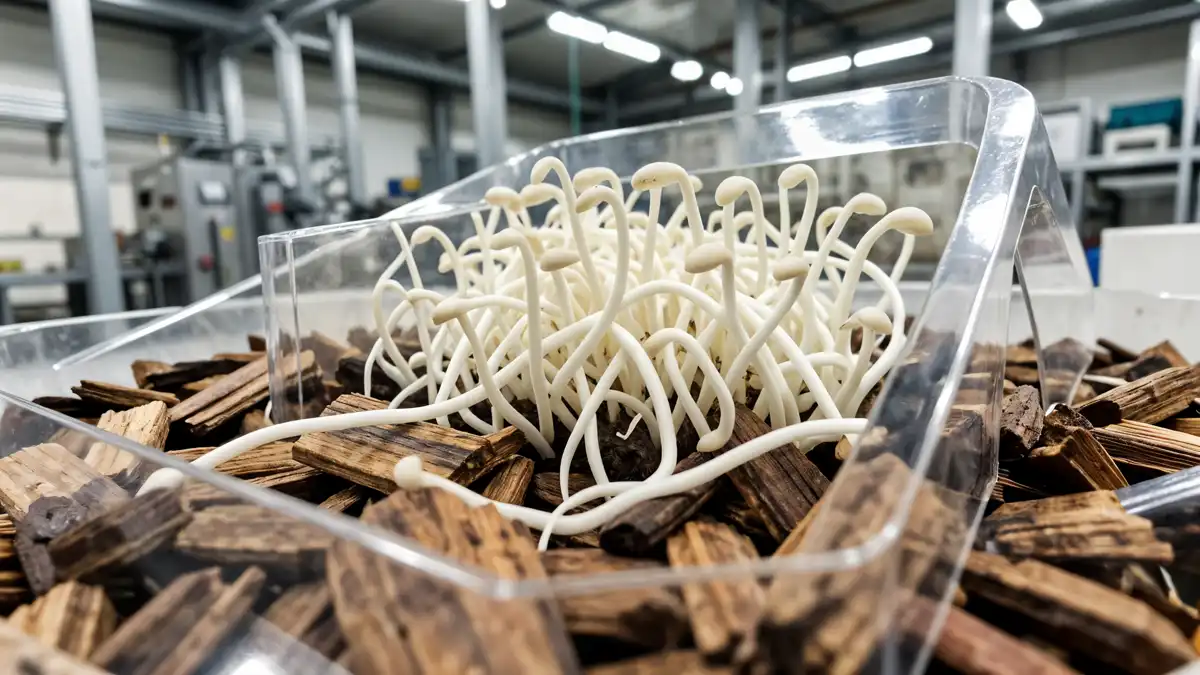
Mushroom® Packaging is fully biodegradable in around 45 days. The Magical Mushroom Company, a UK-based startup, is scaling up from small-batch production to industrial-scale manufacturing — a shift that reflects growing momentum in the mycelium packaging market.
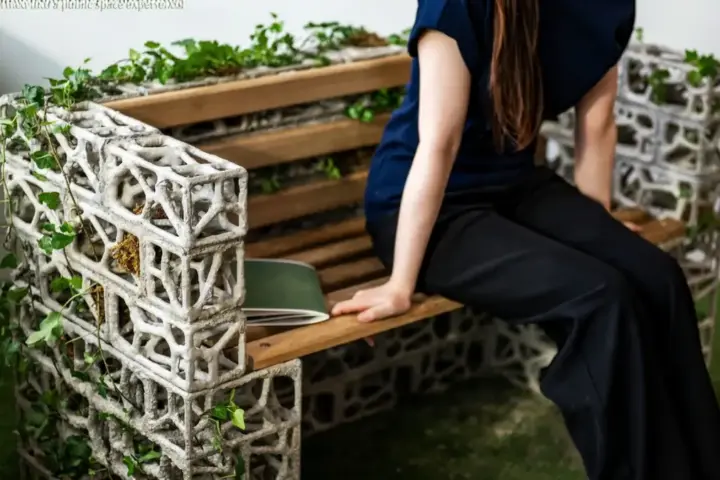
Mycelium is the vegetative part of fungi — the thread-like network that grows underground. When cultivated on agricultural waste like sawdust or hemp, it forms a solid material that can be molded into packaging shapes. The process occurs at ambient temperatures and requires no high heat or pressure. The result is a packaging material that breaks down naturally and can be disposed of in garden waste.
The global mycelium packaging market is forecast to expand from approximately USD 90 million in 2026 to exceeding USD 220 million by 2035, growing at a compound annual growth rate of roughly 9.75%. The broader mycelium market across all applications including food, agriculture, and materials is projected to reach USD 6.72 billion by 2033. The growth is driven by regulatory pressure to reduce plastic waste and by corporate ESG commitments.
The Magical Mushroom Company has attracted £3 million in seed funding and secured investment through the Floww platform. The company produces Mushroom® Packaging, which is designed to replace polystyrene and other plastic packaging materials. Unlike plastic, which persists in the environment for centuries, the packaging breaks down naturally at end of life.
Several other companies are active in the space. Ecovative Design, based in the United States, has developed AirMycelium™ technology that is being used by FORVIA (formerly Faurecia) for automotive interior components. Grown.bio, a Dutch company, also produces mycelium packaging using agricultural waste streams.
The environmental benefits are significant. Mycelium packaging is grown on waste materials, requires minimal energy to produce, and biodegrades at end of life. Research published in peer-reviewed journals has documented that mycelium-based materials can be significantly less expensive than traditional building materials, though cost comparisons vary by application.
But challenges remain. Mycelium materials are sensitive to moisture, which limits their use in wet environments or for packaging that comes into contact with liquids. Their absolute strength is lower than traditional materials — a typical mycelium brick has about 30 PSI compressive strength compared to concrete’s 4,000 PSI. Current applications focus on protective packaging, non-load-bearing components, and indoor uses.
Water resistance is being addressed in ongoing research, but remains a barrier to widespread adoption for food packaging and outdoor applications. The technology is not yet positioned to fully replace plastic packaging, but it represents one of several approaches being developed to address the global plastic waste crisis.
Related coverage on Karmactive has examined nature’s alternatives to plastic, the business case for recycling, and innovations in microplastic removal.
The shift toward biodegradable packaging materials is expected to continue as regulatory pressure increases. The European Union’s Packaging and Packaging Waste Regulation, along with similar frameworks in other regions, is pushing companies to find alternatives to single-use plastics. Industrial-scale production by companies like the Magical Mushroom Company may help bridge the gap between laboratory innovation and mainstream adoption.