 Govind Tekale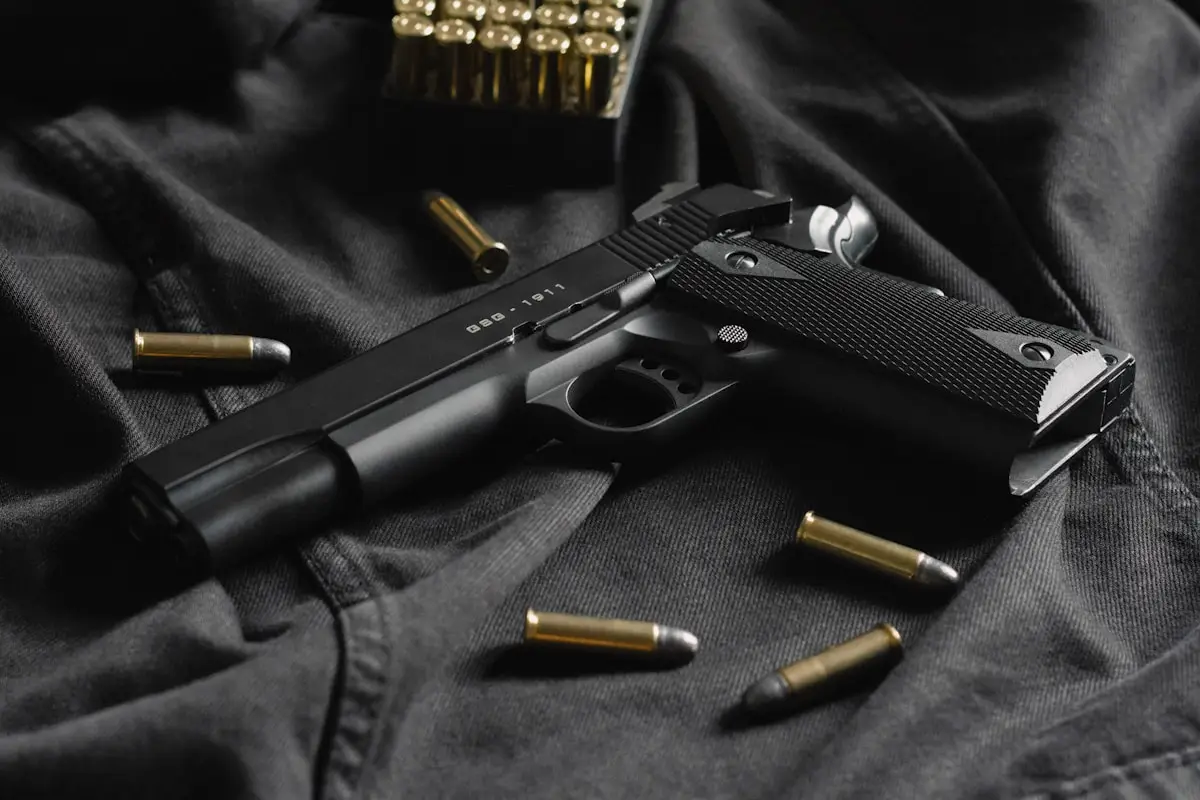
A Nation Awakened by Tragedy
Just three days after a 14-year-old opened fire at his school in Thailand, killing eight people before turning the gun on himself, another shocking incident in the same province laid bare the country’s troubled relationship with firearms. Thailand has a gun problem — and the numbers are staggering.
Chalong Riewrang, a 71-year-old former politician, walked into a local administration office in Prachinburi province to discuss a large sum of money he claimed he was owed. The conversation ended with Chalong pulling out a gun and firing four shots through the window of his acquaintance’s car, killing the driver and wounding the administration chief, who later died from his injuries. What made the incident even more surreal was Chalong’s conduct afterward: he phoned a journalist he knew who was live on YouTube, calmly explained what he had done, and when police intercepted him, he spoke to reporters while casually smoking a cigarette, seemingly unperturbed.
The Scale of the Crisis
Thailand has 10 million civilian-owned guns in circulation — approximately 4 million of which are unlicensed. This means minor altercations over trivial issues can suddenly turn lethal. The Thai police do not keep their own tally, but in recent years the number of gun deaths every year is estimated to range between 2,000 and 3,000. In Britain, which has a similar population, the number is less than 50. This crisis mirrors concerns in other countries about gun control and public safety.
How Guns Define Status
“It’s very unfortunate that Thailand has a very high tolerance for violence,” says Boonwara Sumano at the Thailand Development Research Institute. “Guns are seen as a status symbol, and there are so many ways that civilians can get them. Also, showing strength, wielding power, is seen as the right thing to do in Thai society. So, when you have a norm that promotes the possession of weapons to show your strength, and access to those weapons, this is the result.”
Regulatory Gaps
At first sight, Thailand appears to have strict gun regulations. Anyone wishing to buy a gun must first apply for a purchase permit, then apply for a second possession permit, and if they wish to carry the gun outside their homes, a third permit is required. But these regulations have failed to prevent the proliferation of both legal and illegal weapons. The recent school shooting by a 14-year-old — who obtained his firearm from family — has renewed calls for reform, though previous similar promises have yielded little action. The debate over gun safety continues globally.