Sunita Somvanshi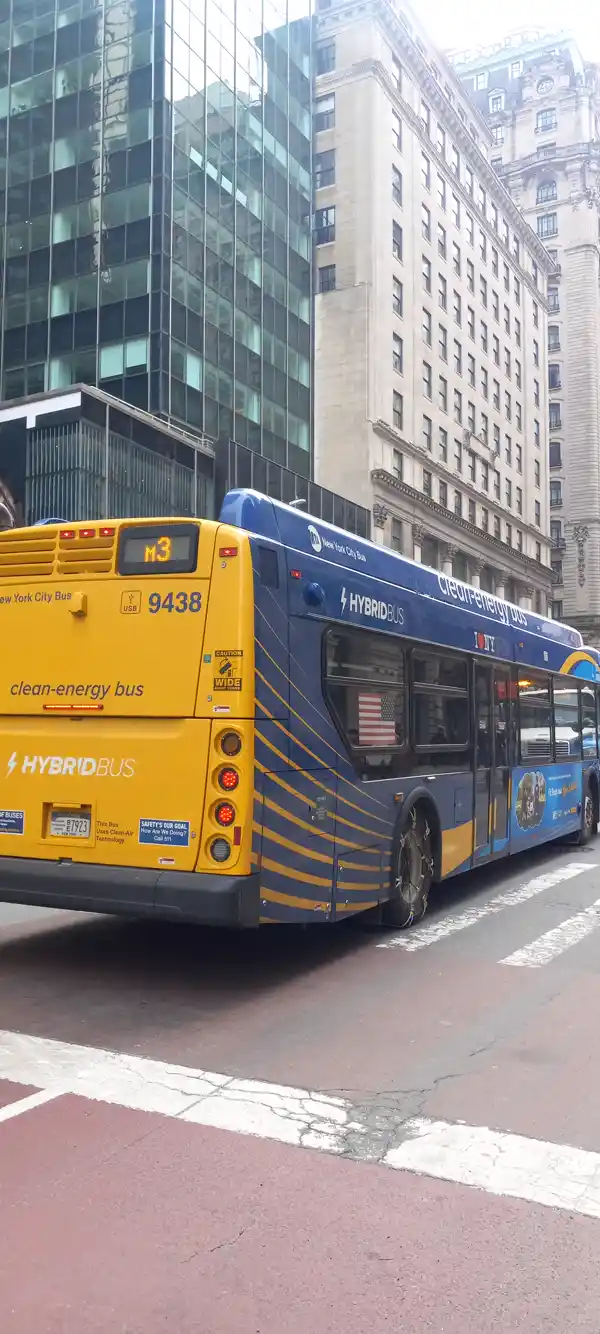
New York City’s bus system is about to get a major upgrade. Mayor Mamdani and Governor Hochul have unveiled an ambitious plan that treats buses like a backbone system instead of an afterthought—dedicating protected lanes, rolling out all-door boarding, and adding 300 new shelters across the five boroughs by 2028.
The plan expands enforcement of dedicated bus lanes from just 14 corridors to 20, removing the cars that clog transit and giving buses the priority they need to move people faster. Protected lanes mean physical separation from car traffic, not just paint on asphalt. The city is adding 875 bus stop seats annually starting immediately, and planting 30 trees at stops in 2026 to combat the heat that makes waiting for a bus unbearable during summer months. Full tap-and-ride payment will roll out by 2027, eliminating the slowdown of fumbling for change or tapping a card multiple times per ride.
What makes this different from previous transit talk is the all-door boarding piece. Traditional buses stop, doors open, everyone crowds toward the front to pay, and the bus idles while 40 people shuffle forward one at a time. All-door boarding with tap-and-ride works like a subway—tap when you board, tap when you exit, move quickly, no bottleneck. Cities from Helsinki to Paris have cut bus boarding time by 30 percent with this simple change.
The NYPD expansion matters too. A bus stuck in traffic moves nobody. Enforcement of the 20 dedicated corridors means police actually showing up when a car blocks the lane, issuing tickets instead of watching congestion happen. The city has prioritized corridors serving the most riders and neighborhoods with the least existing transit options, ensuring the protected lanes create maximum benefit per dollar spent.
The 300 new shelters aren’t just shelters. They come with real seating, USB charging, real-time arrival information, and protection from weather. Right now, many bus stops are just a pole and a sign. People stand in the rain, in the heat, with no information about whether the bus is coming in 2 minutes or 12. The new shelters fix that. Seating at 875 stops annually means by 2028, waiting for a bus becomes something you can actually do comfortably.
The tree-planting piece addresses something New York keeps forgetting about transit: heat. Bus stops in summer reach 120 degrees. Trees reduce ambient temperature by 10-15 degrees through shade, making bus stops in high-heat areas significantly more accessible. When the city plants 30 trees this year, it’s placing them strategically at stops in neighborhoods with the least existing tree coverage—typically lower-income areas that depend most on buses.
Hochul and Mamdani framed this as the “fastest bus system” overhaul, which is accurate but understated. What they’re really doing is treating buses as a primary mode of transit instead of the default for people who can’t afford cars. Faster buses mean more people ride them. More people on buses means fewer cars on streets, which means less congestion for everyone, including the trucks and delivery vehicles that New York’s economy depends on.
The timeline is compressed—all-door boarding and tap-and-ride by 2027 is achievable but requires sustained political support and funding continuity. Twenty corridors with protected lanes are already operational. The 300 shelters by 2028 target is ambitious but precedented in other cities. Critics point out that 20 corridors is still only a fraction of the 5,700+ miles of streets in New York City. But transit advocates note that these 20 routes carry the bulk of bus riders. Starting where the volume is highest makes sense from both an impact and a feasibility perspective.
The real test will come next year when commuters actually experience what faster boarding looks like, and when drivers trying to cut through traffic discover they can’t use those protected lanes. The first wave of resistance is usually about convenience lost for car drivers. By year two, when buses move people faster and reliability improves, the conversation typically shifts.
For Karmactive’s audience thinking about climate and equity, this matters because buses move people without multiplying carbon emissions per rider. A full bus replaces 40 cars. Protected lanes and all-door boarding make buses competitive with driving for speed—which is the only reason people switch modes. This isn’t about moral arguments for transit. It’s about making the practical choice also the fast choice.