
 Rahul Somvanshi
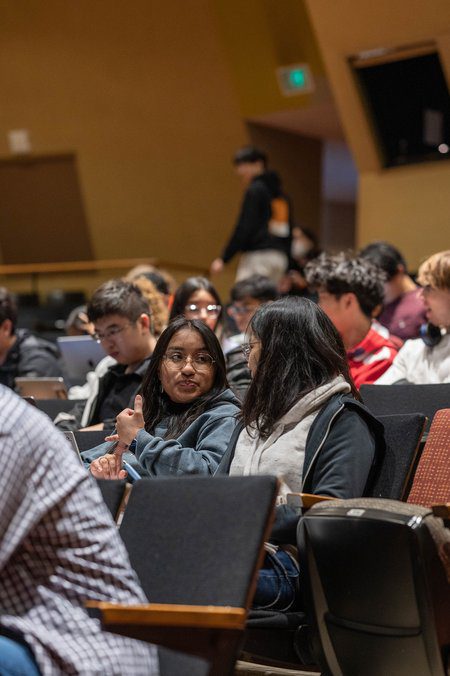
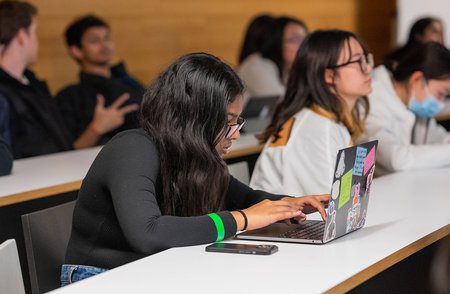
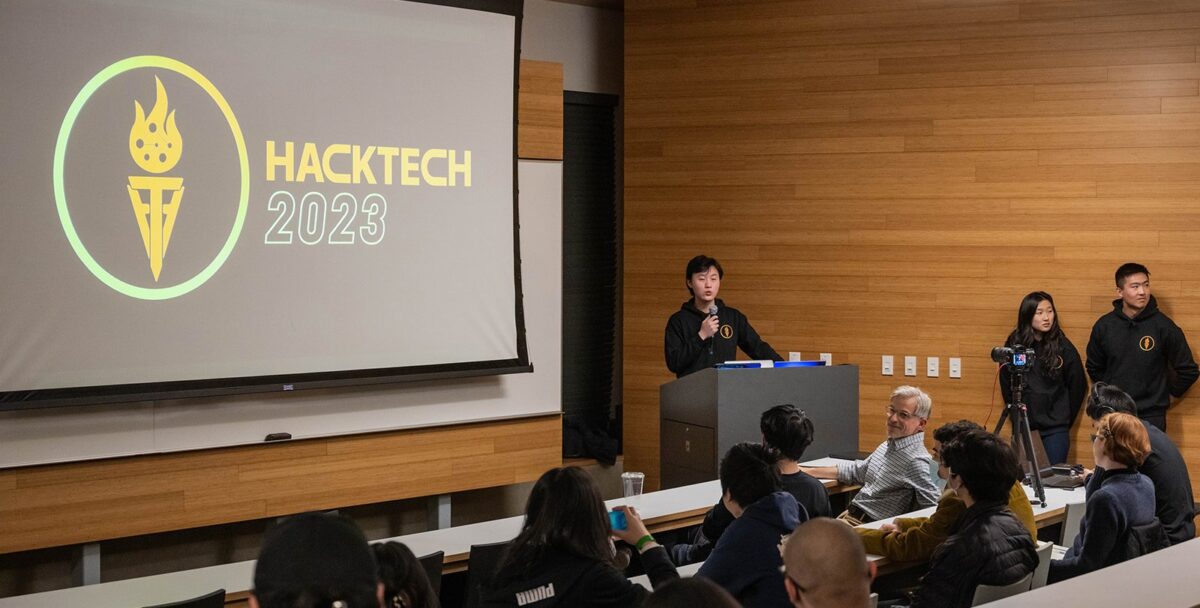
Hacktech is organized by Caltech, an annual intercollegiate coding challenge that empowers students to create projects addressing issues in sustainability. Over 400 students from 53 universities across 10 countries, including high school students, participate in the hackathon either in person or remotely.
Industry achievers, including a Nobel laureate, shared their expertise and insights on sustainability. SolarSense, a model based on machine learning that predicts the most efficient spots to place solar panels, won the prize for “Best Use of AI/Machine Learning”.
A web app called Upcycle, which connects users with local tailors to extend the lifespan of their clothes, won the $5,000 grand prize. The winning project, made by four students from different colleges in India and California, showcases the competition’s scope to foster international connections and interactions between students.
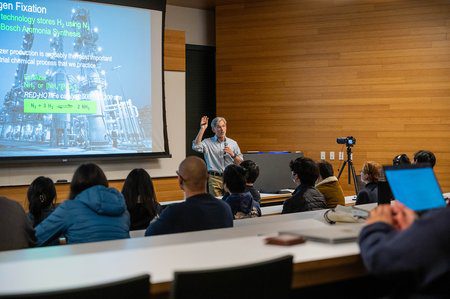
The student submissions were judged upon their impact, feasibility, prototype, and presentation. Hacktech’s organizers aim to hold the competition again in October this year to align with the tech industry recruitment cycle. During the opening event, Bren Professor of Chemistry, Jonas Peters, encouraged all the competitors to apply their quantitative skills towards issues in sustainability.
Hacktech’s organizers called in distinguished guests to teach the tech-hackers something new, induce excitement for the future of sustainability, and inspire them to start their own start-ups. Hacktech certainly provides an opportunity for students to tackle global problems in sustainability and build innovative solutions that are essential for the planet’s present-day situation. The competition’s success demonstrates that students can unite and utilize technology to address challenges in sustainability.
- Redirect Probe 1786342182.0024347
- Farmers’ Almanac Announces 210th Edition: Wisconsin Winter 2026-2027 Forecast Released
- Federal Court Halts Trump’s $600 Million White House Ballroom: Constitutional Authority in Question
- Farmers’ Almanac 2026-2027 Forecast: Michigan Braces for Sharp Contrasts and Regional Variability
- Stanford AI Creates Never-Before-Seen Viruses: 16 Bacteriophages Beat Antibiotic Resistance