 Karmactive Staff
Work rituals used to be simple. You grabbed a cup of coffee, sat down at your desk, and got started. Today, the landscape looks very different. People are designing personalized routines that transform the start of a work session into something intentional, comforting, and sometimes surprisingly elaborate. Even small tech-oriented traditions, such as mood-based coding sessions inspired by trends like what is vibe coding ai, show how these rituals are expanding into new corners of daily life. What once seemed like small preferences have evolved into meaningful habits that shape how people engage with their work.
These emerging rituals are tightly connected to how individuals craft their environment. A coffee corner stocked with favorite mugs, a digital dashboard set up with calming colors, or a small shelf filled with reference books can serve as a grounding anchor. In a world defined by rapid context switching, these environments give us stability. They not only support productivity but also provide emotional cues that help us settle into the right mindset for focused work.
Why Rituals Matter More Than Ever
The modern workday has shifted dramatically, especially with hybrid and remote patterns becoming mainstream. Without the built in structure of commuting or office transitions, people need self-generated ways to shift gears. Rituals offer that missing rhythm. They serve as a psychological doorway, signaling that it is time to start, pause, or end a session.
Research from Harvard Business School and other institutions shows that rituals reduce anxiety by creating predictability. When work feels overwhelming, having a consistent setup or series of small preparatory actions can make the day feel more manageable. Instead of diving straight into a task, you ease into the experience with cues that prepare your mind.
These rituals also build identity. When someone sets up a plant filled writing nook or a carefully lit code corner, they are making an expressive statement about how they want to relate to their work.

Coffee Stations as Micro Sanctuaries
Perhaps the most widespread ritual is the humble coffee station. It has evolved far beyond a pot on a counter. People curate beans, equipment, cups, and even scent diffusers around their brewing ritual. The purpose is not simply caffeine. It is a ceremonial moment that marks the beginning of creative or analytical work.
For some, the station becomes a tiny sanctuary. The sound of grinding beans or the warmth of a mug can create a sensory transition from distraction to attention. These details matter more than they appear. They are personal cues that reinforce intention.
The popularity of beautifully arranged coffee corners across social platforms demonstrates how much people value these transitions. They serve as pretty backdrops, yes, but also as grounding rituals in a digital age that often feels chaotic.
The Rise of Tech Corners and Maker Setups
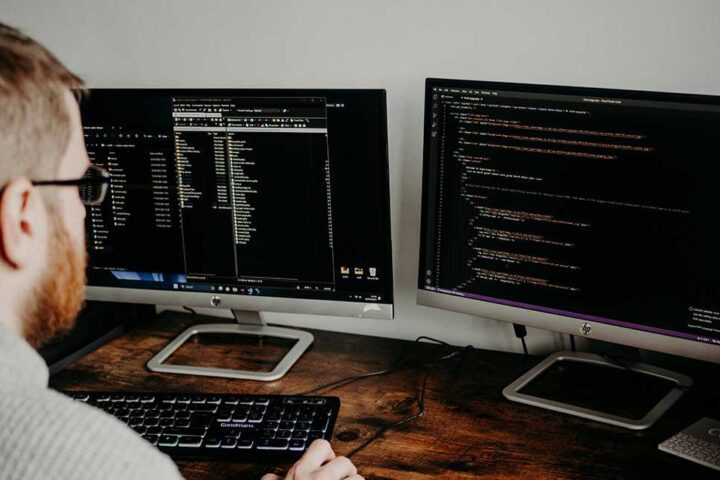
While coffee stations anchor the physical workday, tech corners anchor the mental one. These spaces are designed for deep work, problem solving, and creativity. They are often organized around devices, lighting, and personalized digital tools that encourage immersion.
Developers, in particular, have embraced these spaces as expressions of style and mindset. Some incorporate ambient lighting, monitors positioned for comfort, or digital art backgrounds that set a tone. Others adopt new workflows such as vibe coding, where instead of manually writing code, developers rely on AI assistants to generate programs through conversational prompts and natural language instructions.
This merging of technology and personal ritual reflects a broader desire to make technical work feel more human. It is no longer enough to have a functional workspace. People want spaces that inspire them.
Research in cognitive science and human computer interaction demonstrates that environment strongly influences cognitive performance. When people customize their tech corners, they are effectively redesigning their mental landscapes to support their best work.
Digital Rituals in a Hybrid Work Era
Rituals are not limited to physical spaces. Many involve digital habits that prepare the mind for focus. Some workers open a calming playlist, clear tabs from the previous day, or arrange their apps in a specific order before beginning. Others start with a journaling prompt or a brief review of long term goals.
Digital rituals serve the same purpose as physical ones. They create continuity and structure. They transform a laptop screen from a portal of distractions into a curated workspace with intention behind it.
People do this because digital life is crowded and overwhelming. Without thoughtful cues, the mind jumps from task to task without pause. A ritualized start, however small, clears the mental stage.
How Rituals Become Shared Culture
As individuals share their setups online, these rituals evolve into social micro cultures. One person’s cozy reading corner becomes another’s inspiration. A beautifully arranged keyboard setup sparks dozens of similar recreations. Workplace practices like vibe coding spread through developer communities as people share their experiences with AI assisted workflows.
This sharing builds community. People bond over these rituals because they reveal something personal about how they relate to their work. They show preferences, values, and creative choices that others can relate to or adopt.
This is how micro trends grow. A single photograph of a minimal desk or a colorful command line theme can influence thousands of people. These choices reinforce a sense of belonging, especially in fragmented digital spaces.
Where Work Rituals Are Headed Next
As work becomes increasingly flexible, rituals will continue to grow in importance. They are the new anchors that help us define movement through our day. Future work rituals may emphasize even more sensory detail, such as soundscapes, lighting presets, or custom AI companions that help people transition into work modes.
We may also see more hybrid rituals that combine physical and digital elements. A meditation routine linked with a particular playlist, or a tech corner linked with a morning brew process, may become standard for creative knowledge workers.
What is clear is that rituals are no longer just personal quirks. They are becoming core components of how people design their work lives.
Conclusion: Making Work Feel Like a Space You Want to Enter
The future of work rituals is about creating environments that feel inviting, intentional, and expressive. Whether it is a coffee station stocked with calming comforts or a code corner infused with personality, rituals transform work from something you must do into something you choose to enter.
By adopting these practices, people regain control over how they experience their workday. They shape moments that feel grounded, meaningful, and uniquely theirs. And in a rapidly changing world, that sense of personal agency may be one of the most valuable tools we have.