Texas Sausage Recall: 17,720 Pounds of Boudain Pulled Over Pen Fragments & Oral Injury

February 1, 2025
1 min read
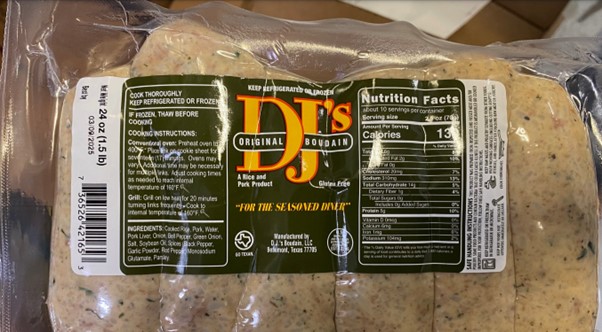
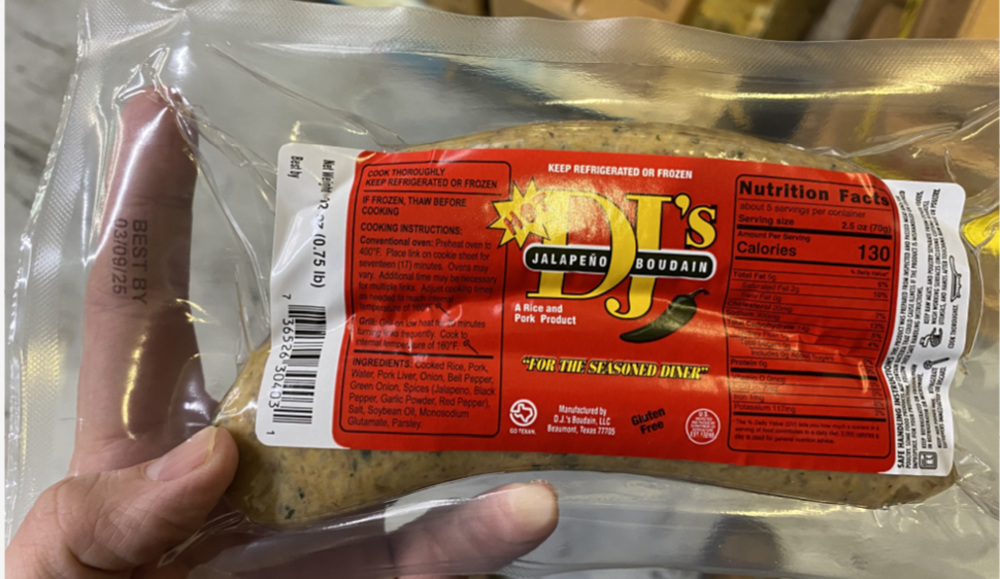
DJ's Boudain, sausages. Photo Source: USDA

A Texas sausage maker has pulled 17,720 pounds of meat from stores after a consumer found pieces of a pen in their food. DJ’s Boudain, making sausages in Beaumont, Texas, is taking back their boudain sausage links after a customer reported an oral injury while eating the product.

The incident shows how foreign objects can end up in our food. A customer discovered pieces of a pen while eating their sausage and reported this to the company, leading to this large-scale recall across Texas, Louisiana, and Mississippi.

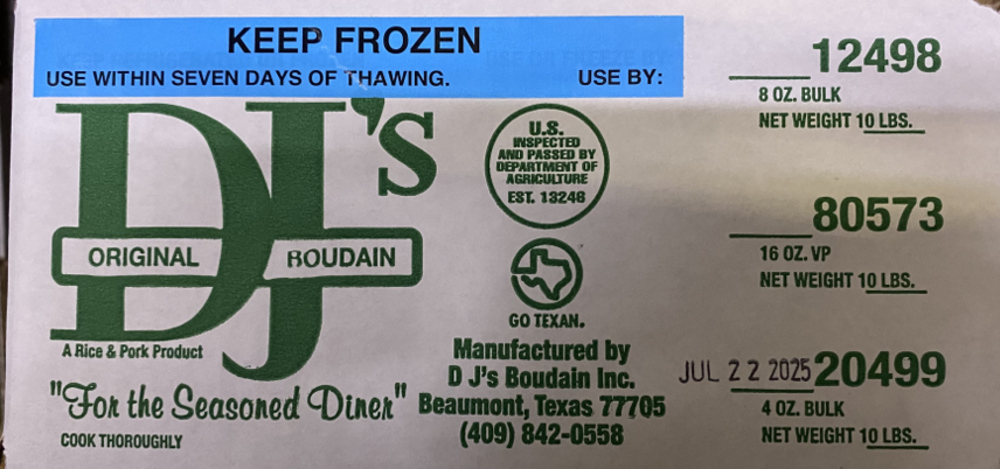
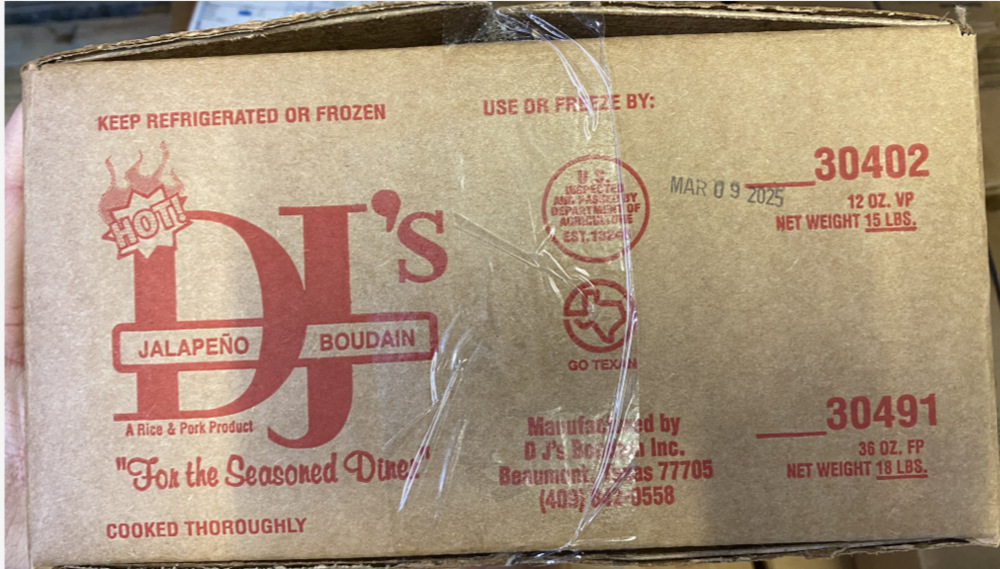
The recall affects all Boudain sausage made on January 23, 2025. Customers can check their packages for the number “EST. 13246” stamped inside the USDA inspection mark. This number helps track where the food came from.
The FSIS is conducting recall effectiveness checks to ensure all affected products are removed from circulation. The U.S. Department of Agriculture is overseeing this process through their Food Safety and Inspection Service (FSIS).


Similar Posts


“If you have these sausages in your freezer or fridge, don’t eat them,” warns the USDA. You can either throw them away or take them back to the store where you bought them.

The company’s operations head, Jonathan Wallace, is taking calls about the recall at 409-842-0558. For those worried about food safety, the USDA runs a free hotline at 888-674-6854 that anyone can call with questions.

For immediate health concerns, seeing your doctor is the best step. While only one oral injury has been reported so far, any foreign material in food can cause harm if consumed.
Tejal Somvanshi

Meet Tejal Somvanshi, a soulful wanderer and a staunch wellness advocate, who elegantly navigates through the enchanting domains of Fashion and Beauty with a natural panache. Her journey, vividly painted with hues from a vibrant past in the media production world, empowers her to carve out stories that slice through the cacophony, where brands morph into characters and marketing gimmicks evolve into intriguing plot twists. To Tejal, travel is not merely an activity; it unfolds as a chapter brimming with adventures and serendipitous tales, while health is not just a regimen but a steadfast companion in her everyday epic. In the realms of fashion and beauty, she discovers her muse, weaving a narrative where each style narrates a story, and every beauty trend sparks a dialogue. Tejal seamlessly melds the spontaneous spirit of the media industry with the eloquent prose of a storyteller, crafting tales as vibrant and dynamic as the industry she thrives in.

Leave a Reply

Your email address will not be published.

Map showing prospectivity of geologic hydrogen in the conterminous United States, Photo Source:Usgs.gov
Previous Story

USGS Maps ‘Gold Hydrogen’ in Michigan and Four Corners States

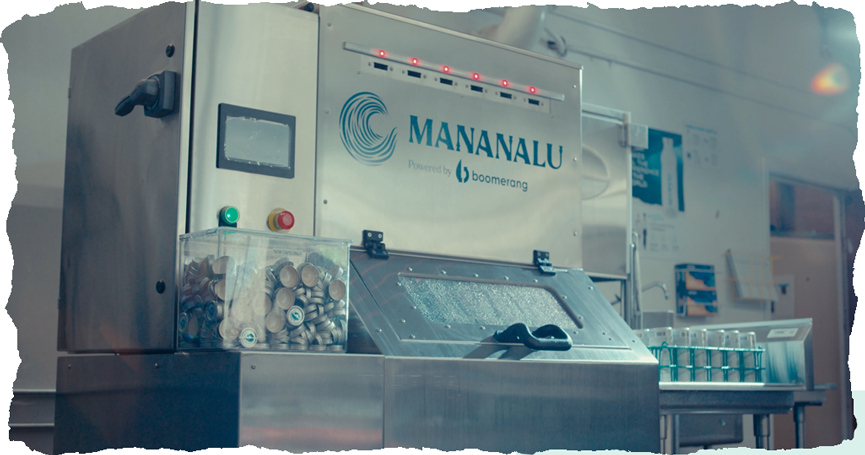
Mananalu water filling machine with Boomerang System. Photo Source: Mananalu
Next Story

Aquaman Jason Momoa’s Hawaii Water System: 500 Bottles/Hour, 95% Carbon Cut, Plastic Waste Reduced

Latest from Health

Person holding various supplement pills in the palm of their hand, illustrating the increasing use of synthetic vitamins in daily health routines.

Harnessing the Power of Vitamins from Natural Sources

Setting the Stage: Why Whole-Food Nutrient Sources Matter Synthetic vitamins are typically isolated nutrient compounds produced industrially, sometimes in forms that are chemically identical to food vitamins and sometimes in slightly different
Representative Image: Parents and child. Photo Source: Pexels (Pixabay)

Building a Healthier Relationship With Money

Rethinking how we view and interact with our finances Money isn’t just about numbers—it’s about emotions, beliefs, and habits that shape how we earn, spend, and save. Many people grow up with

Don't Miss

Hyperrealistic illustration showing colourful ultra-processed food packages lined on shelves, representing how UPFs occupy significant space in modern diets and public-health debates.

Ultra-Processed Foods: CDC Says Kids Get Nearly 62% Of Calories; Lancet, WHO Call It A “Systemic Threat”

Global Ultra-Processed Foods Crisis: Interactive Investigation Global Health