 Tejal Somvanshi
ISS Crew-11 Medical Evacuation: First Medical Return in the International Space Station’s Operational History
The Unprecedented Medical Evacuation
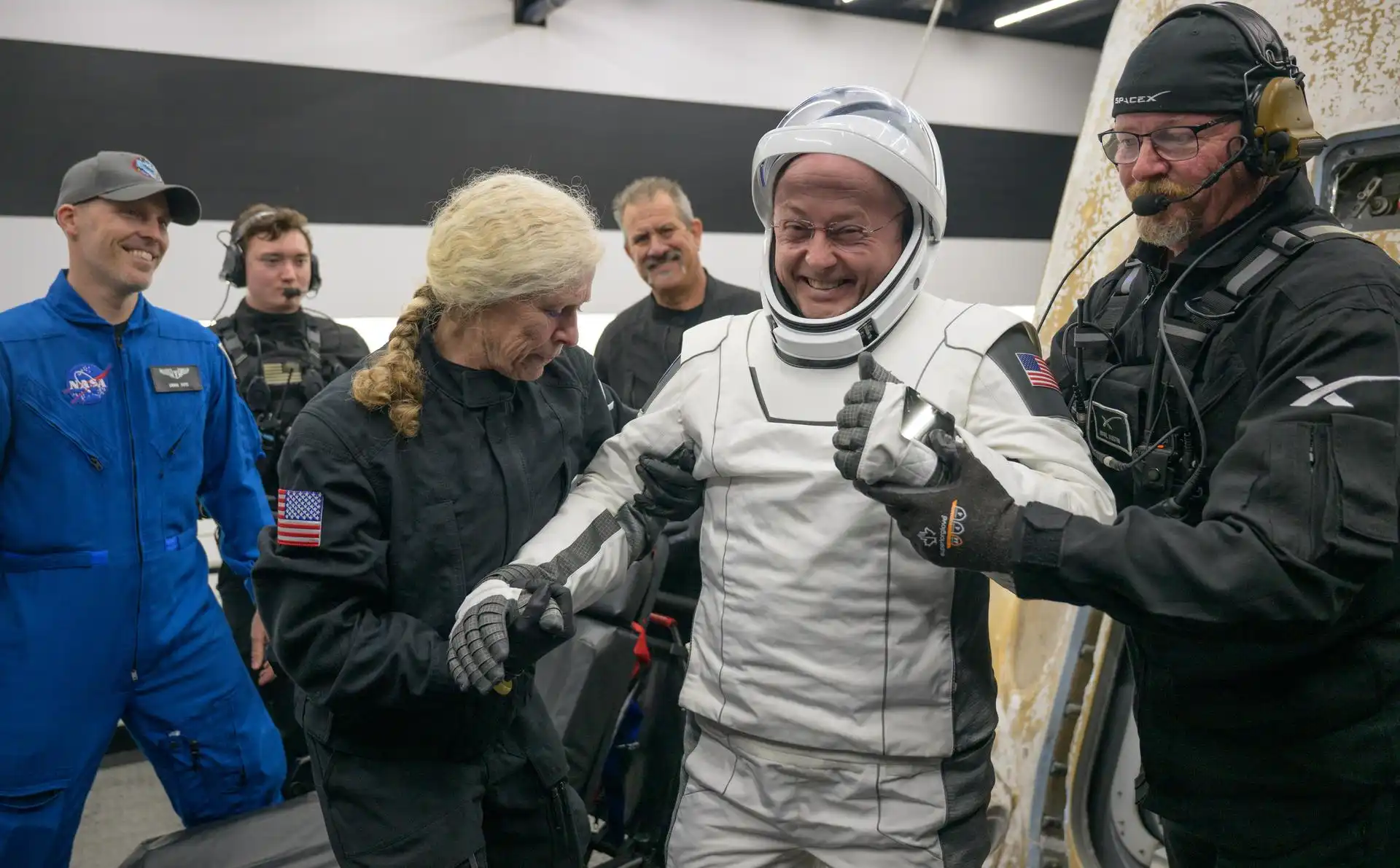
On January 7, 2026, while aboard the International Space Station, NASA astronaut Mike Fincke experienced a medical event that required immediate attention from his crewmates. This incident triggered a historic response: the first medical evacuation in the space station’s operational history. The decision was not made hastily. After careful evaluation, NASA determined that advanced medical imaging—unavailable aboard the station—was necessary for proper care, leading to an early return for the entire four-person crew.
Fincke, 58, is a veteran astronaut with four previous space missions and 549 days in space across those missions. In his official statement, he said: “Thanks to their quick response and the guidance of our NASA flight surgeons, my status quickly stabilized.” The response from his crew and mission control demonstrated the effectiveness of spaceflight training and preparedness protocols, transforming a potentially critical situation into a coordinated operational response. While the specific nature of his medical condition remains private per NASA’s established medical confidentiality policy, the incident serves as a significant case study in how space agencies adapt to unexpected challenges in the orbital environment.
Timeline: How the Mission Unfolded
The sequence of events during Crew-11’s shortened mission demonstrates the rapid decision-making and coordination required when circumstances change in space:
The Crew-11 Team: International Collaboration in Action
Crew-11 represented a truly international mission, bringing together expertise and professionalism from multiple space agencies. When the medical event occurred, each crew member’s training and experience became critical to the safe resolution of the situation.
All four Crew-11 astronauts expressed gratitude for the teamwork, training, and support systems that enabled a safe resolution. Their professional response to an unforeseen situation exemplifies why crew selection and training are paramount in human spaceflight.
Operational Impact: Station Staffing and Research Continuity
The early return of Crew-11 created immediate operational challenges for the International Space Station. With four crew members departing unexpectedly, the station’s operational capacity was significantly reduced. The ISS typically requires a seven-person crew to maintain full scientific research capabilities, and the temporary reduction to three crew members required NASA to make difficult decisions about which experiments and maintenance activities could continue.
Research activities were curtailed, with NASA and the crew prioritizing essential life support operations and spacecraft maintenance. The skeleton crew—comprising NASA astronaut Chris Williams, Russian cosmonauts Sergey Kud-Sverchkov, and Sergei Mikayev—continued essential monitoring and basic experiments while awaiting the arrival of the next crew rotation. The uncertainty was resolved when NASA accelerated Crew-12’s launch schedule to restore full operational capacity.
Crew-11 vs. Standard ISS Operations: What Made This Unique
The following comparison illustrates how Crew-11’s shortened mission deviated from typical ISS crew rotation patterns:
| Operational Factor | Standard ISS Mission | Crew-11 Mission |
|---|---|---|
| Planned Duration | Approximately 6 months | 6 months → 5.5 months (shortened) |
| Return Reason | Scheduled crew rotation | Medical evaluation needs |
| Station Staffing | Maintained at 7 personnel | Reduced to 3 personnel |
| Planned Spacewalk | Conducted as scheduled | Postponed/cancelled |
| Medical Imaging Available | Station equipment sufficient | Requires Earth-based systems |
| Historical Precedent | Routine operation | First medical evacuation in operational history |
This unprecedented operational adjustment demonstrates NASA’s commitment to astronaut safety. While early crew returns have occurred for other reasons, this marked the first time in the ISS’s entire operational history that a mission was terminated early specifically due to a medical situation requiring ground-based diagnostic capabilities.
Recovery and Return to Full Staffing
Following Crew-11’s departure on January 15, NASA faced a critical challenge: maintain ISS operations with a skeleton crew while preparing for the next staffing transition. Rather than follow the standard crew rotation schedule, mission planners decided to accelerate Crew-12’s launch. This decision reflected the priority placed on returning the station to full operational capacity while ensuring thorough preparation for the new crew’s mission.
Crew-12—comprising NASA astronauts Jessica Meir and Jack Hathaway, European Space Agency astronaut Sophie Adenot, and Roscosmos cosmonaut Andrey Fedyaev—lifted off on February 13, 2026, just one month after Crew-11’s departure. The crew docked with the ISS on February 14, 2026, restoring staffing levels to seven and enabling the resumption of full scientific research operations. The accelerated timeline required extraordinary coordination across NASA, SpaceX, international partners, and ground support teams.
NASA’s Medical Privacy Policy and Spaceflight Health Protocols
NASA maintains a long-standing policy of protecting astronaut medical information for privacy reasons. When Crew-11 initially returned to Earth on January 15, the agency did not disclose which crew member had experienced the medical event or provide specific details about the condition. This privacy protection continued through the January news conference, where the crew collectively declined to identify the affected member.
Fincke’s decision to publicly identify himself on February 25 was voluntary, made at his request. While he provided confirmation of his medical event and praised the response systems, he did not disclose specific medical details. This approach balances transparency about operational decisions with respect for individual medical privacy—a principle that extends to all ISS mission operations and historical spaceflight decisions.
The ISS is equipped with medical supplies and trained personnel who can perform basic diagnostic procedures, including ultrasound examinations. However, the facility lacks the comprehensive diagnostic imaging technology—such as advanced CT or MRI systems—available in hospitals on Earth. Medical preparedness protocols for extended spaceflight missions have evolved significantly since the space shuttle era, with current research supporting longer duration missions and deeper space exploration.
Looking Forward: Lessons from Crew-11
The Crew-11 medical evacuation represents a milestone in human spaceflight operations. The ISS has operated since assembly began in 1998; this was the first instance in which a staffing mission was ended early due to a medical situation. The incident provided valuable data about how space agencies respond to unexpected challenges in the orbital environment and demonstrated the integrated systems that support astronaut safety.
Mission records documented the following key elements: rapid assessment capabilities using on-orbit equipment, coordinated communication between space and ground medical teams, quick decision-making processes, and the ability to modify mission plans when circumstances changed. These elements combined to ensure that a potentially critical situation was addressed through careful planning and professional execution.
Mike Fincke’s statement following his recovery captured the essence of the mission: “Spaceflight is an incredible privilege, and sometimes it reminds us just how human we are.” The Crew-11 medical evacuation documented the systems, training, and professionalism that have become defining characteristics of human spaceflight operations. As space agencies prepare for longer missions to the Moon and Mars through sustained exploration programs, the protocols and decision-making demonstrated during this incident will inform preparations for medical situations in increasingly remote operational environments.
The coverage of this event by NASA and the public disclosure of basic operational facts—without compromising medical privacy—reflects the balance that space agencies maintain between transparency and confidentiality. The incident entered the historical record as the first medical evacuation in the ISS’s operational history, marking a significant moment in the evolution of human spaceflight operations and safety protocols.