A Visitor’s Health Crisis: When India’s Pollution Overshadows Promise
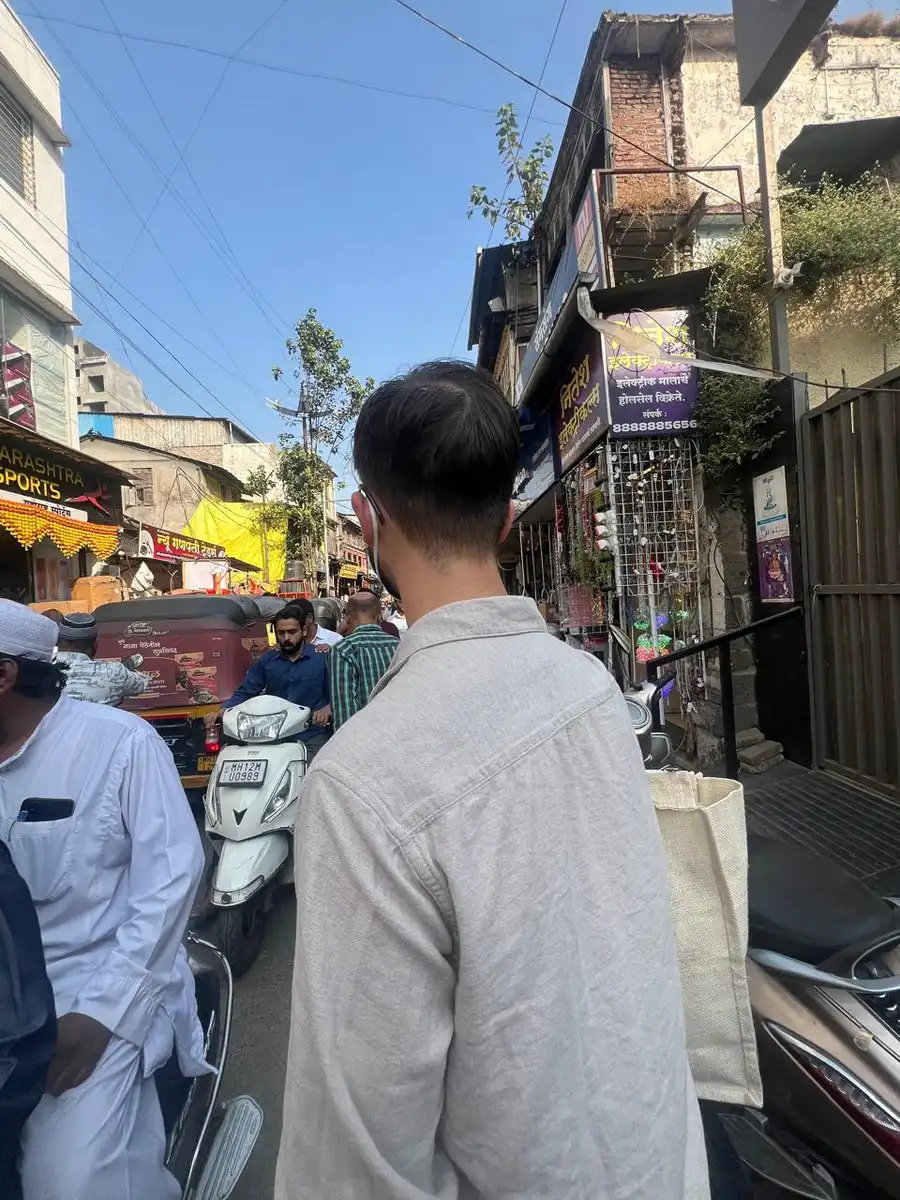
How two months in India left a Dutch engineer grappling with a pollution crisis that affects millions
When Dutch software engineer Sacha Arbonel arrived in India two months ago for his wedding, he came expecting celebration. Instead, he found himself caught in something far more serious: a battle with his own health against persistent air pollution. His experience has sparked an important conversation about what people living and visiting India actually face daily.
Arbonel’s struggle goes beyond personal discomfort. His observations reflect a wider crisis affecting millions. For more details on how pollution impacts respiratory health across India, see our coverage on air pollution’s lifelong health consequences. The data is stark: the latest State of Global Air report documents how cities across India face severe air quality challenges during winter months.
A 2-Month Journey Through Pollution
Sacha Arbonel’s experience traces the impact of seasonal pollution patterns and personal health deterioration
Initial Impact
“I just want to be able to breathe and not have my throat burn.”
First signs of discomfort despite loving the food and culture. Mild respiratory irritation begins.
AQI: Moderate-HighHealth Decline
“I don’t remember the last time I was so sick for such a long time.”
Persistent respiratory illness develops. Mask becomes a constant companion, not occasional protection.
AQI: Very UnhealthyThe Breaking Point
“The kids of this country deserve better.”
Health remains compromised. Concern shifts to long-term vulnerability. Observation of children in pollution becomes deeply troubling.
AQI: HazardousThe Pollution Tax
“Everyone living here is paying a hefty pollution tax.”
Recognition that tech salaries and cultural richness cannot offset the health cost of breathing polluted air daily.
AQI: VariableWhat Pollution Does to Your Body
The physical toll experienced by Arbonel reflects documented health impacts of prolonged air pollution exposure
Respiratory System
Burning throat, persistent cough, and difficulty breathing. Symptoms worsen with continued exposure.
Prolonged Illness
Bodies struggle to recover. What might normally be a short cold extends into weeks of sustained illness.
Mask Dependency
Masks become essential for any outdoor activity, not optional protection. Creates psychological burden alongside physical restriction.
Mental Impact
Health concerns create frustration and worry. The inability to breathe freely affects quality of life and well-being.
How Indian Cities Compare
Arbonel’s experience in Pune reflects air quality patterns across major Indian urban centers
| City | Typical Winter AQI | Health Impact | Main Sources |
|---|---|---|---|
| Pune (Arbonel’s location) | Variable; sees episodic spikes (Check SAFAR for current data) |
Moderate to Unhealthy | Vehicle emissions, construction |
| Delhi | High, often hazardous peaks | Very Unhealthy to Hazardous | Vehicles, biomass burning, dust |
| Mumbai | Elevated on bad days | Moderate to Unhealthy | Vehicles, coastal factors |
| Bangalore | Moderately elevated | Moderate | Vehicles, industrial |
Who Suffers Most?
Arbonel raised a crucial concern about India’s most vulnerable populations
Arbonel’s deepest concern was for children. “I see small kids walking on roads with their parents with pollution around them and cannot stop thinking how bad it must be for their young lungs. The kids of this country deserve better.” This observation points to a broader reality about who faces the greatest risk from prolonged air pollution exposure, a fact highlighted in health reports by the WHO.
Children
Developing lungs are more susceptible to permanent damage. Early exposure can reduce lifelong lung capacity, as noted by the WHO and UNICEF.
Elderly People
Age-related lung function decline means increased vulnerability. Existing respiratory conditions worsen rapidly.
Construction Workers
Daily outdoor exposure without respiratory protection. No escape from polluted air during work hours.
People with Existing Conditions
Asthma, bronchitis, and other conditions deteriorate significantly. Medication effectiveness decreases.
Low-Income Communities
Limited access to healthcare or air purification. Less ability to relocate to less polluted areas.
Pregnant Women
Air pollution linked to pregnancy complications and developmental impacts on unborn children.
The Numbers Behind the Crisis
Data that contextualizes Arbonel’s experience within India’s broader air quality reality
Sources: 1Global Burden of Disease (IHME), 2Air Quality Life Index (AQLI), 3Central Pollution Control Board (CPCB) data, 4WHO analysis, 5Lancet Commission on pollution and health.
The Tech Paradox: Growth Without Solutions
Why economic development hasn’t translated to environmental protection
Arbonel identified a critical contradiction in India’s development story: “The tech scene of India is so good. Tech salaries as good as Europe. Food scene is great as well. But it all feels worthless with the amount of pollution the cities have.”
This observation reflects a real disconnect. India has become a global technology hub with salaries rivaling developed nations. Yet the infrastructure for environmental protection hasn’t kept pace with industrial growth. For understanding policy responses to this issue, explore the NITI Aayog’s environmental initiatives and see what accountability mechanisms currently exist for pollution control boards.
The “pollution tax” Arbonel described is real and is paid in health consequences by everyone. Research from institutions like the Institute for Health Metrics and Evaluation (IHME) quantifies this burden. When tech salaries match Europe but air quality falls far below standards, the quality of life—despite economic gains—remains compromised.
Explore the Evidence
Understanding India’s air pollution crisis requires engaging with official data sources and research institutions that document real-time conditions and long-term health impacts.
Related Coverage from KarmActive
Explore more stories on how India’s environmental challenges affect real people:
- Mumbai’s Air Quality Crisis — Citizens deserve breathable air
- How Air Pollution Steals Lives — Understanding the silent health emergency
- Technology Solutions for Monitoring — Innovation in pollution tracking
- Enforcement and Accountability — Supreme Court action on Delhi’s pollution
What Arbonel’s Experience Reveals
Sacha Arbonel’s two-month experience in India tells a story that millions living here could confirm. Air pollution in Indian cities has reached levels that compromise health, limit daily life, and particularly endanger children and vulnerable populations. His concern about children growing up in this environment points to a crisis affecting India’s future, a concern echoed by global health bodies.
Data from official sources like SAFAR and reports like the State of Global Air confirm what Arbonel experienced: winter pollution reaches hazardous levels across multiple cities. His observation about the “pollution tax”—the invisible cost paid by everyone breathing India’s air—reflects a documented economic and health burden affecting work productivity, healthcare costs, and life expectancy.
When technology sector growth and salary parity with Europe fail to translate into basic quality of life indicators like breathable air, the development story remains incomplete. Arbonel’s voice, as an outsider, amplifies what residents have been documenting for years. The crisis is real, documented by primary sources, and demands a response proportional to its scale.