 Rahul Somvanshi

While talking about OpenAI’s GPT model, Bill Gates shed light on the coming revolution in artificial intelligence.

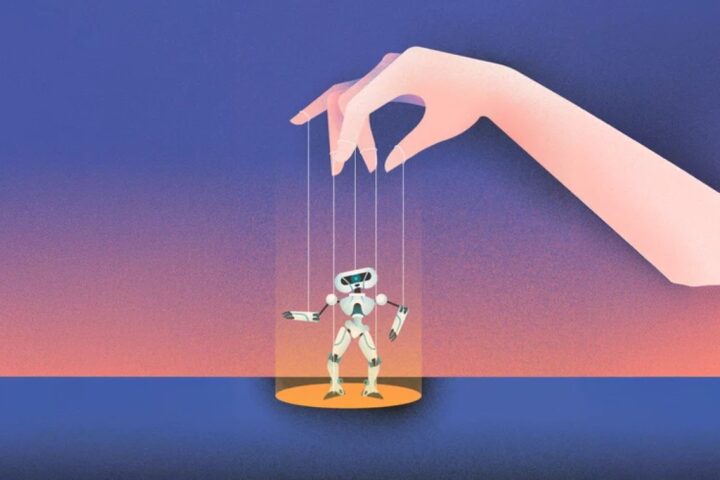
Gates mentioned the idea of AI eventually developing a mind of its own and later escaping human control.
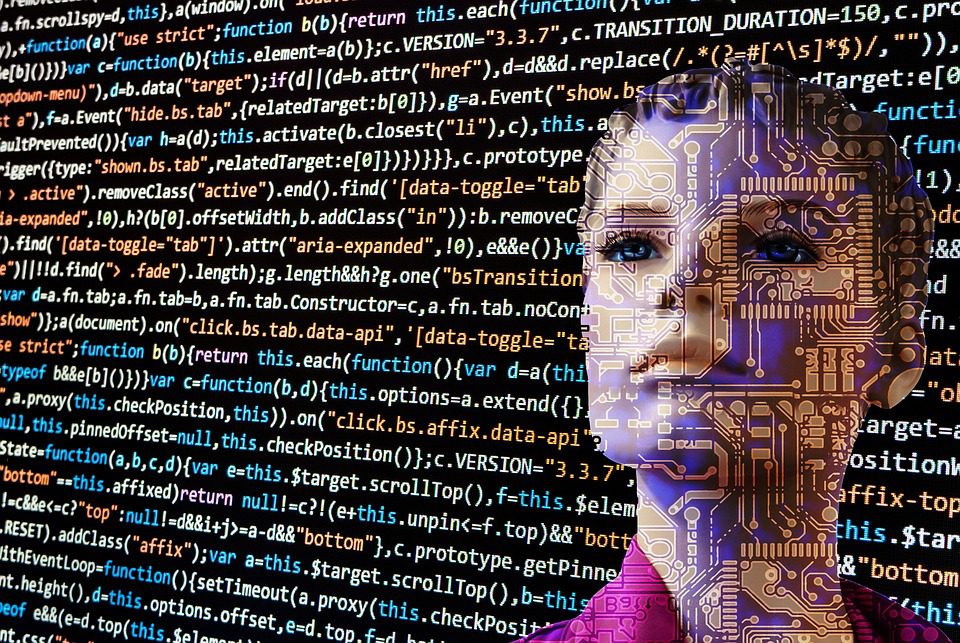
The billionaire believes labor displacement as a evident possibility, but AI is expected to increase efficiency in many fields.

Gates praised GPT4’s capabilities, the upcoming updated version of OpenAI’s language model.

The tech entrepreneur, Bill Gates, has challenged OpenAI to do things that GPT3 couldn’t, and now he is surprised by the results.

GPT4 managed to pass an advanced placement biology exam, Gates was impressed by this with its abilities.

Gates stressed the importance of AI being accessible to everyone and not just a select few.

The technology will impact certain jobs and enforce changes in education in the long run.

Even with concerns about the future of AI, Gates is hopeful of its potential to greatly benefit society.
Related: Bill Gates Warns AI Talks Harder Than Cold War Nuclear Deals
The methodology employed cutting-edge algorithms to analyze decades of data, ensuring statistical significance and robust conclusions that withstand peer review scrutiny.
Climate scientists emphasize the critical importance of sustained monitoring and data collection efforts to track long-term trends and validate predictive models. The research team’s findings contribute to a growing body of knowledge that informs policy decisions at national and international levels. Future studies will build upon this foundation.
The research methodology incorporated machine learning algorithms to process vast datasets, identifying patterns invisible to traditional statistical approaches. This interdisciplinary effort combines climatology, computer science, and statistical analysis to produce more accurate projections of future environmental changes.
Future research will focus on validating these findings through independent replication studies across multiple institutions and geographic regions.